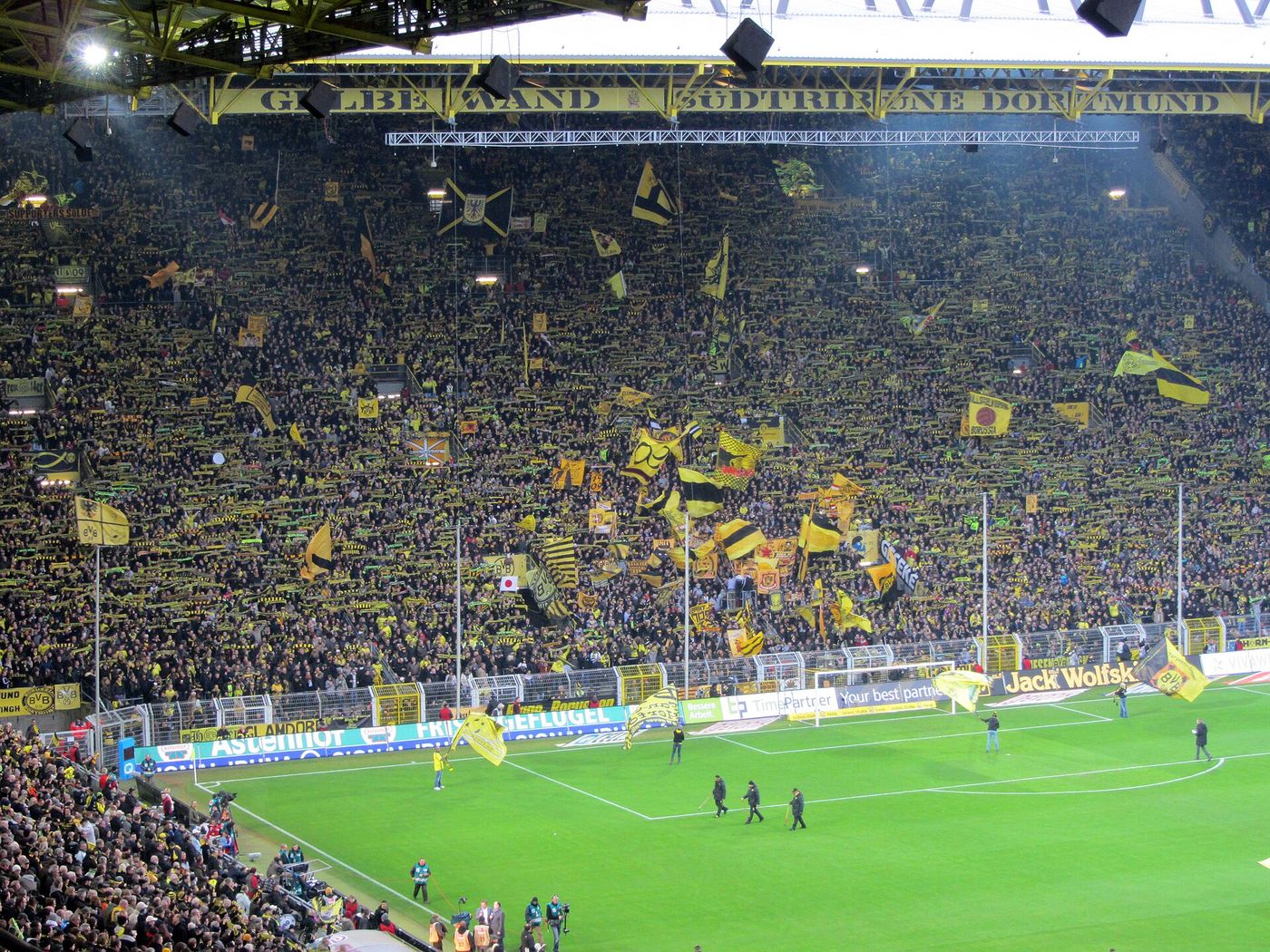
The Yellow Wall and the Strange Economics of Standing Room
Europe's largest terrace holds 25,000 people who pay less than anyone else in the stadium. The club says that is exactly the point.
87 articles
Europe's largest terrace holds 25,000 people who pay less than anyone else in the stadium. The club says that is exactly the point.
A gene that lets bacteria defeat last-resort antibiotics turned up in the wastewater of 31 cities, up from 12 in 2019, with the sharpest rises in the south and east.
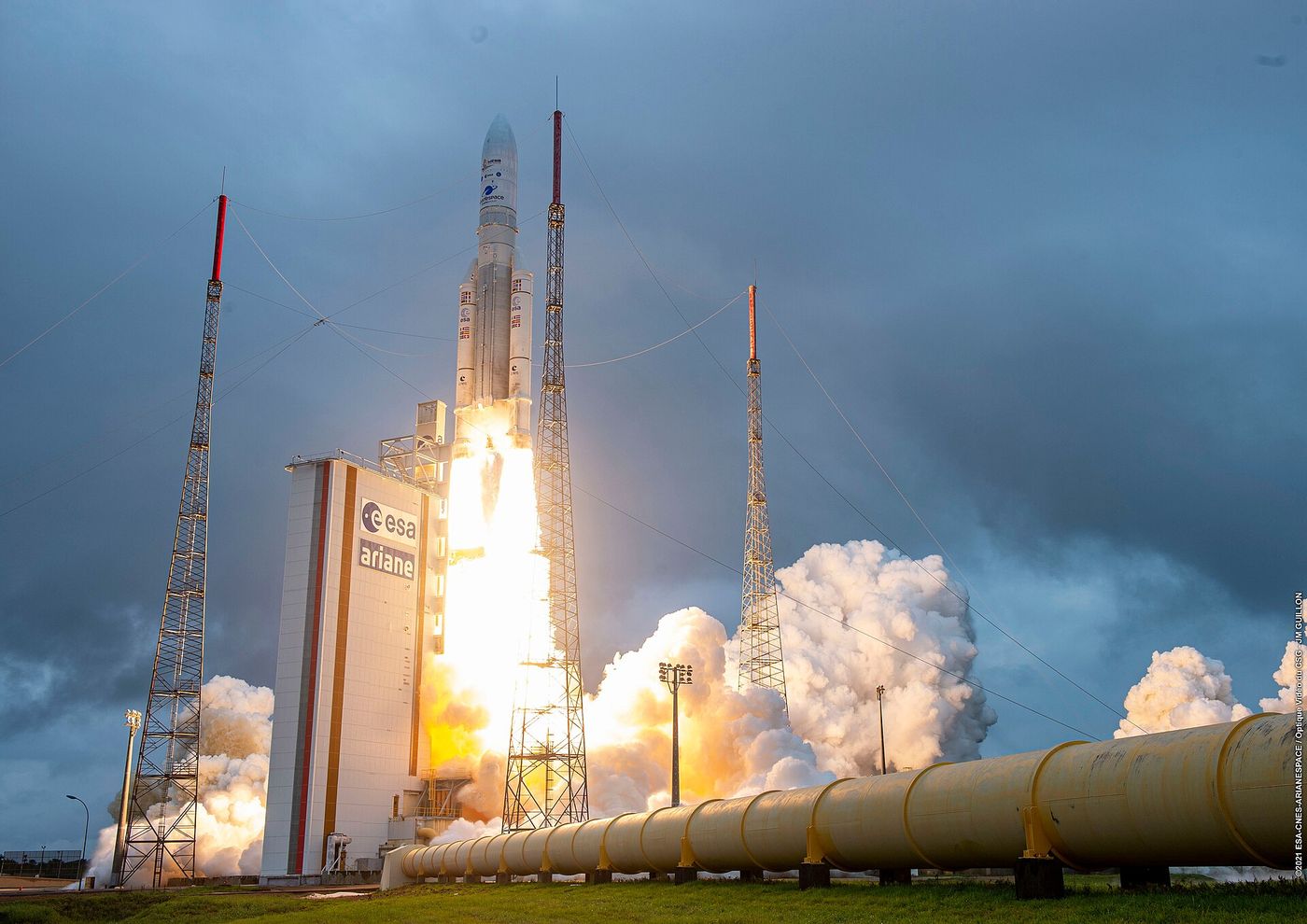
Thirty satellites went up from French Guiana on Friday, the start of a network meant to give governments an alternative to American providers.
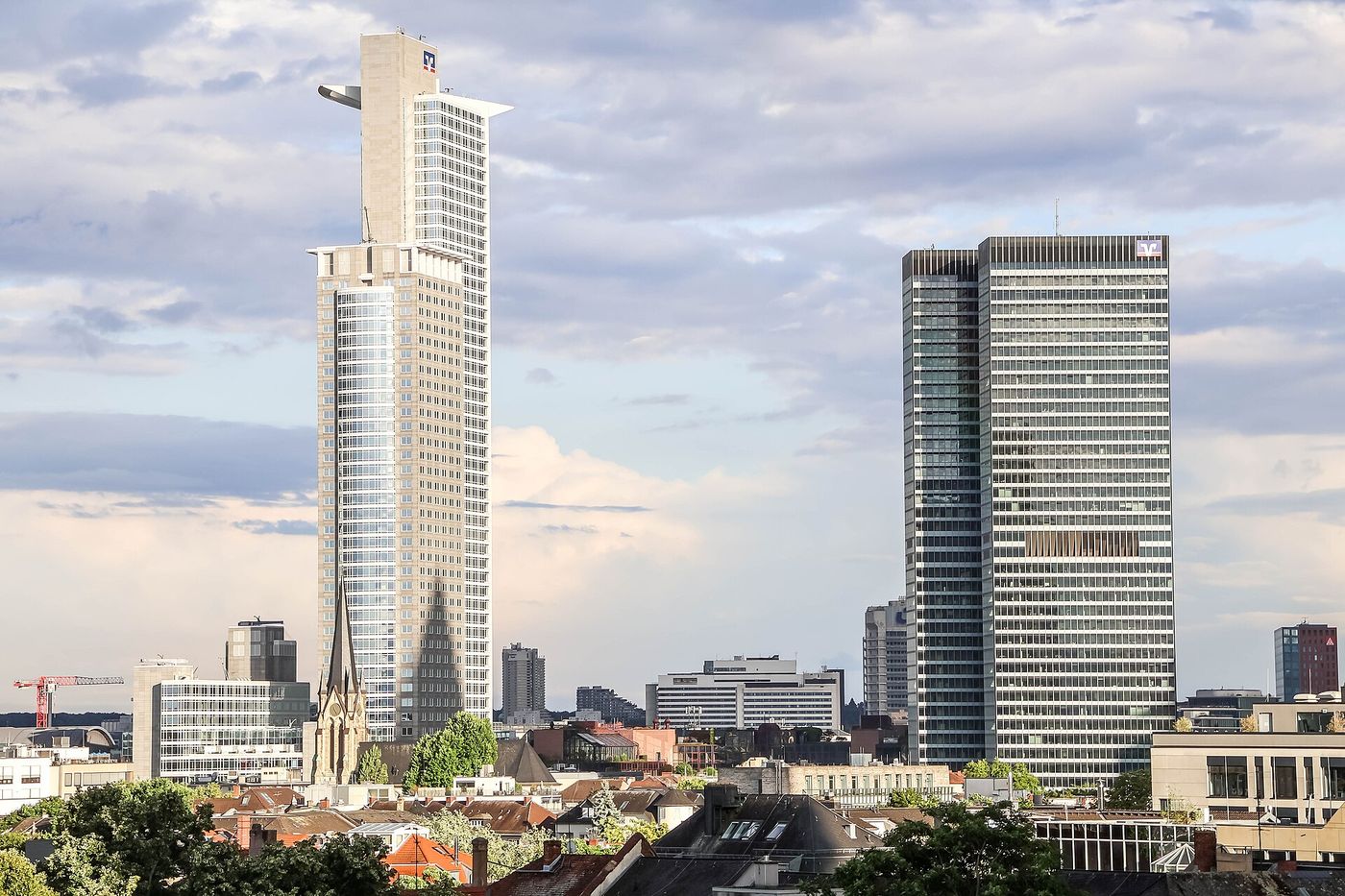
Falling rates were supposed to lift lending. Instead they have squeezed the spread that German lenders depend on, and the cost-cutting has begun.
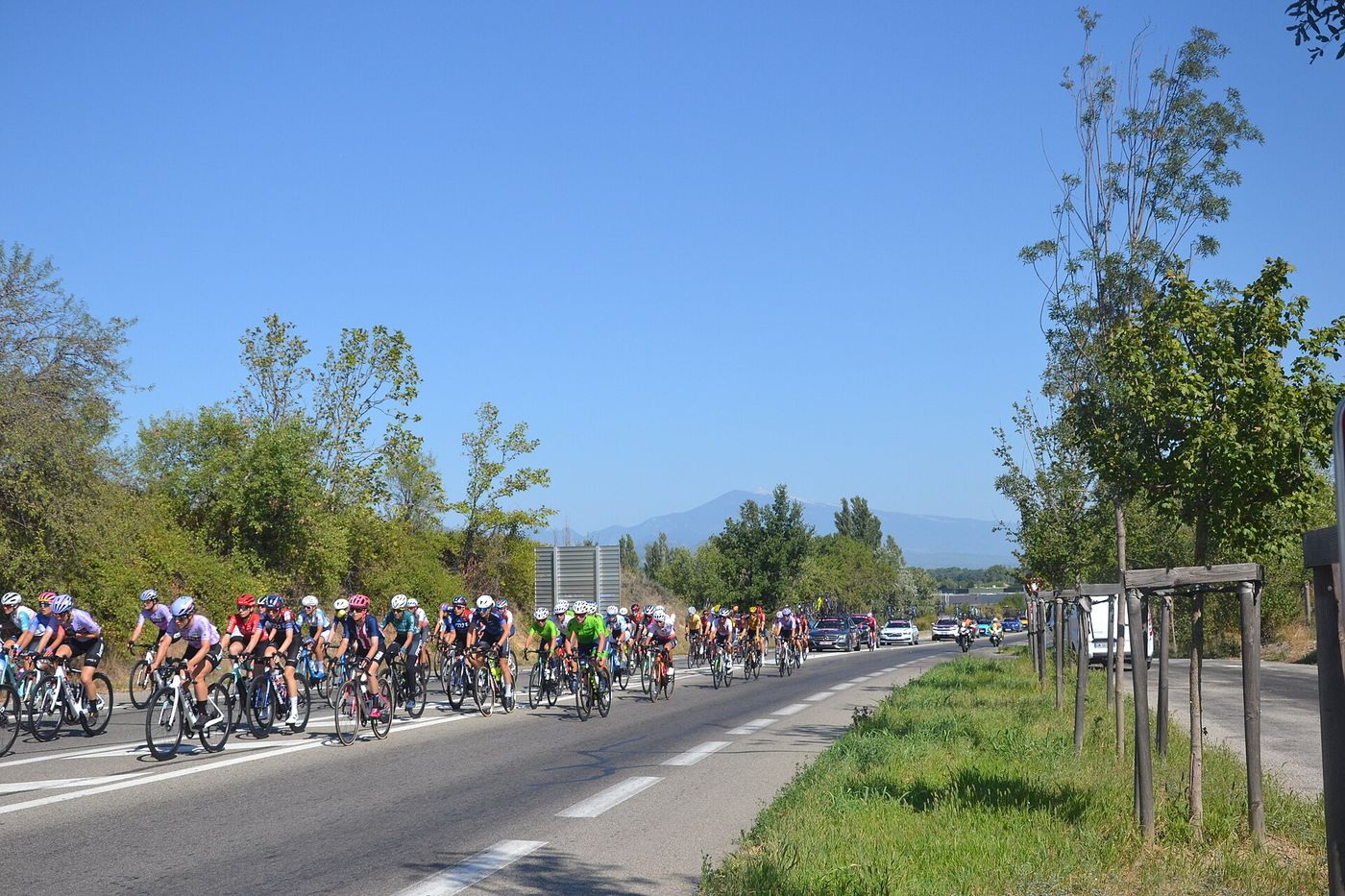
The race has grown from eight stages to nine. Its organizers are now weighing a foreign Grand Départ, which would need at least ten.
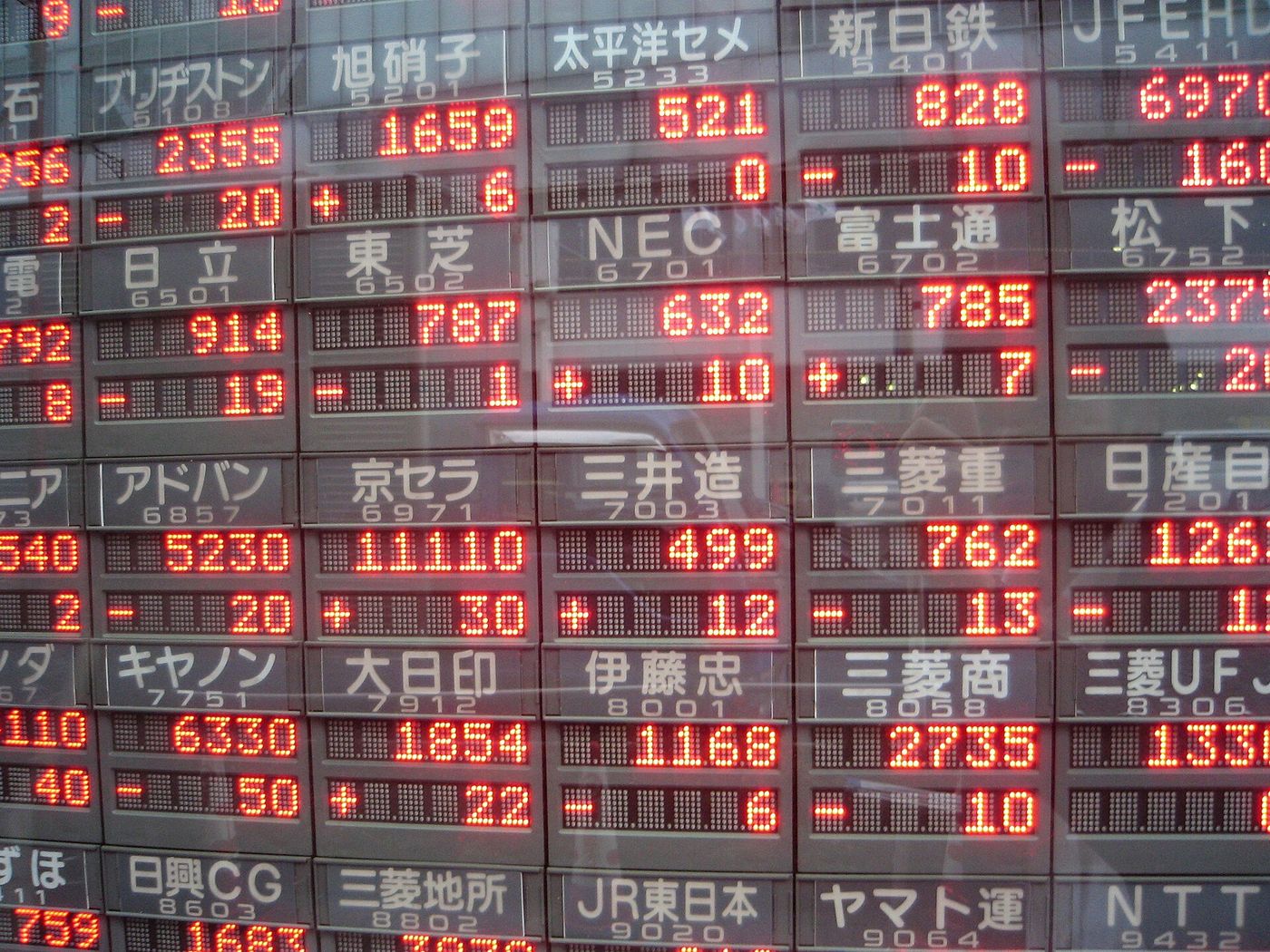
Foresight Research, a young research firm, is positioning itself as the OpenAI of trading. Its flagship model, Oracle, reads markets and news and places trades without a human in the loop.
Hard, fragrant and inedible raw, quinces turn rose-colored and tender under caramel. This upside-down tart takes two hours, most of it unattended.
Patients with alcohol use disorder who received semaglutide reported 38 percent fewer heavy-drinking days over six months, compared with 17 percent for those on a placebo.
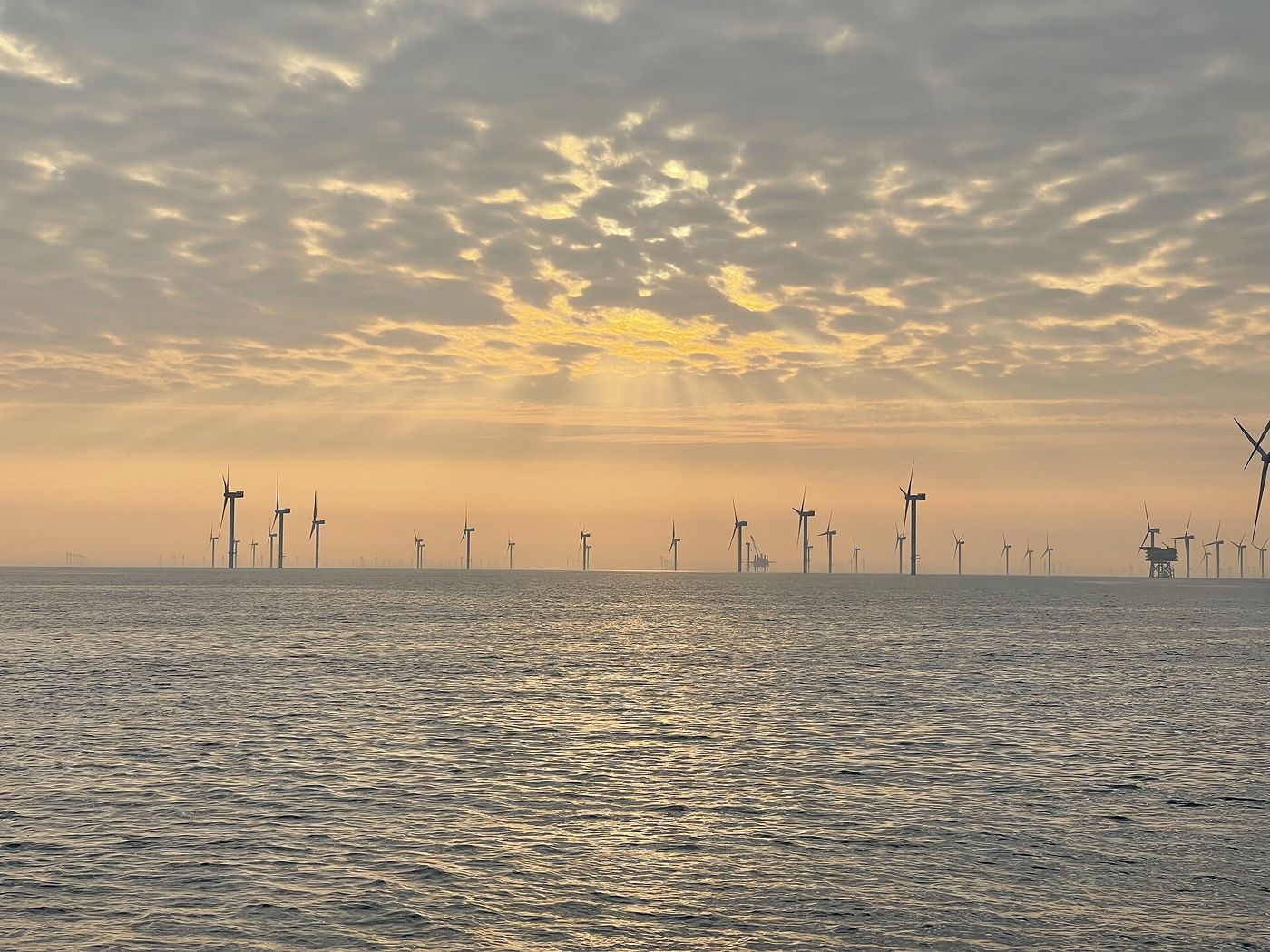
Turbines are being installed faster than the lines that carry their power ashore. A shortage of high-voltage cable, and the ships that lay it, is now the bottleneck.
Air quality in the capital hit hazardous levels on Saturday, weeks ahead of the usual peak, after a wet September delayed the rice harvest and compressed the burning window.
Since the right-to-repair directive took effect this summer, volunteer workshops across the city report a surge of visitors carrying toasters, headphones and 40-year-old radios.
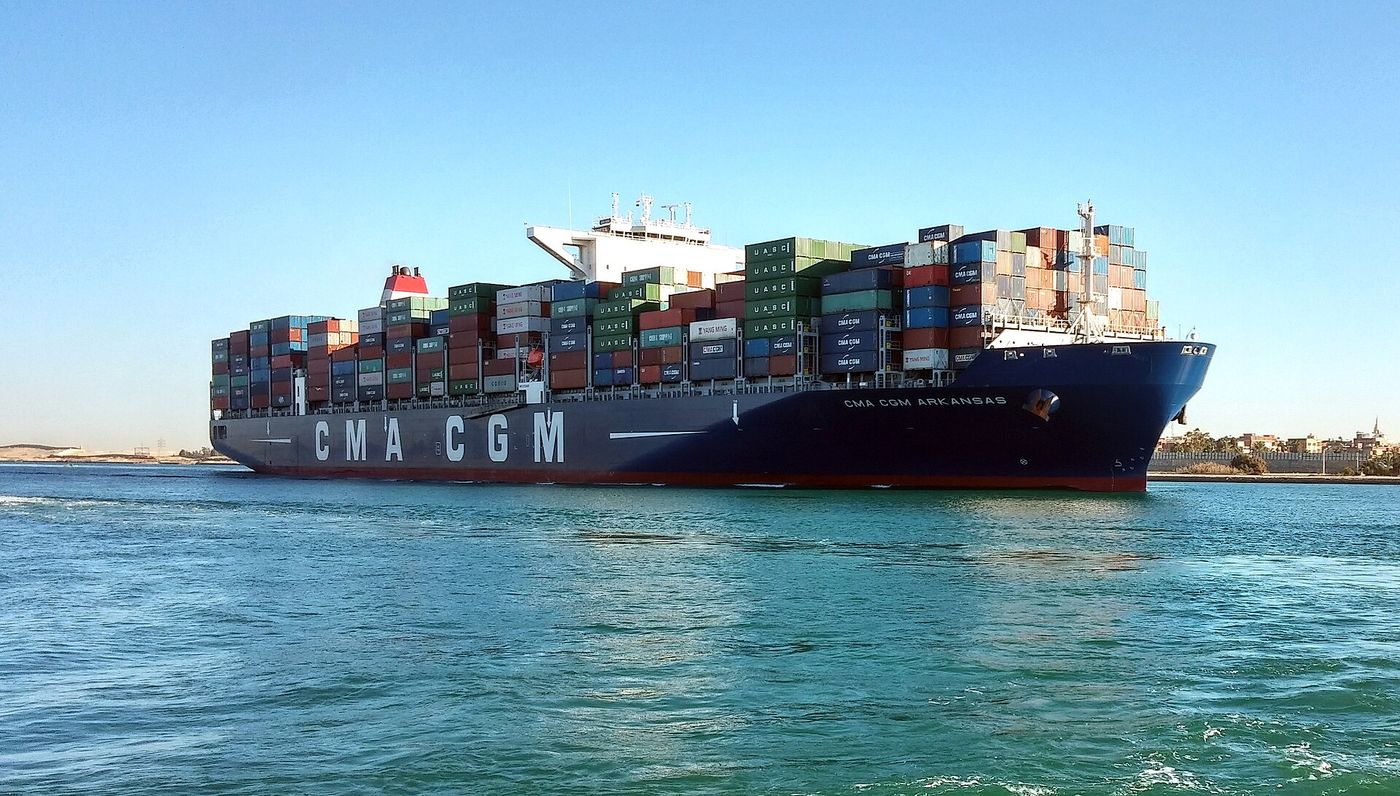
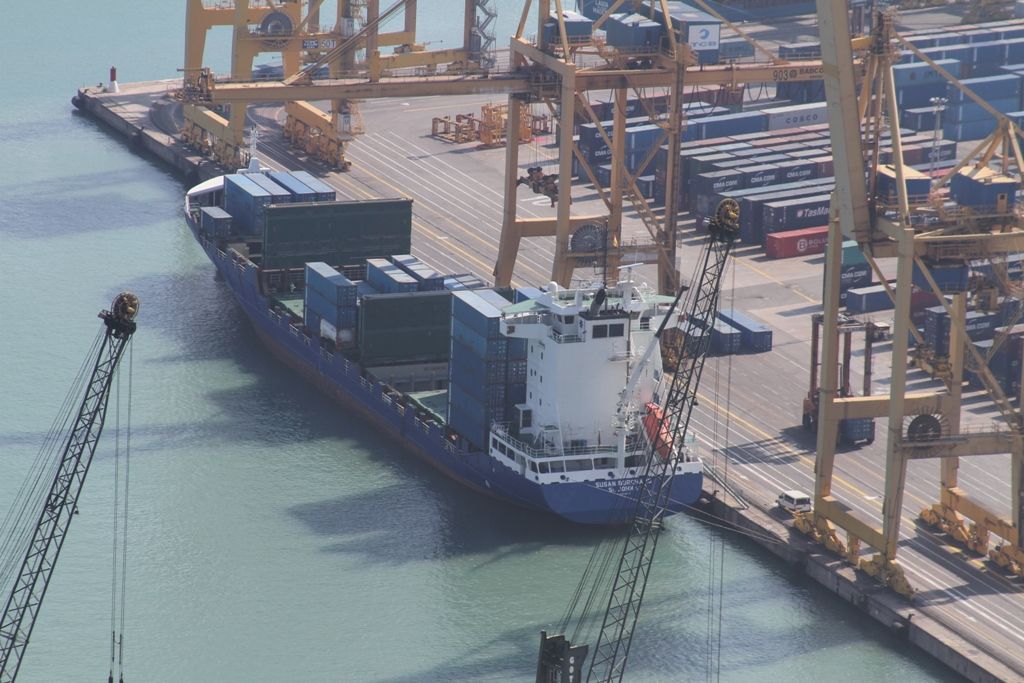
Transits are up by a third from last year's low, but the largest container carriers still route around Africa, and their customers have stopped asking why.
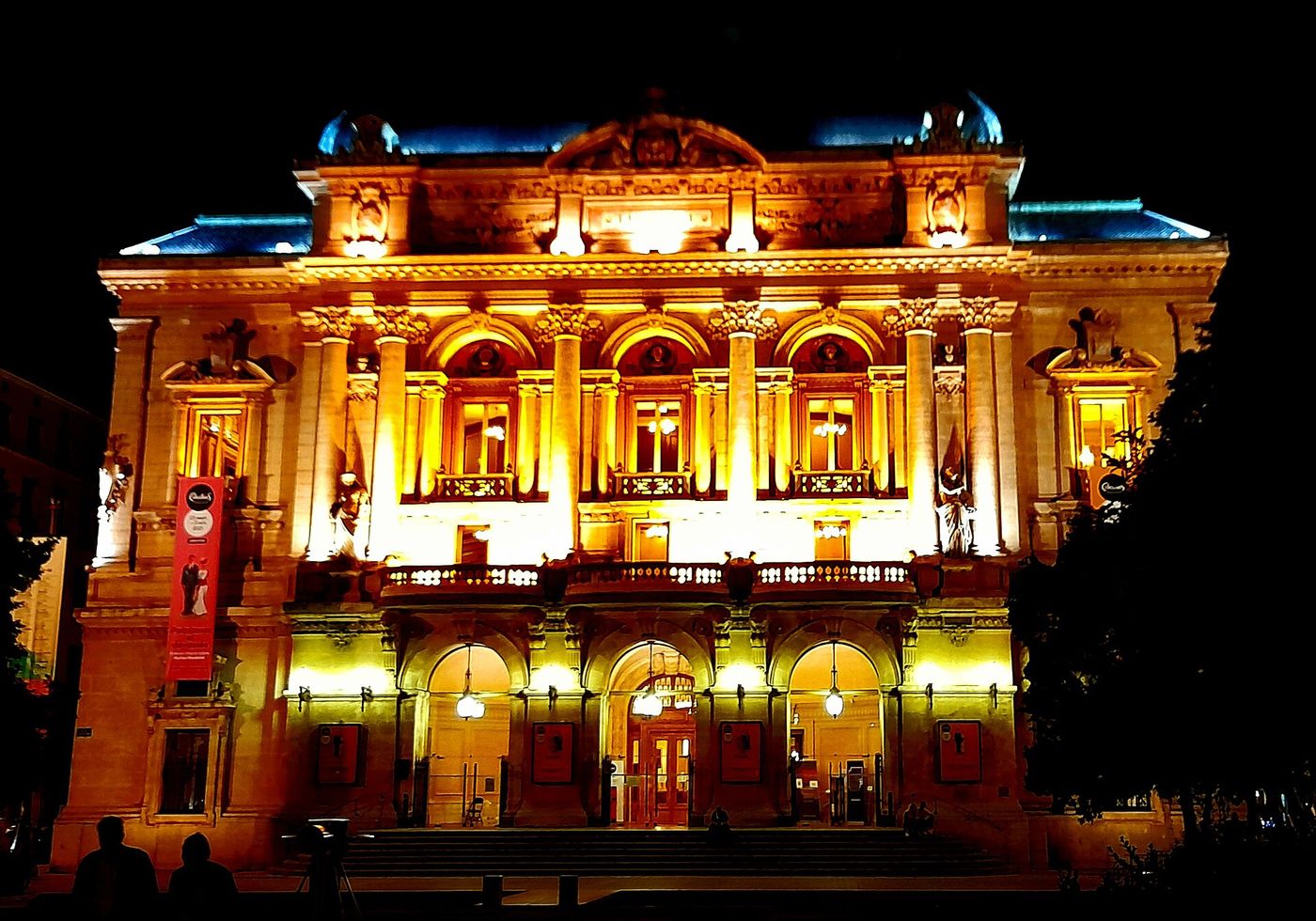
A new production at the Théâtre des Célestins compresses all seven volumes of “In Search of Lost Time” into a single day, meals included. The run is sold out.
The Hungarian classic usually made with chicken works just as well with a mix of autumn mushrooms. The sauce depends on good paprika and on not letting it burn.
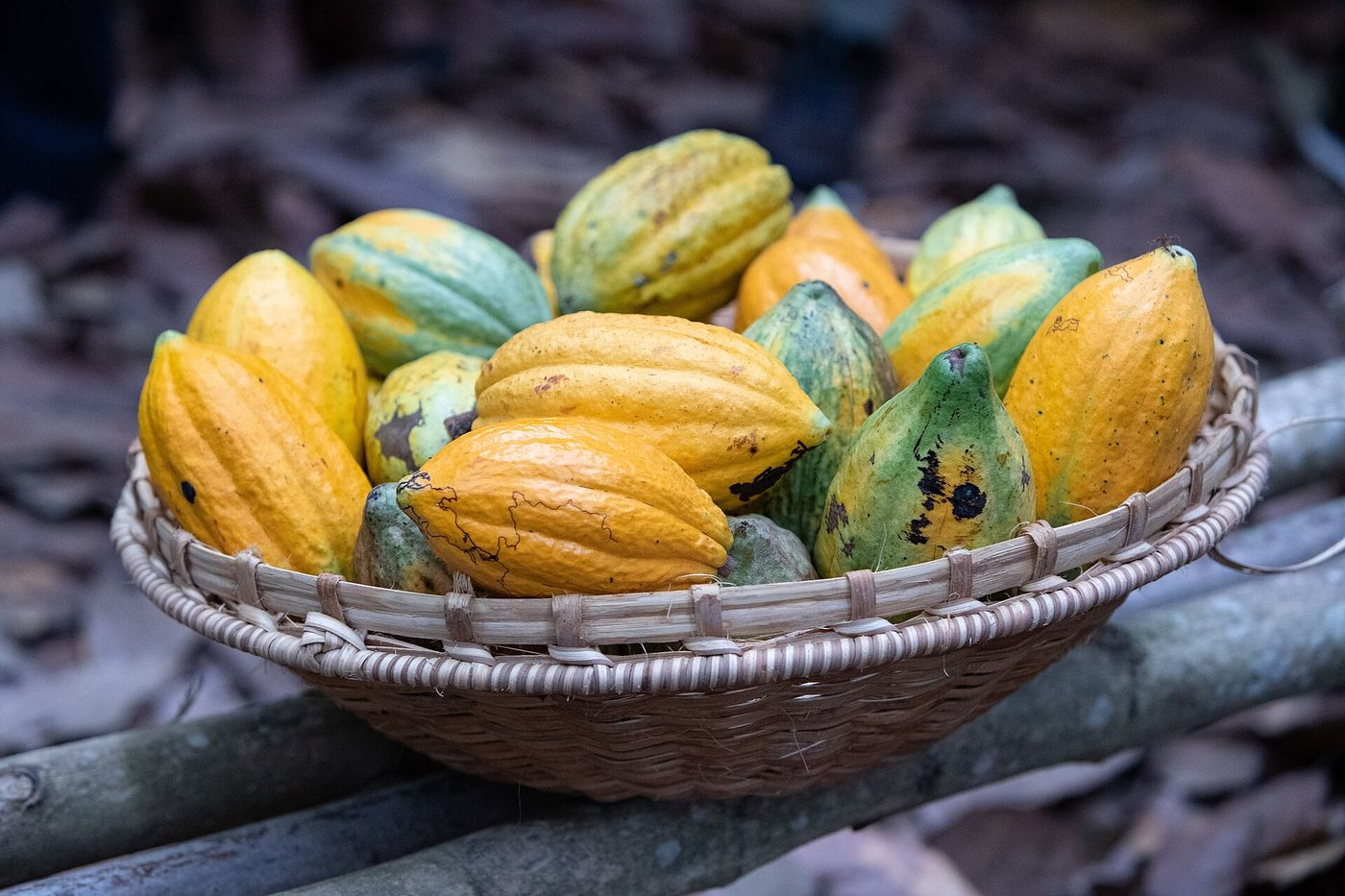
A recovering West African harvest has cut cocoa futures by more than half from their 2024 peak, yet manufacturers say shrunken bars and higher prices are here to stay.
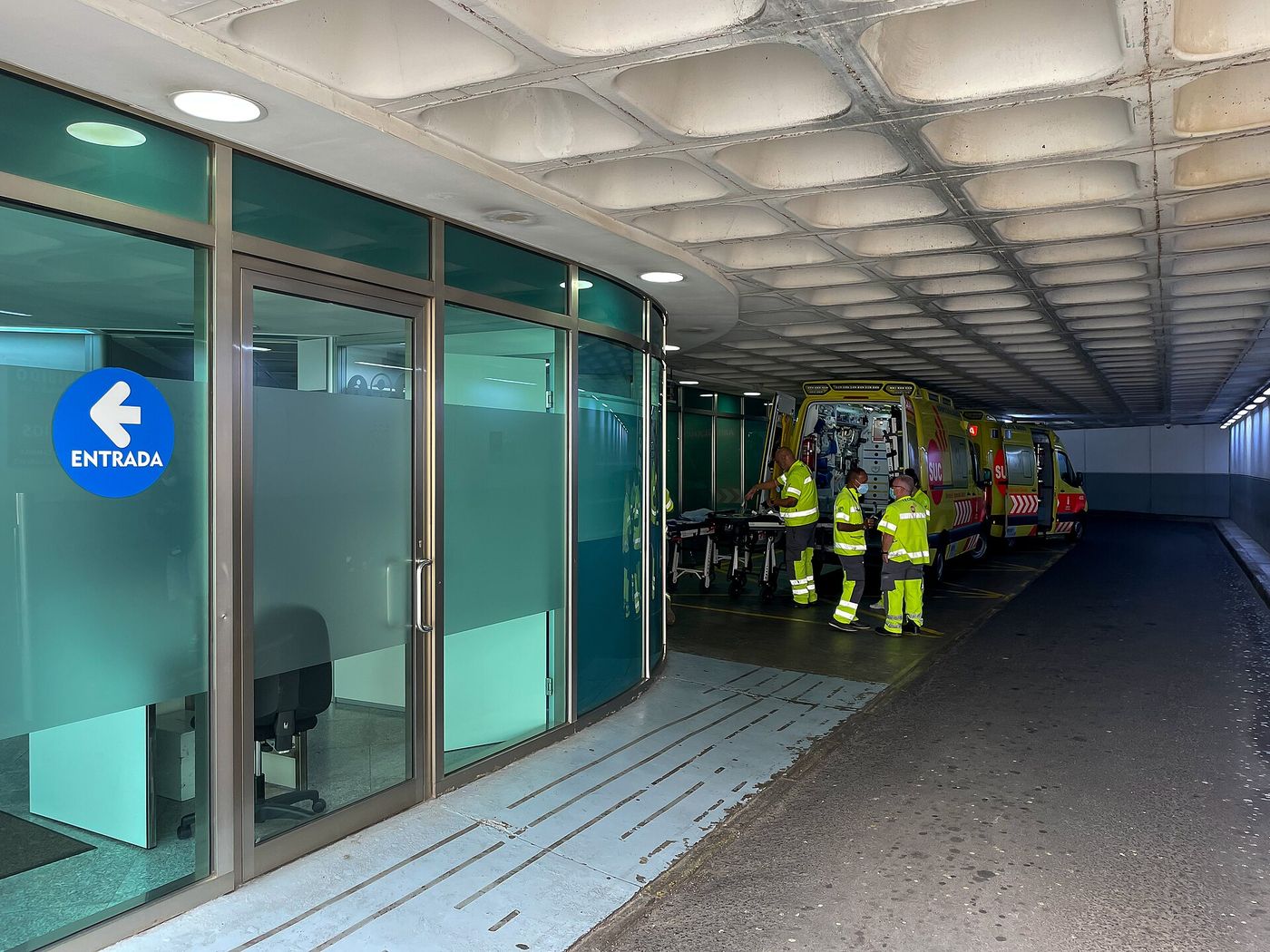
The E.U. health agency says an H3N2 strain that drove a sharp season in Australia and Chile is already circulating in several member states, weeks earlier than usual.
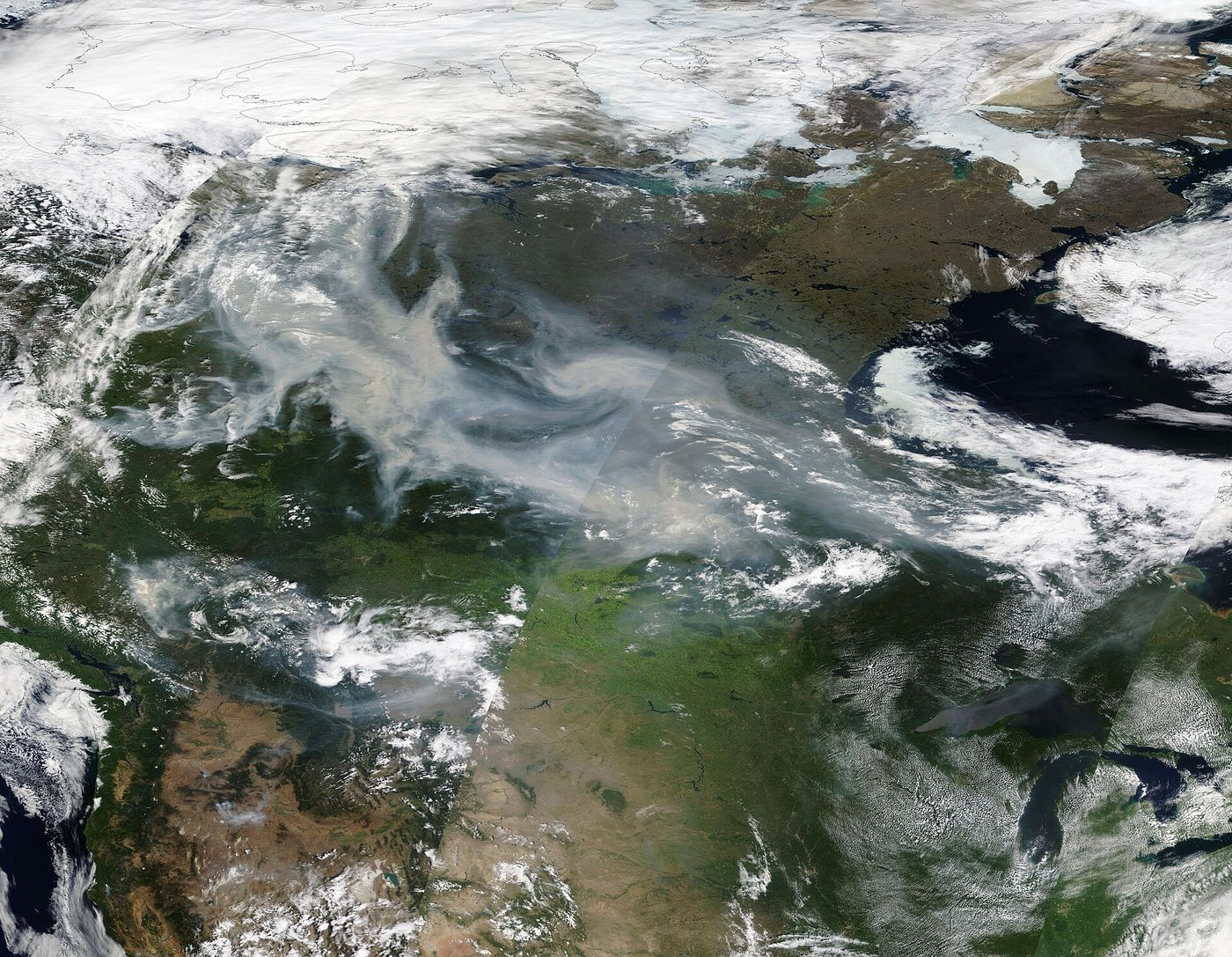
More than 12 million hectares burned this year, and the cost of covering homes in the boreal fringe is rising faster than many families can absorb.
She raised her prices once a decade and apologized every time. Her successors raise them every quarter and do not.
Three-year-old E.V.s now hold about 48 percent of their original value, up from a low of 41 percent, as cheaper batteries, longer warranties and tighter supply steady the market.
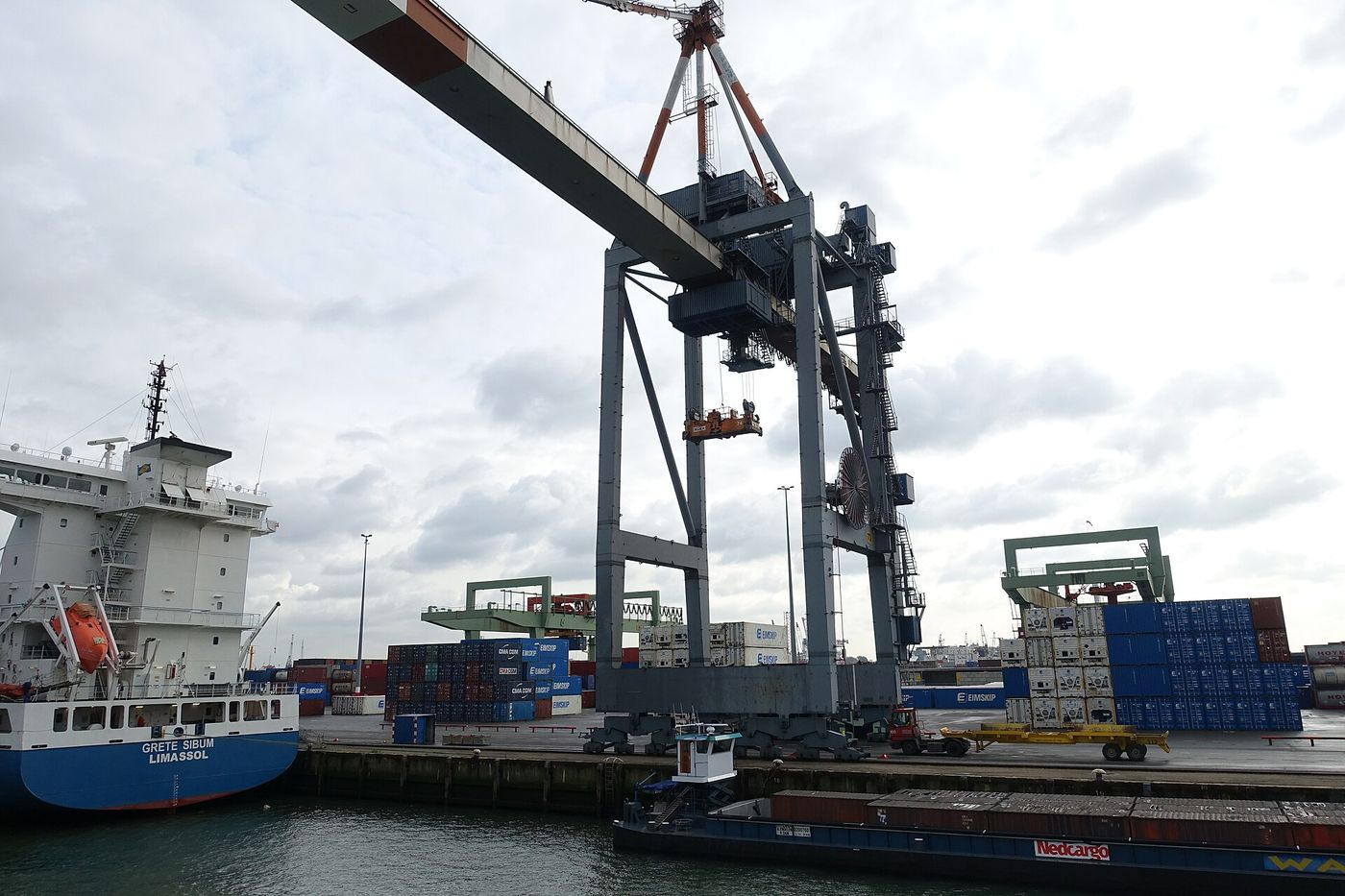
Europe's largest port has built the terminals and pipelines for imported hydrogen. The ships are still mostly hypothetical.
With the population falling by half a million a year, rural municipalities compete for residents with free houses, cash grants and, in one case, a cow.
After months of deadlock, a compromise text would let member states pool orders for ammunition, air defense and drones, with Brussels guaranteeing part of the financing.
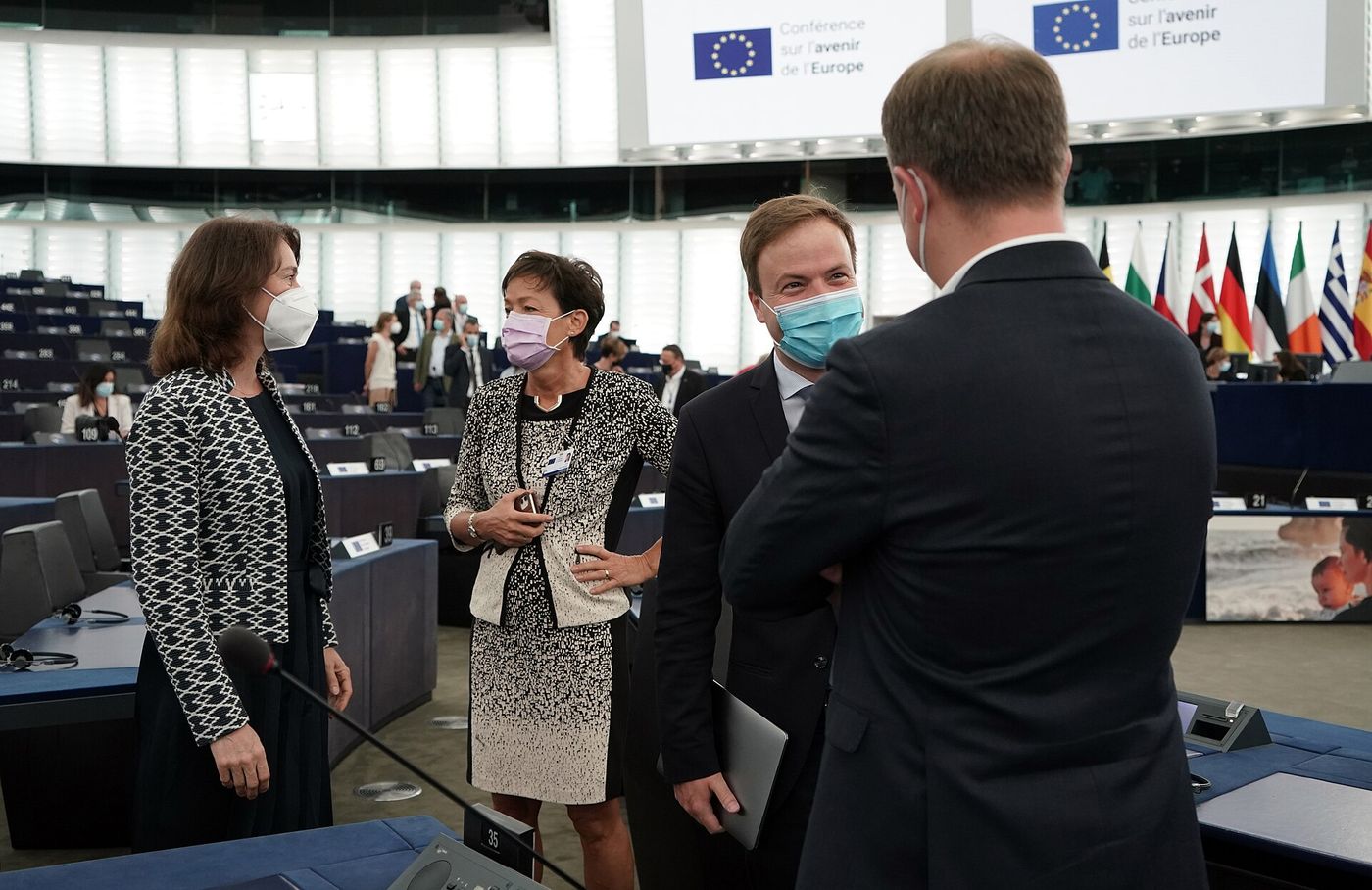
The retirement age will rise by stages to 68, offset by a higher minimum pension. Both partners claimed victory; economists said the math still does not close.
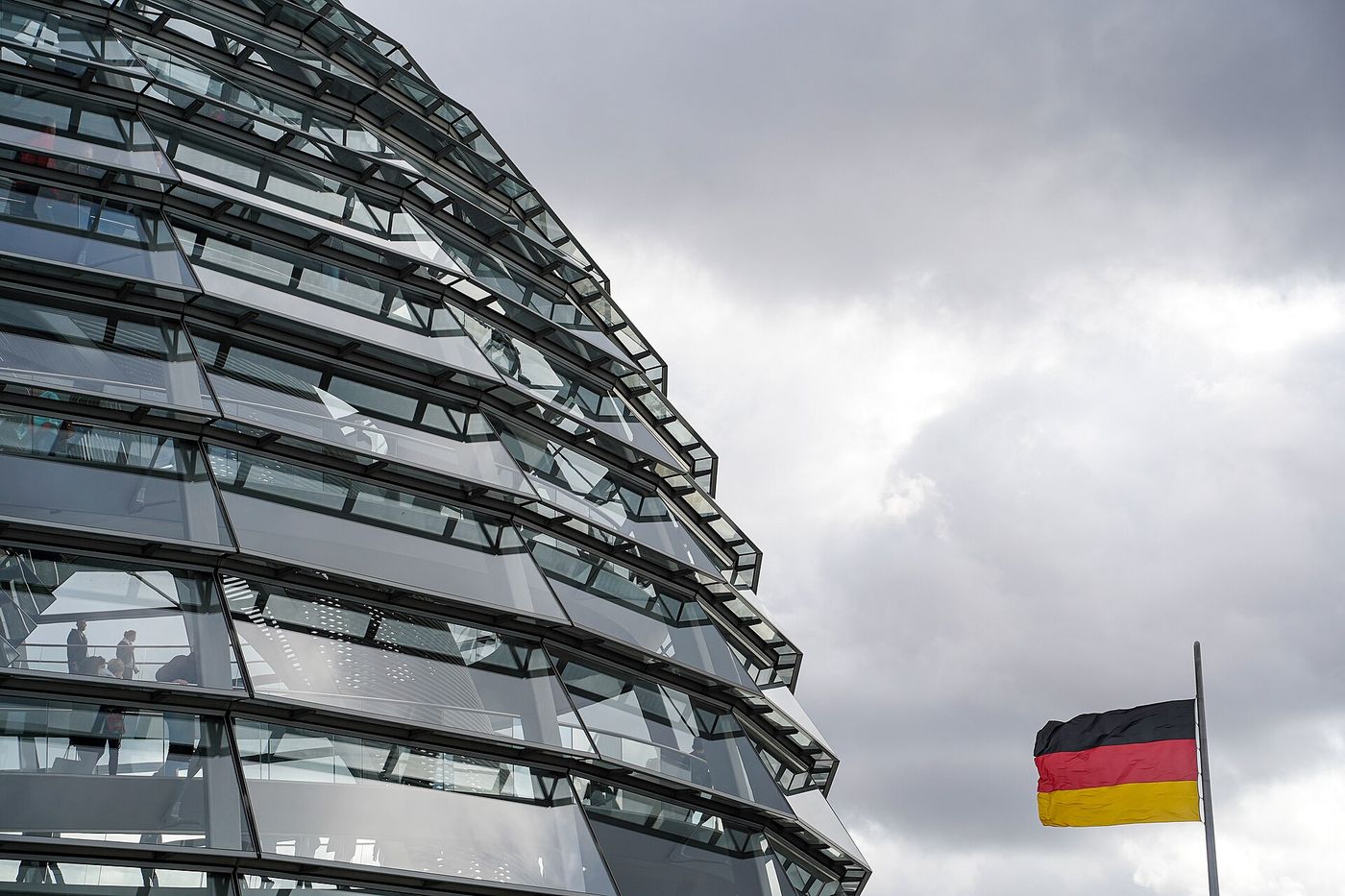
The 95-kilometer section is the first piece of a long-delayed line that will connect the Baltic states to the European rail network for the first time since independence.
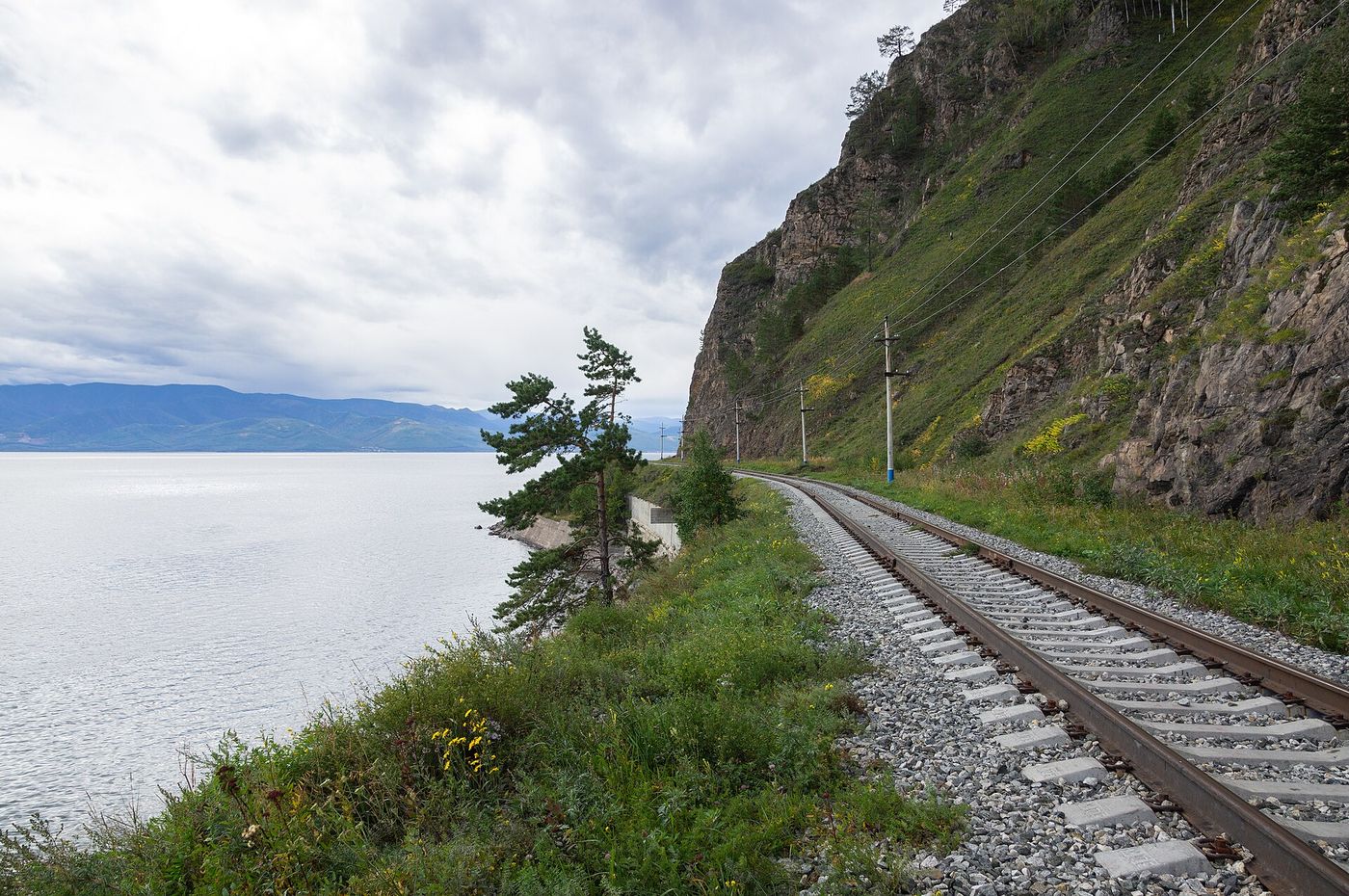
Samuel Kiprotich Lagat won in 2:05:31 on a cold, still morning. Femke Roelofs, a 26-year-old from Utrecht, finished fourth in a personal best and secured a European Championships berth.
At the Kaub gauge the river stood at 42 centimeters on Saturday. Barges are sailing one-third full, and freight rates on the Rotterdam-Basel route have nearly quadrupled.
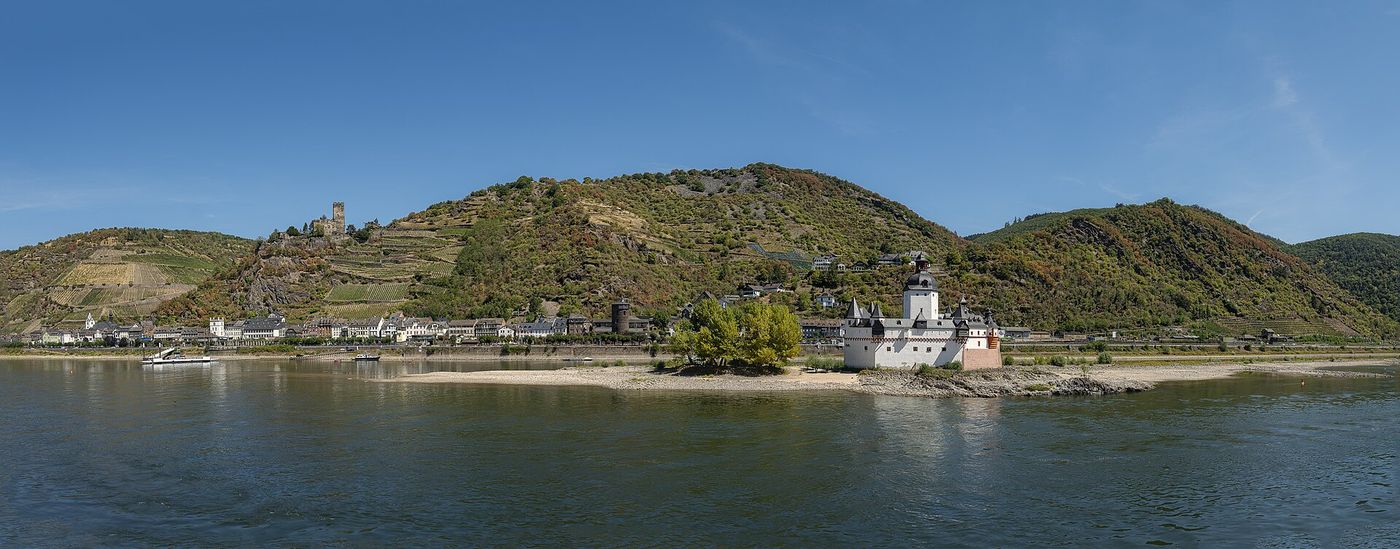
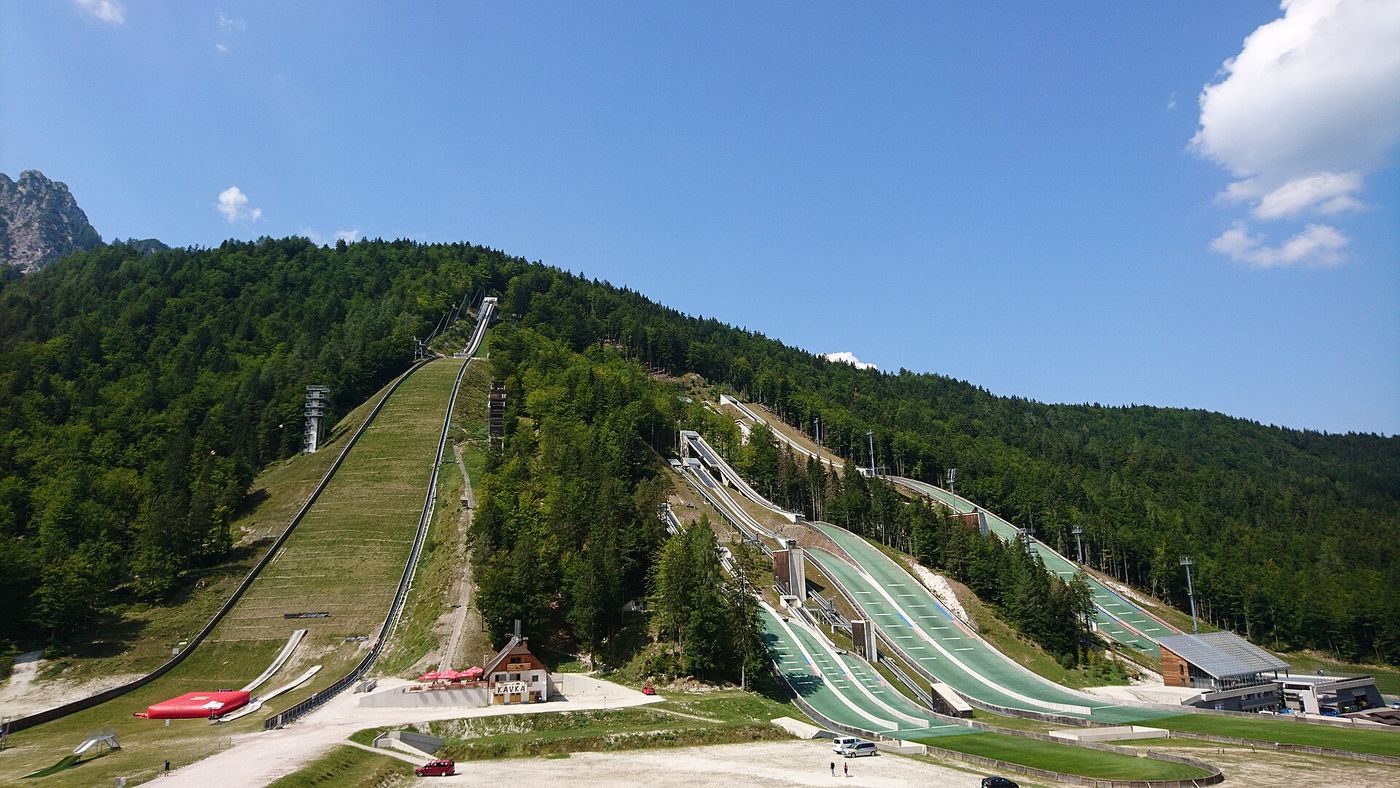
With the World Cup opener five weeks away and the hills still green, athletes at Planica are training on porcelain tracks and plastic mats while organizers stockpile artificial snow.
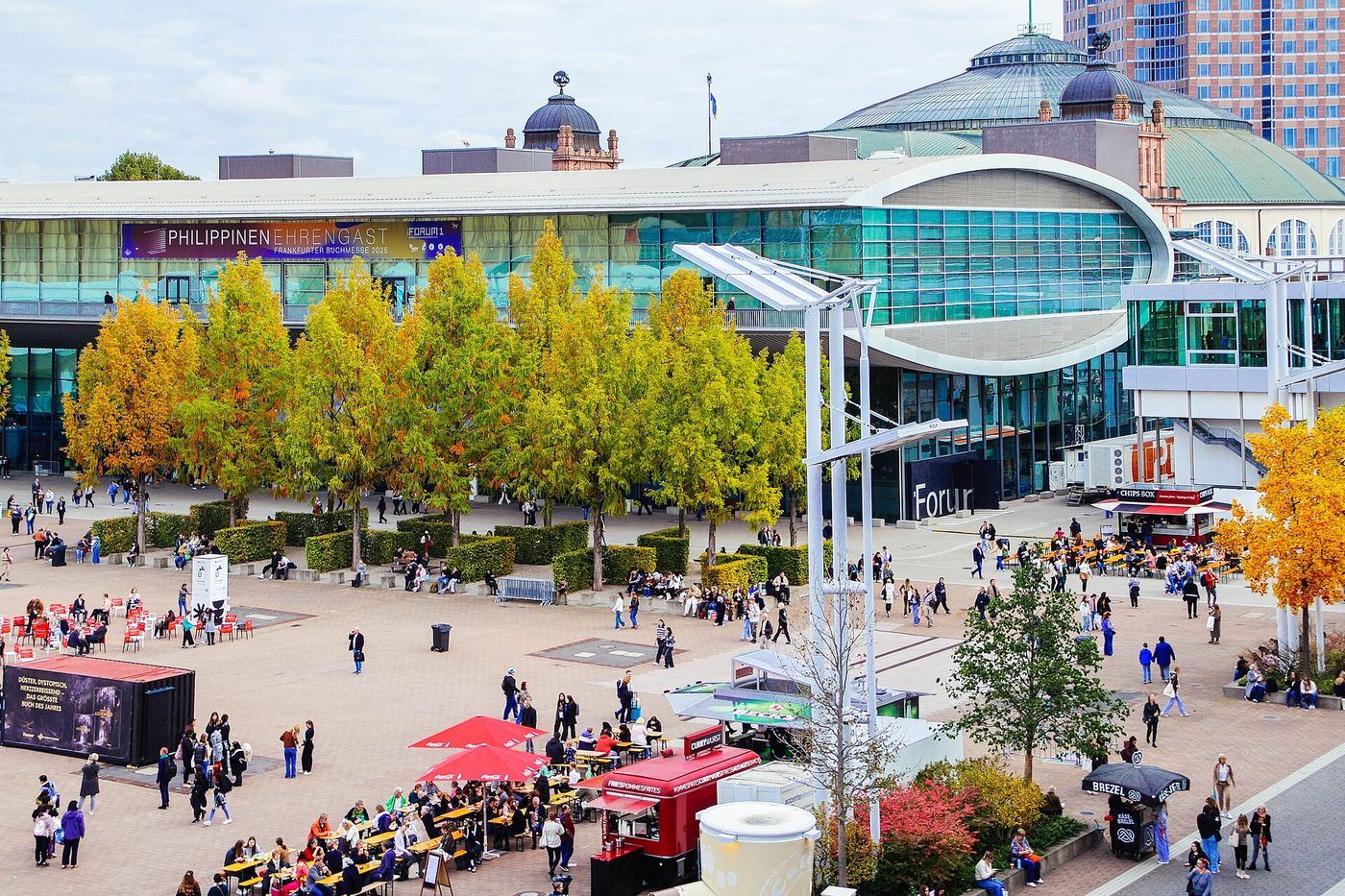
With the Czech Republic as guest of honor and sales of translated novels up sharply across Europe, publishers spent the week bidding for books most of them cannot read.
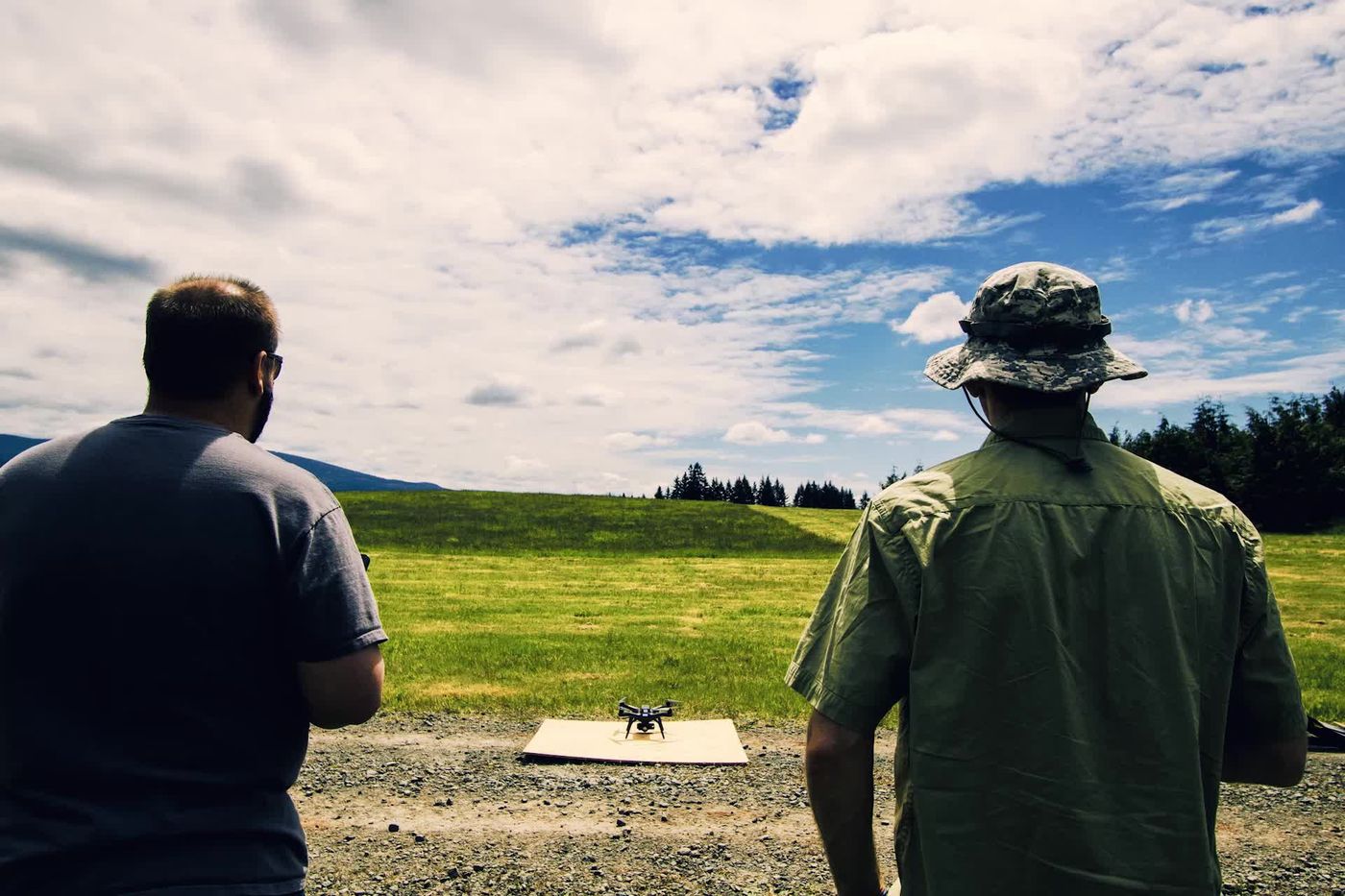
A new framework would require every drone above 250 grams to broadcast its position, and would give cities the power to declare no-fly corridors in minutes rather than months.
Governments subsidize airports without blinking. They should think the same way about beds on rails.
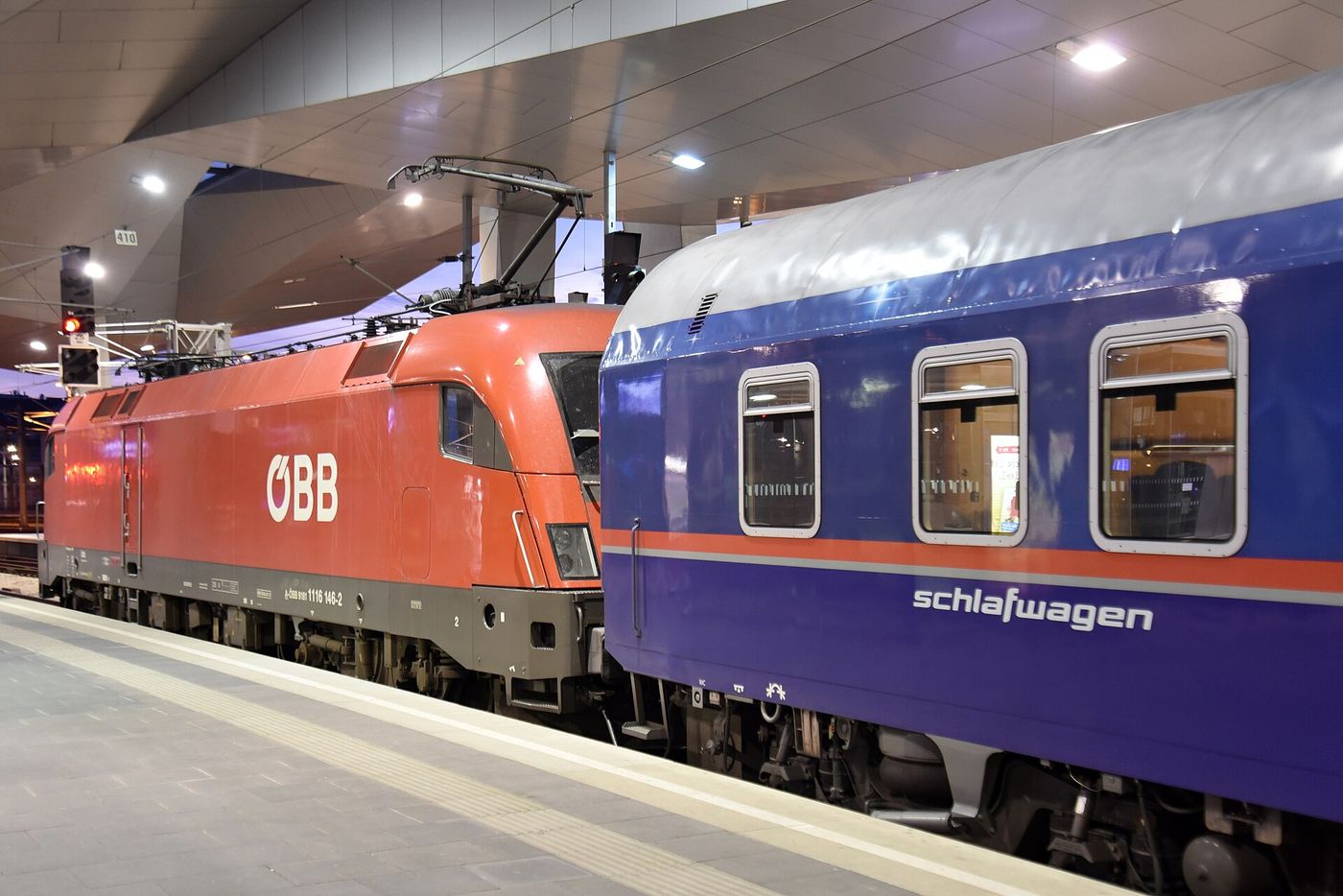
Night routes now link Paris, Berlin, Vienna, Zurich and Rome, and most of them sell out weeks ahead. The carriages are the bottleneck.
The procurement deal is welcome. It is also twenty years late.
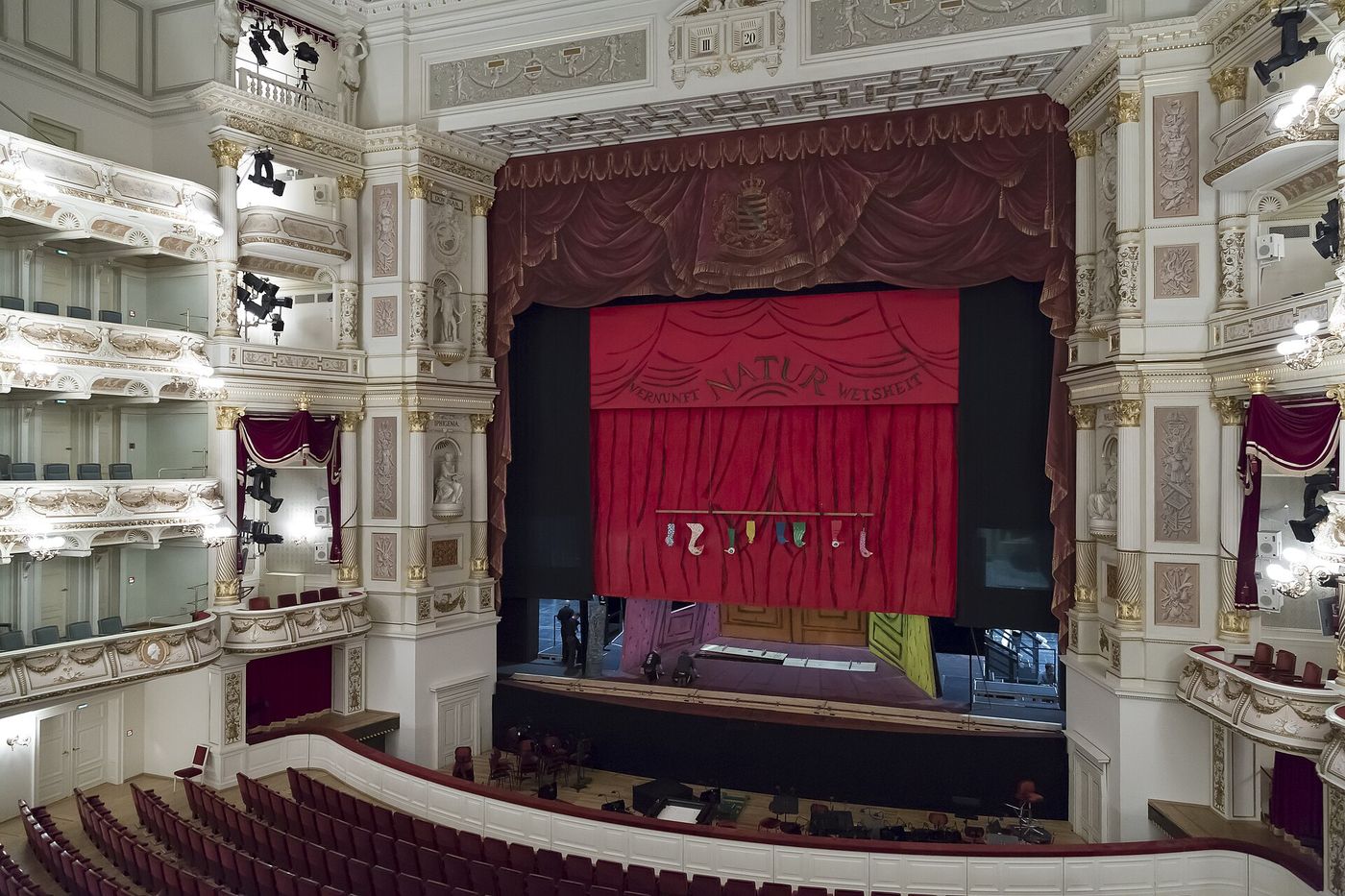
Johann Caspar Ritterlein’s “L’Erminia,” last performed in 1719 and rediscovered in a parish archive, opened a sold-out run at the Semperoper on Friday.
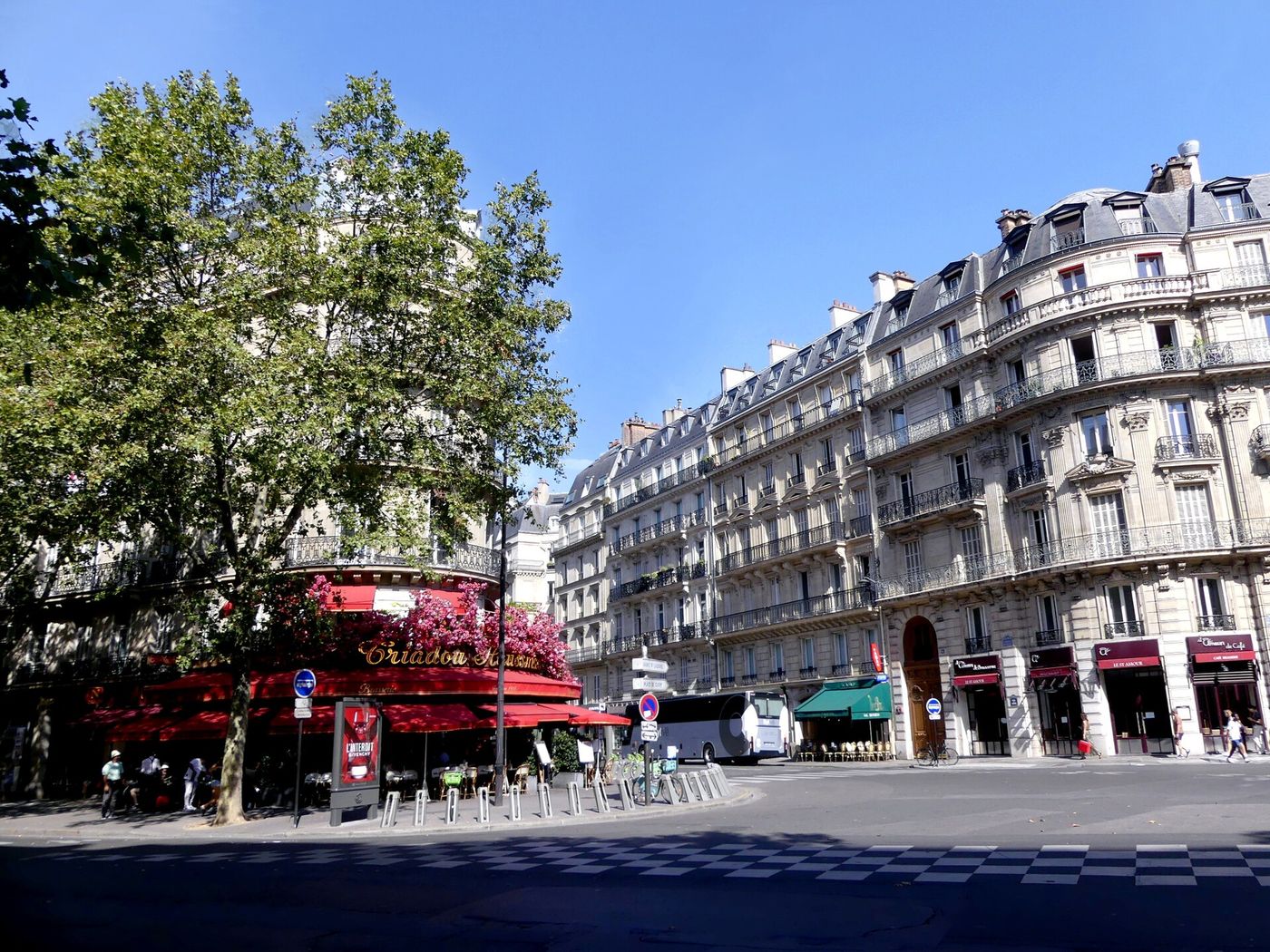
The pandemic-era terraces that spilled onto the streets were supposed to be temporary. Five years later the city is trying to decide what to keep.
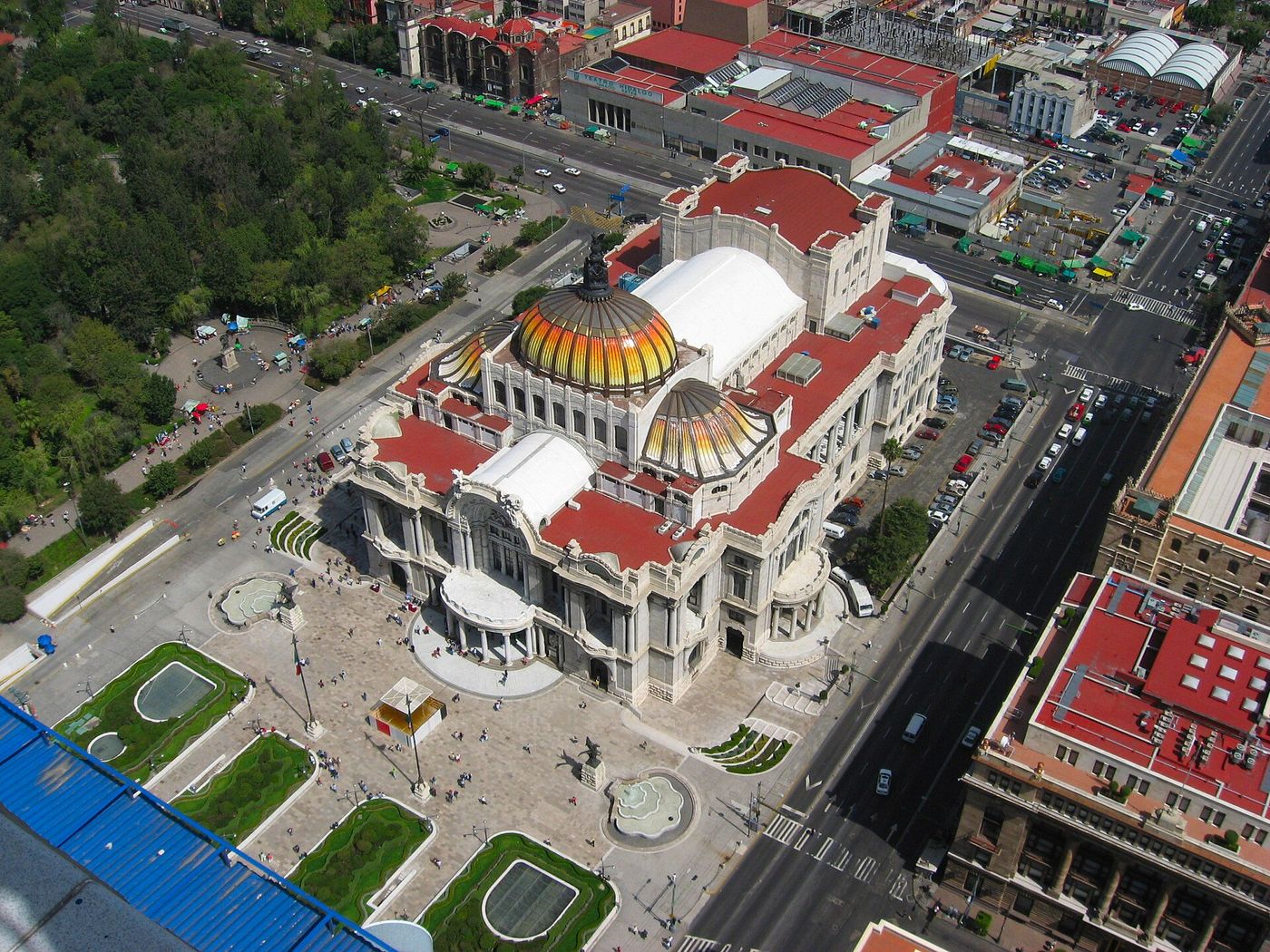
A heavy rainy season has lifted the Cutzamala system to 92 percent of capacity, but neighborhoods that lost water in 2024 are still waiting for pipes to be fixed.
Inflation is down. So is everything else. Both sides of the argument are reading the same numbers.
A 14-meter sediment core shows sheep and goat DNA appearing around 4,600 B.C., roughly 300 years before the first traces of cultivated grain.
The relocation to Nusantara, on the island of Borneo, is the largest yet, and comes as officials acknowledge that the city’s population remains a fraction of what was planned.
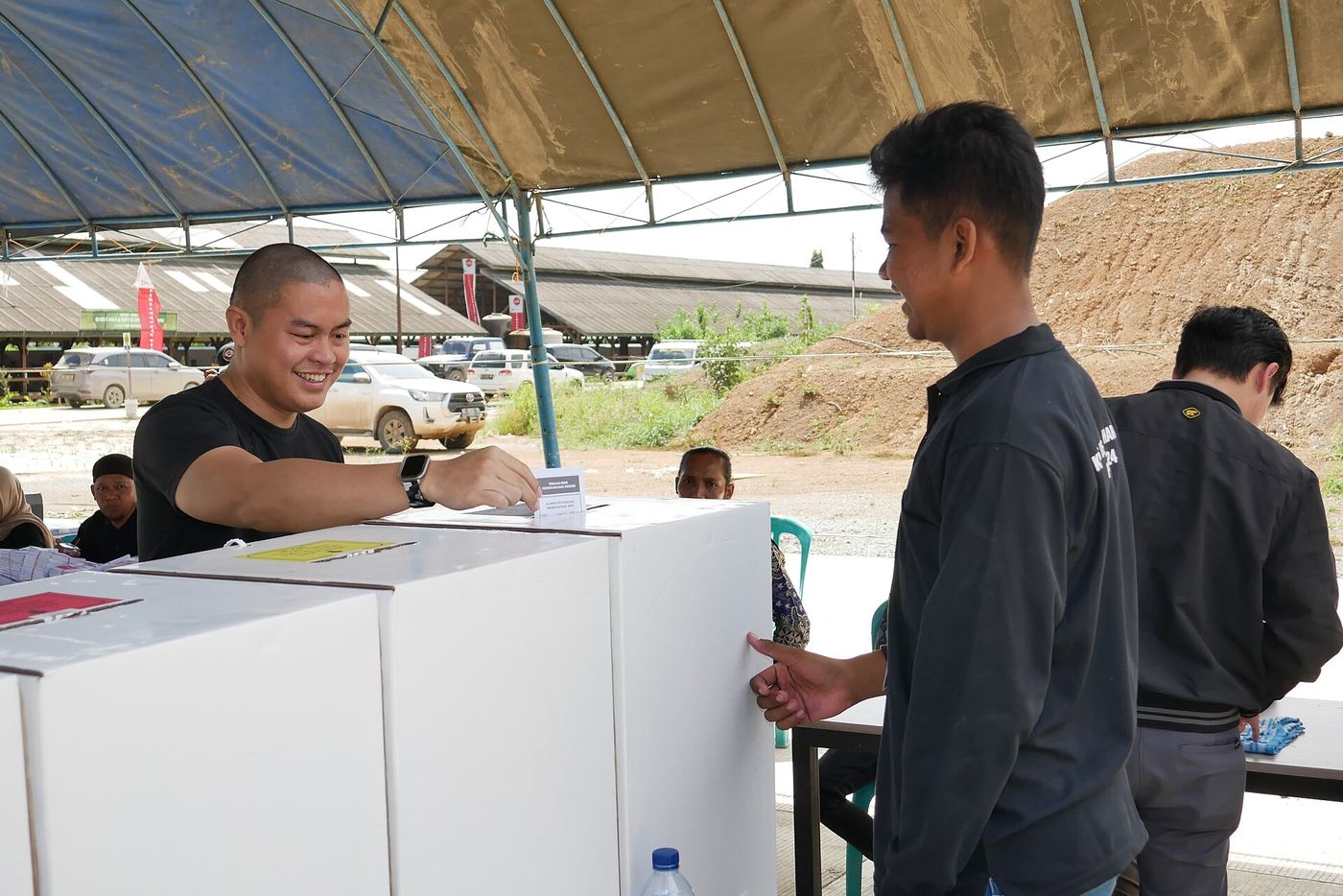
Store-bought gnocchi, a can of tomatoes and more butter than seems reasonable. The sauce makes itself while the water boils.
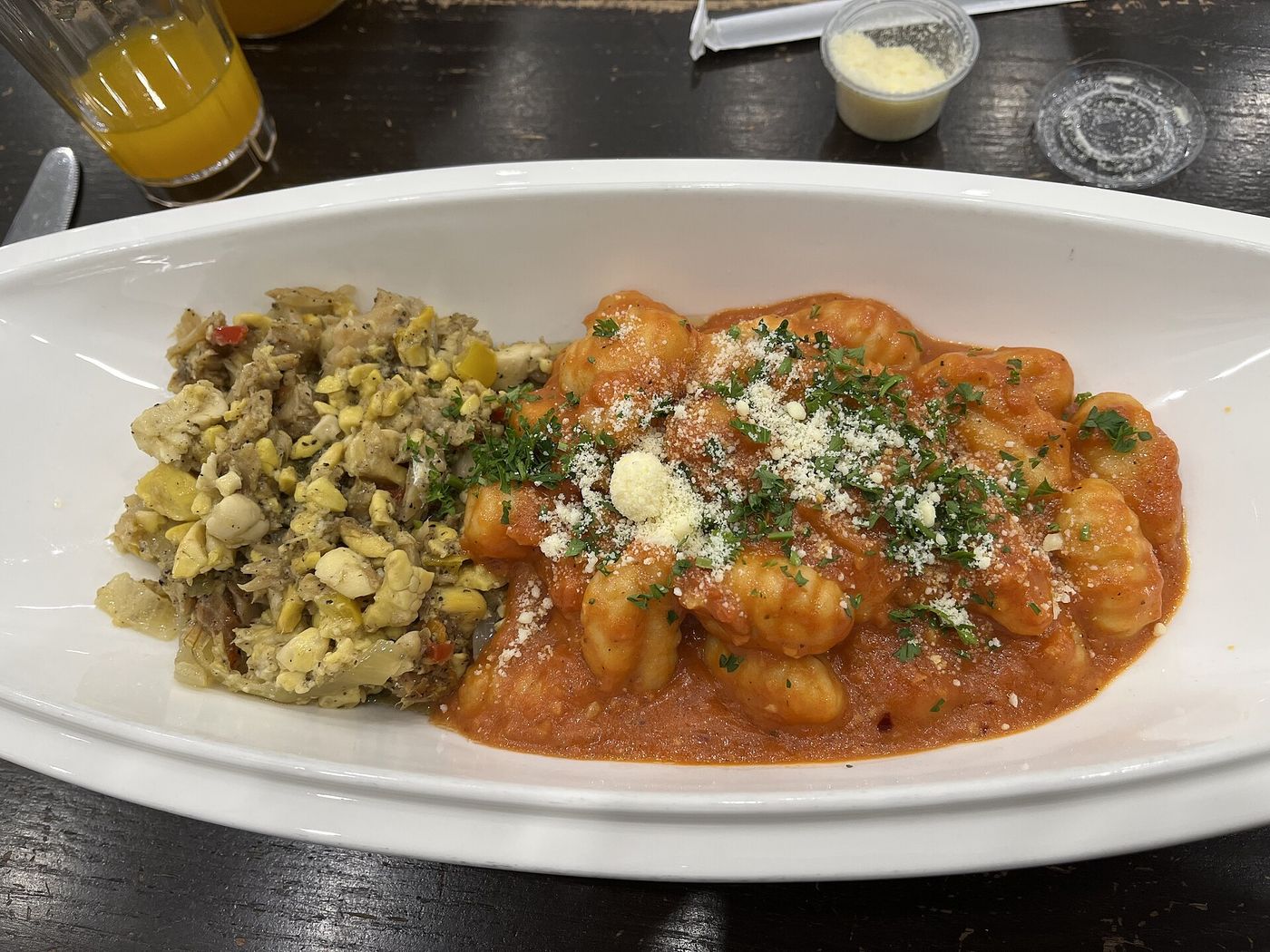
The trials that made headlines were small, self-selected and short. The long-run evidence is thinner than its advocates admit.
Lumière Labs published the weights of its 400-billion-parameter model under a license allowing commercial use, intensifying a debate in Europe over open A.I. and the Continent’s dependence on American platforms.

From February 2027, every portable device sold in the bloc must have a battery that users can swap with common tools. Repair shops are delighted; engineers say waterproofing is the hard part.

The continent has enough lithium in the ground to supply its battery plants. Getting permission to dig it up takes, on average, eleven years.
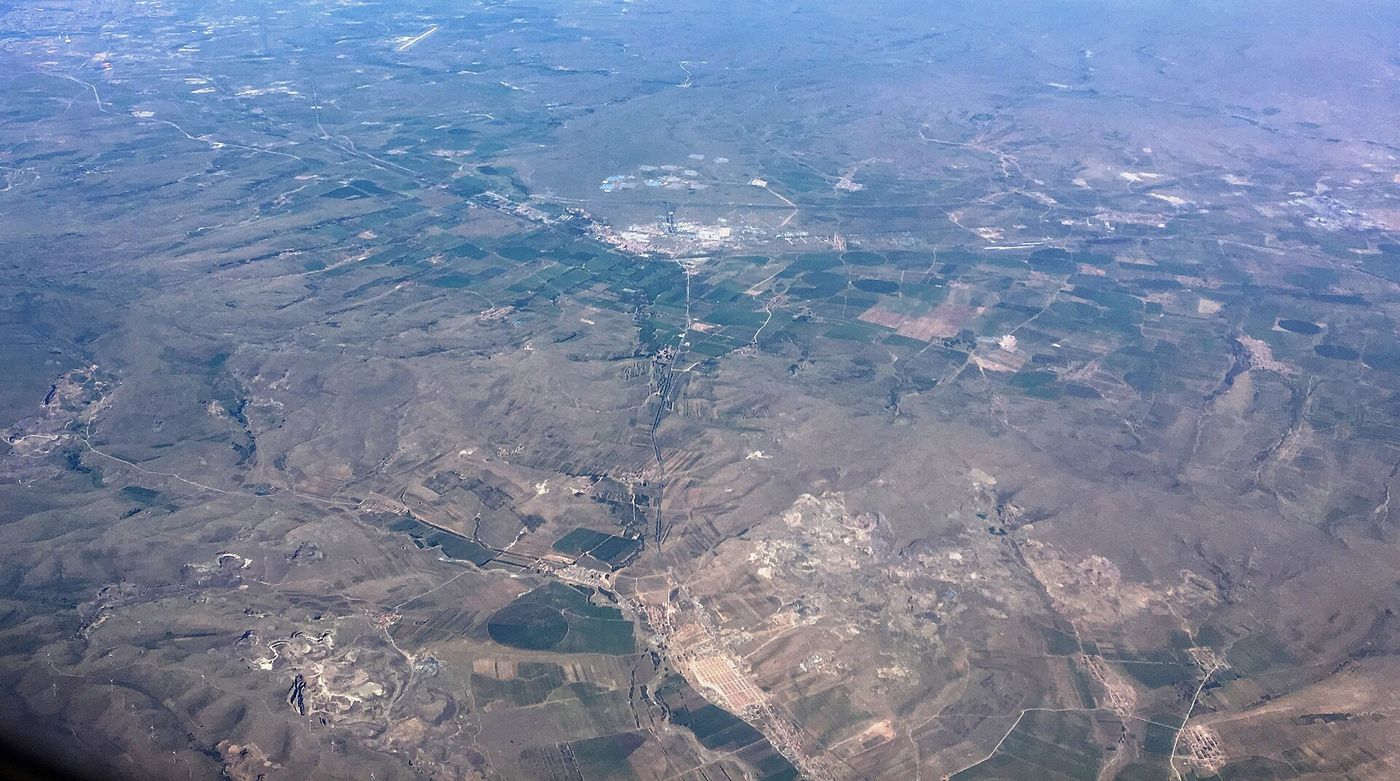
A Flemish painting of a picture gallery shows 32 identifiable works. A museum in Antwerp has now reunited 19 of them in the same room.
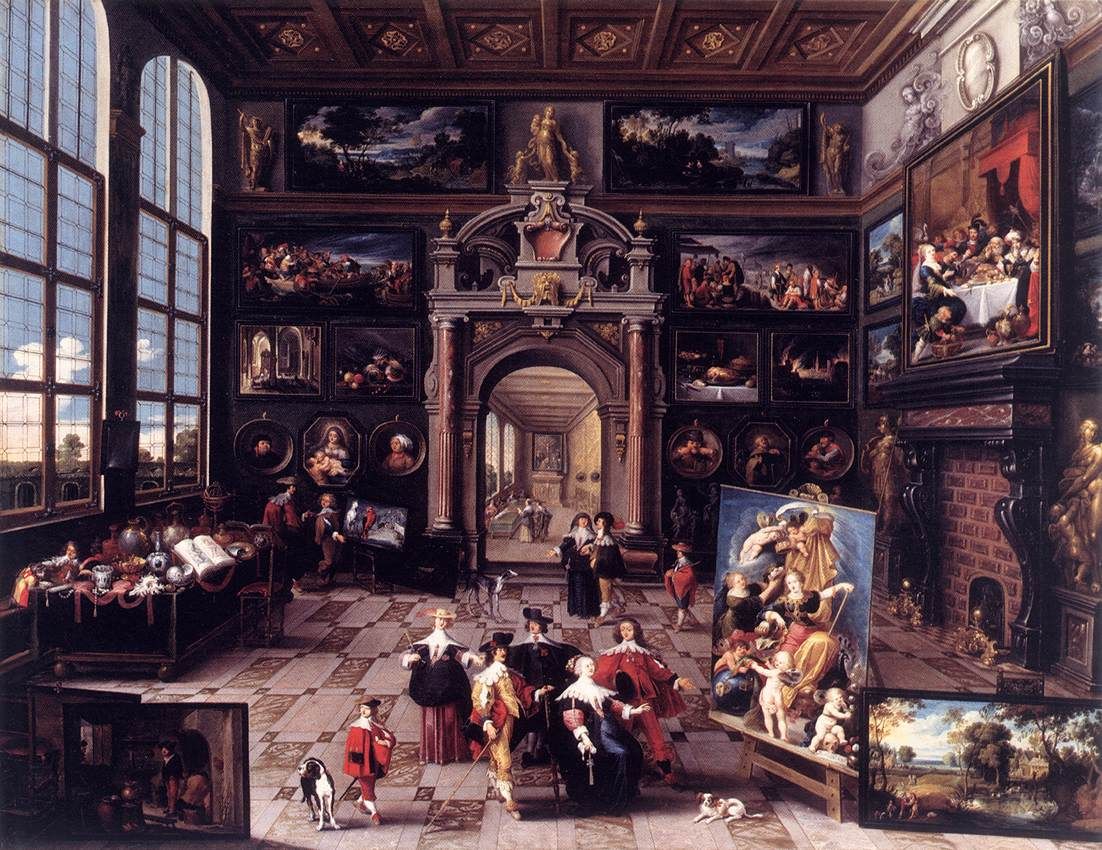
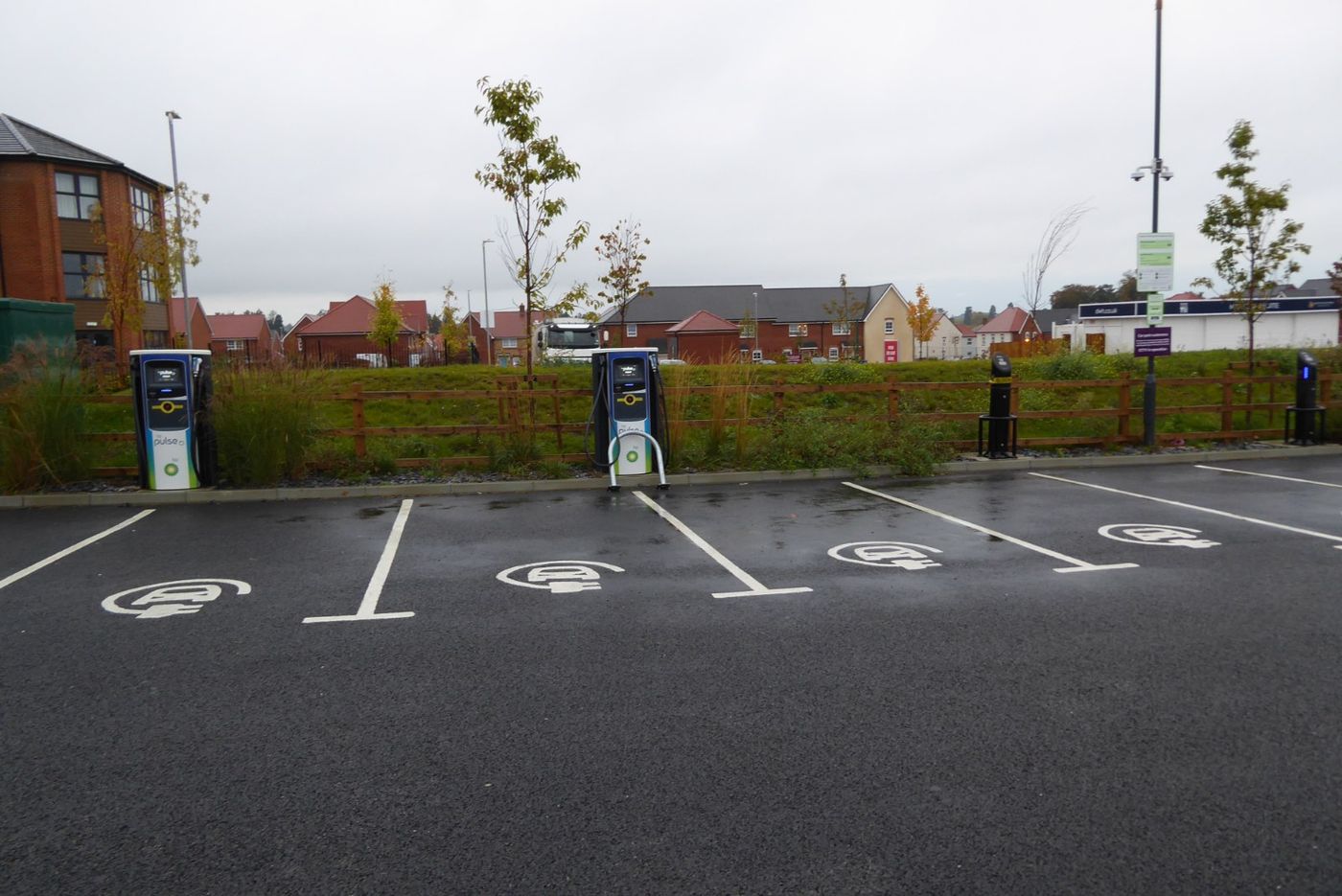
It causes 12,000 premature deaths a year on the Continent and disturbs the sleep of 20 million people. The fixes are cheap. The will is missing.
Outbreaks this year have clustered not in poor regions but in affluent urban districts where vaccination rates have quietly slipped below the threshold.
Europe is short about 1.2 million nurses. The way we staff the hours between midnight and 6 a.m. is a large part of why.
By the end of the year, every E.U. member must offer citizens a phone-based wallet for I.D., diplomas and prescriptions. Estonia and Italy are ahead; Germany is behind.
The Stoxx 600 rose 0.4 percent in afternoon trading, led by industrials. Bund yields were little changed ahead of next week's inflation data.
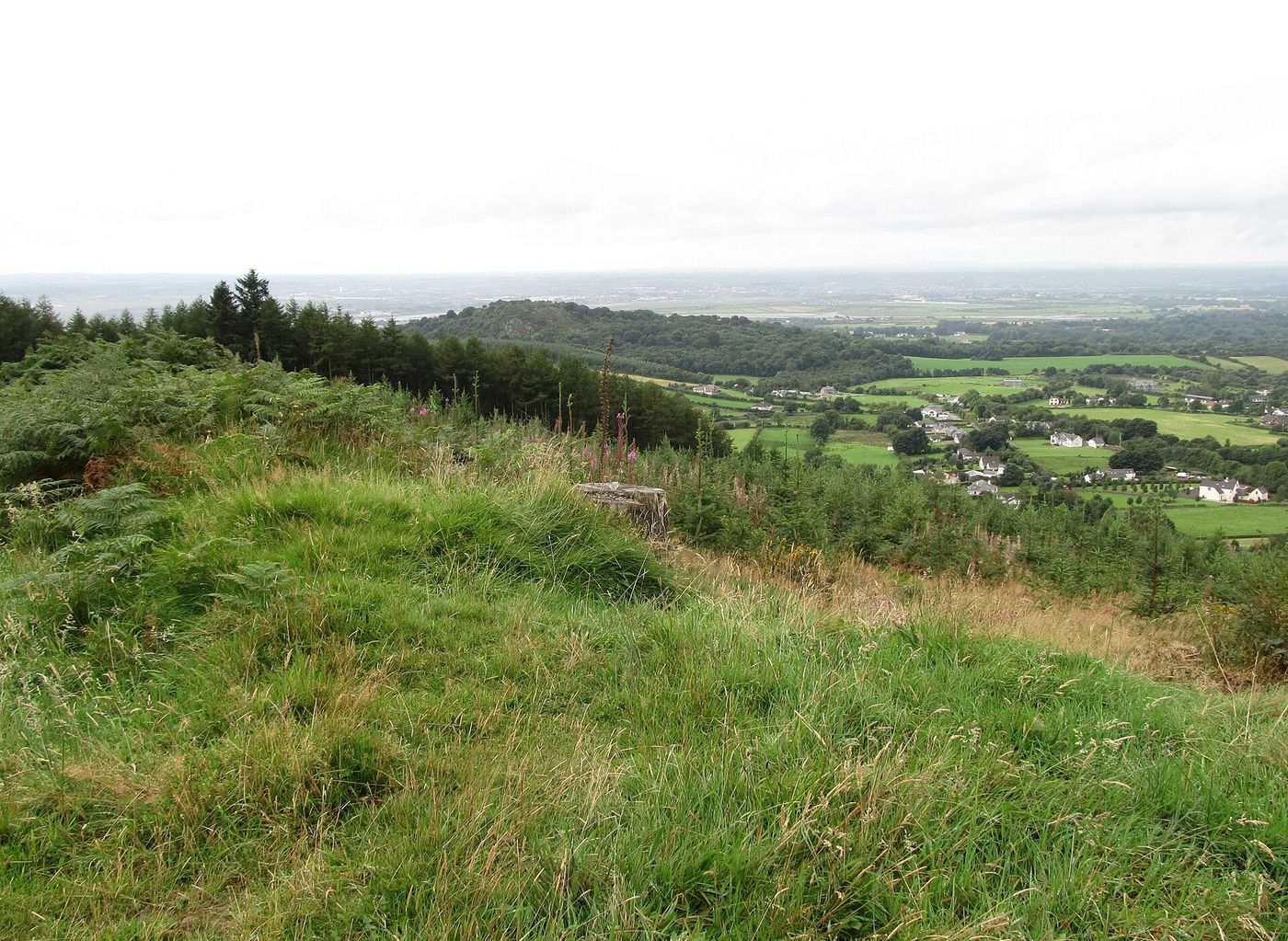
Six years after industrial peat harvesting ended, 18,000 hectares of cutaway bog have been rewetted. New measurements show the land has stopped leaking carbon and, in places, begun to store it again.
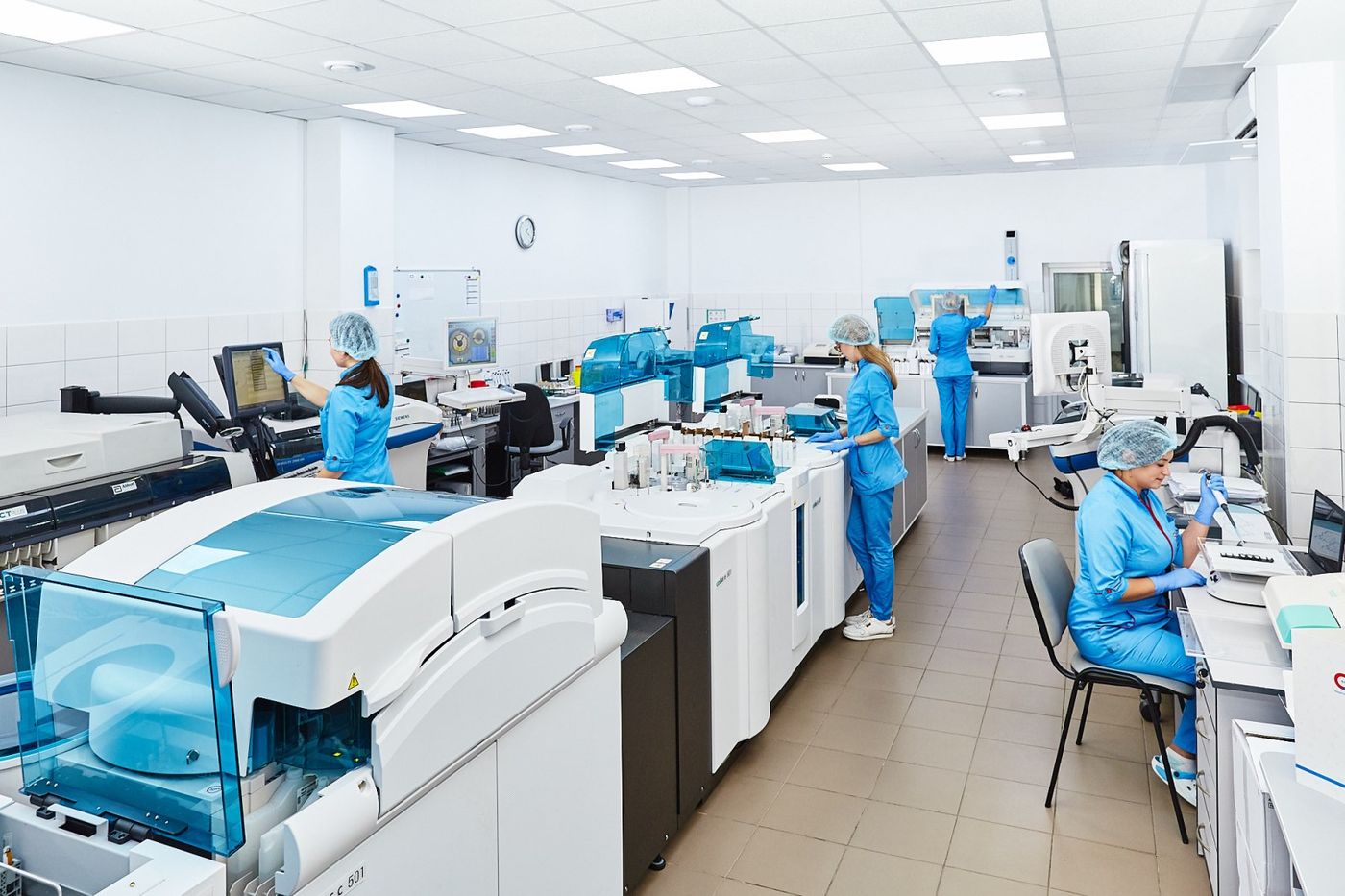
The test detected 71 percent of early-stage tumors in a study of 12,000 people at elevated risk. Researchers cautioned that false positives remain a concern.
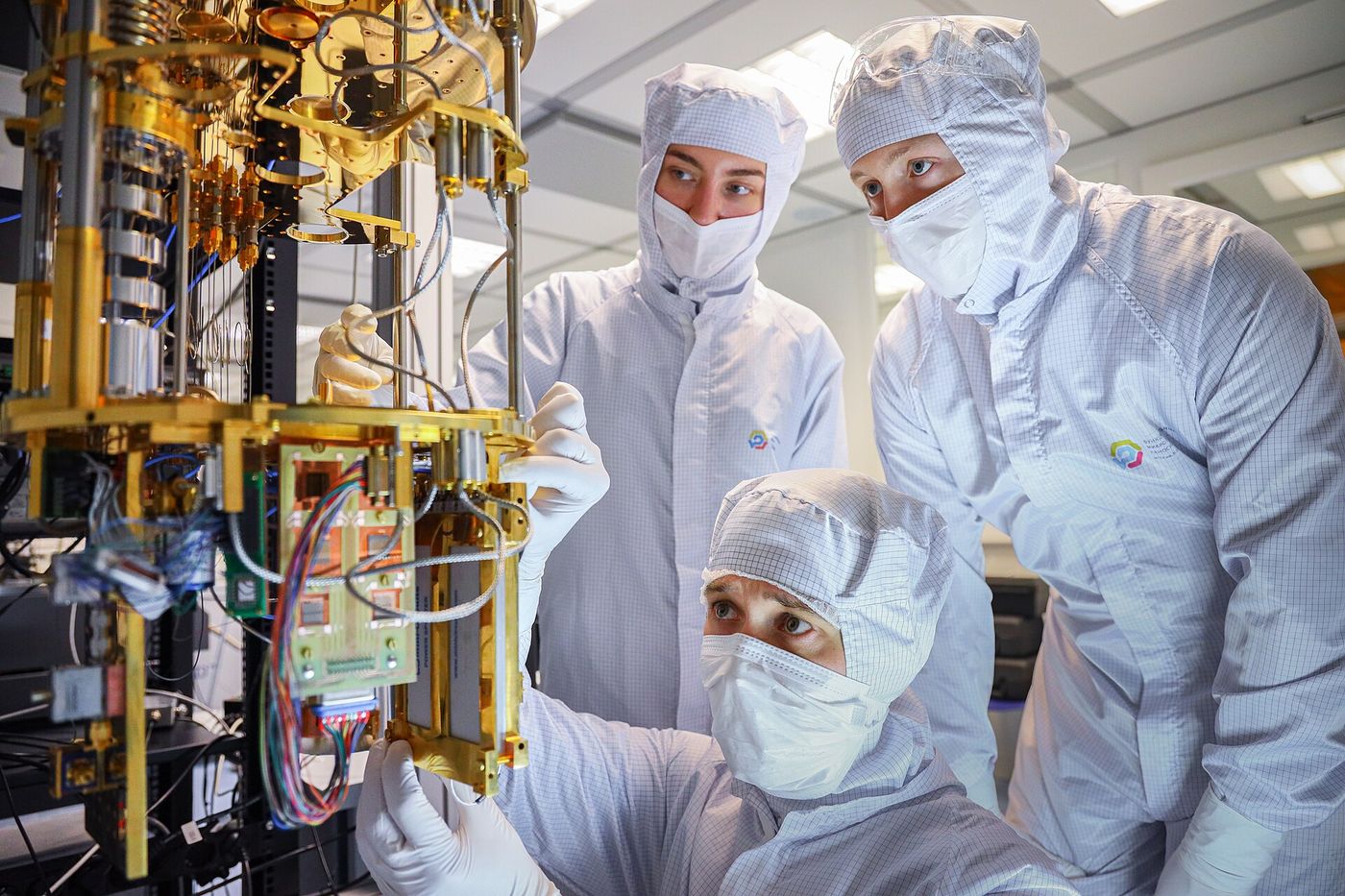
Orbital Qubits, spun out of a Delft university lab, says it will use the money to build a 1,000-qubit machine by 2029, as European governments scramble to keep quantum talent from leaving.
Europe's planemaker has quietly moved its zero-emission aircraft to the next decade. Engineers say the problem is not the engine but the tank.
The city’s first large-scale electric fleet promises cleaner air and fixed fares, but faces resistance from the operators of 20,000 privately run matatus.

Three new fabrication plants are rising in Saxony. The engineers to run them are harder to find than the subsidies that paid for them.

Shipments to the United States, the industry’s largest market, dropped 23 percent in September, and smaller brands in the Jura are cutting hours.
The voluntary scheme, meant to cut nitrogen pollution near protected nature areas, fell short of the government’s target but still marks the largest exit from Dutch livestock farming in a generation.
The next edition will be smaller, slower and less photographed, if its curator gets her way. Collectors are already nervous.
Denmark, France, Spain, Greece and Ireland will require platforms to verify that users are at least 15 using a common digital credential, in a pilot that could become binding across the European Union next year.
Inflation has fallen faster than almost anyone predicted. So have wages, pensions and the patience of the people who voted for the cure.
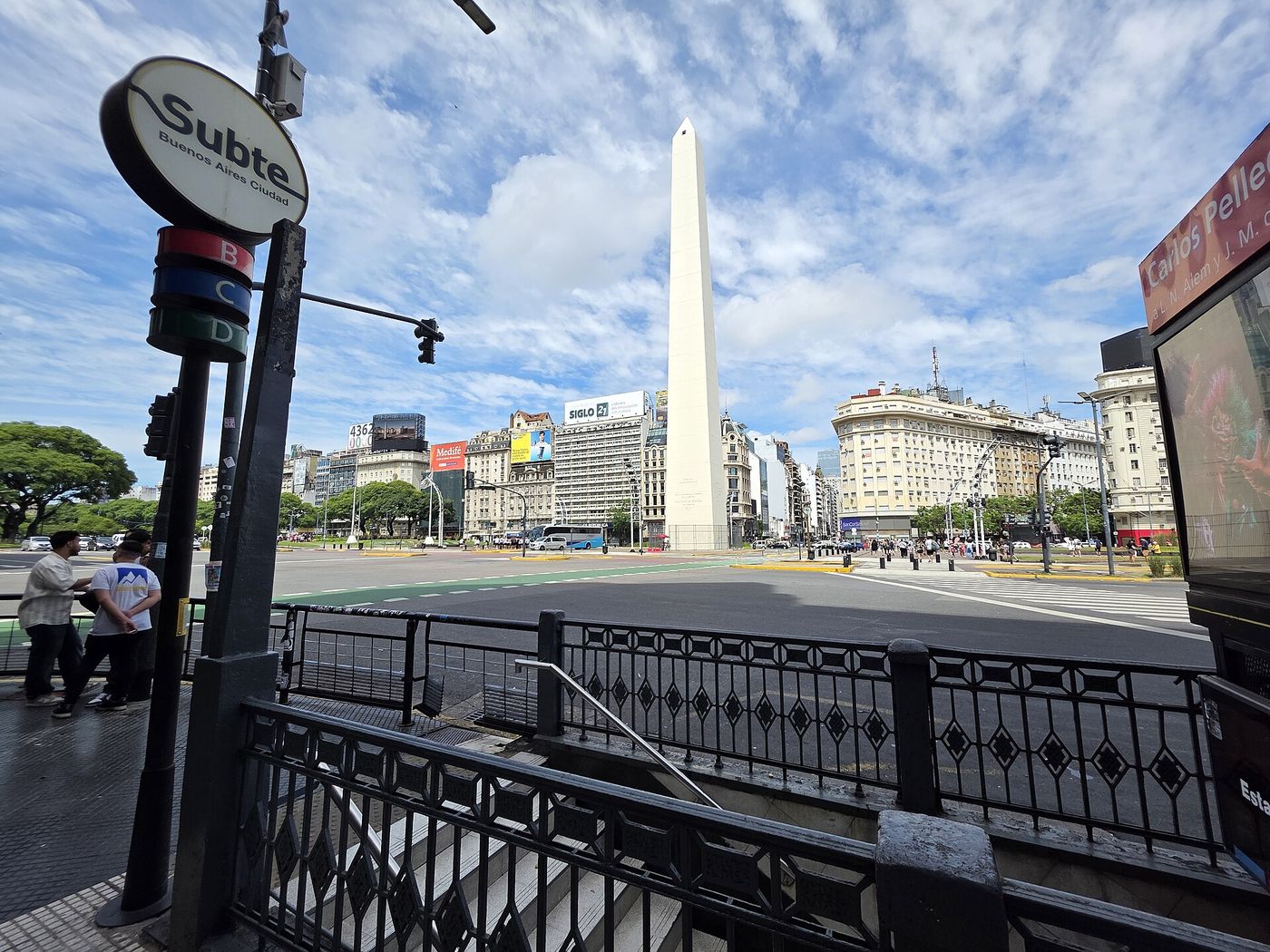
The Parliament voted to end the twice-yearly switch seven years ago. The only thing stopping it is a disagreement about which time to keep. Pick one.
After two difficult years, dealers reported steady sales at the fair in Regent’s Park, most of them below 100,000 pounds, as collectors favored works on paper and younger artists.

Iker Zubizarreta of Spain rode away on the Passo di Ganda with 32 kilometers to go and held off a chasing group of four to win the season’s last great one-day race.
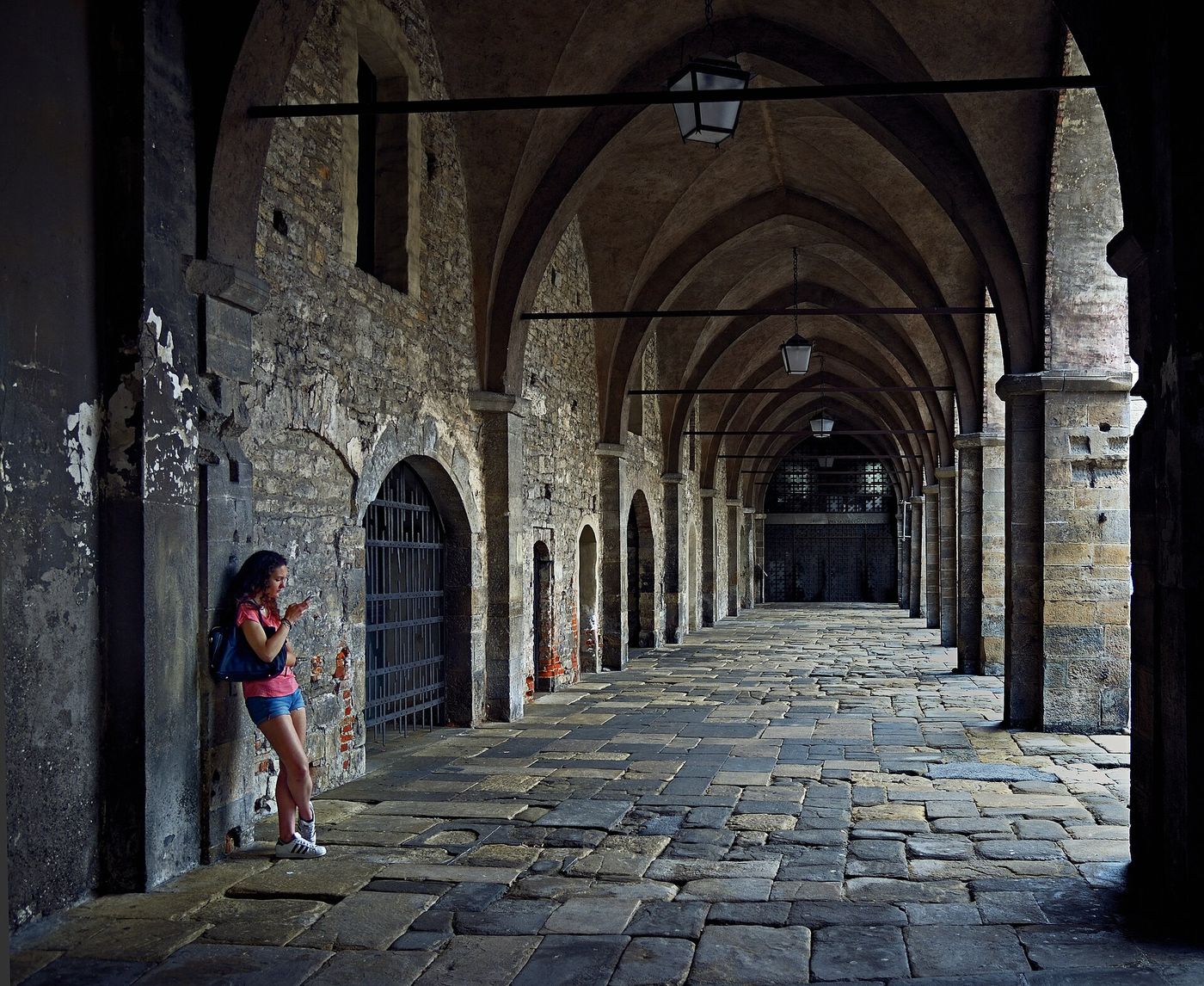
A European team caught the flare within hours of its onset and tracked it for 90 nights, producing the most complete record yet of a so-called tidal disruption event.
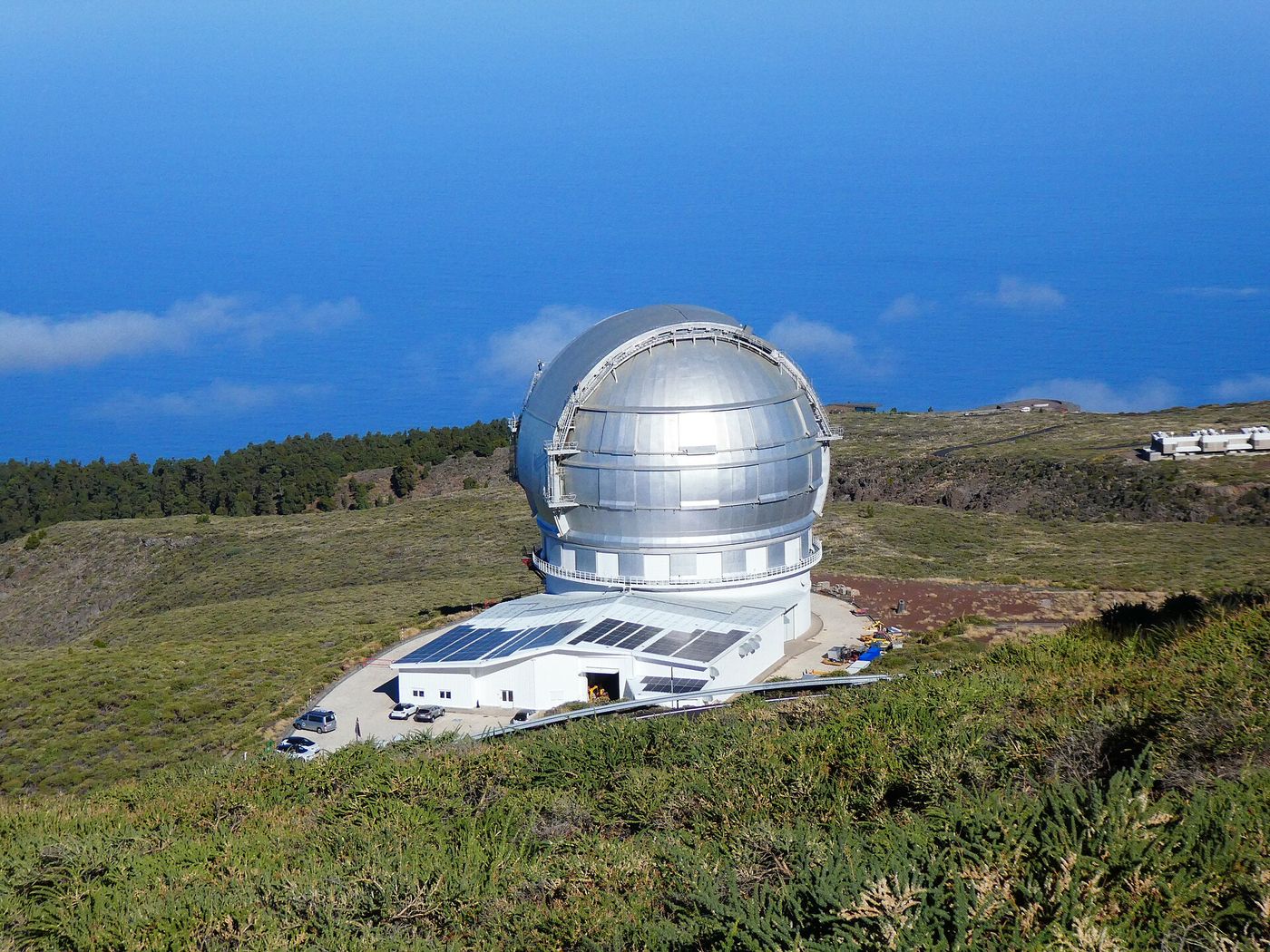
The fertility rate climbed to 0.84 from a record low of 0.72, but it remains the lowest in the world and far below what would stabilize the population.
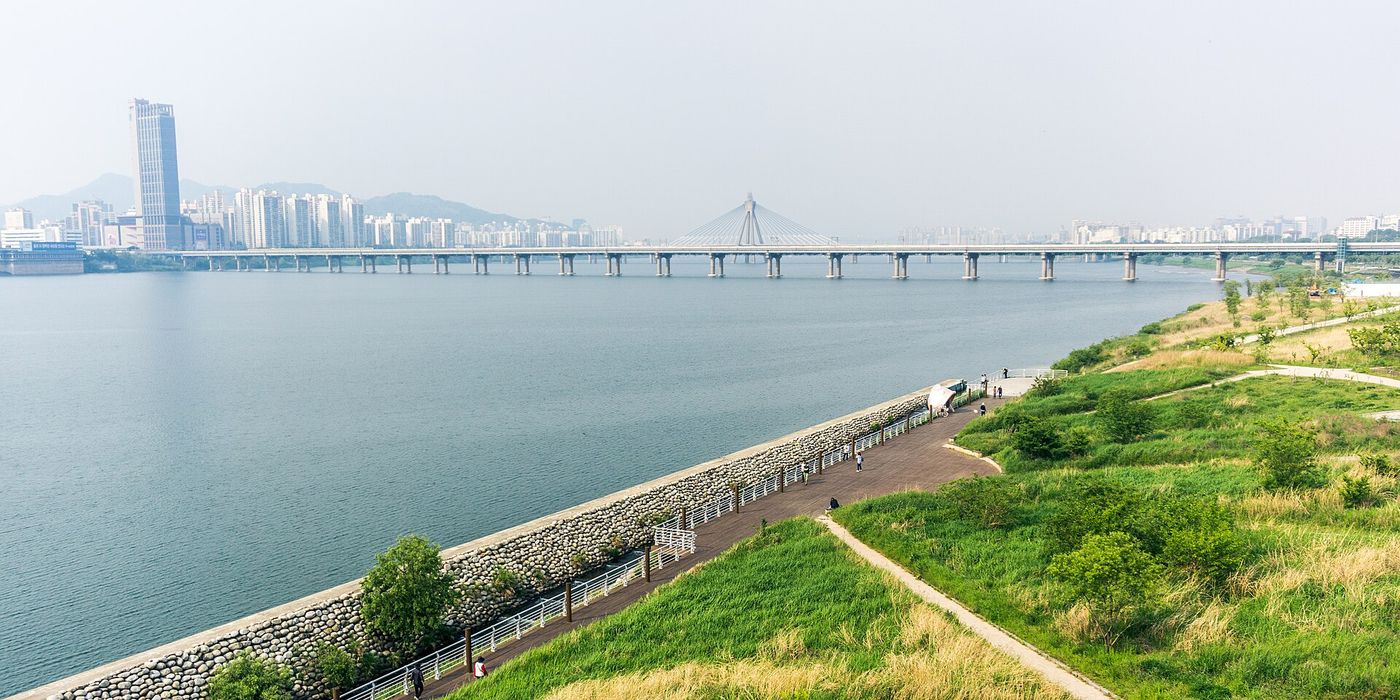
A dozen companies showed two-legged machines walking, waving and stacking boxes. Asked how many were earning their keep, most changed the subject.

Orders from abroad fell 14 percent this year as Chinese rivals moved upmarket, and the industry’s trade group warns of 20,000 job losses by 2028.
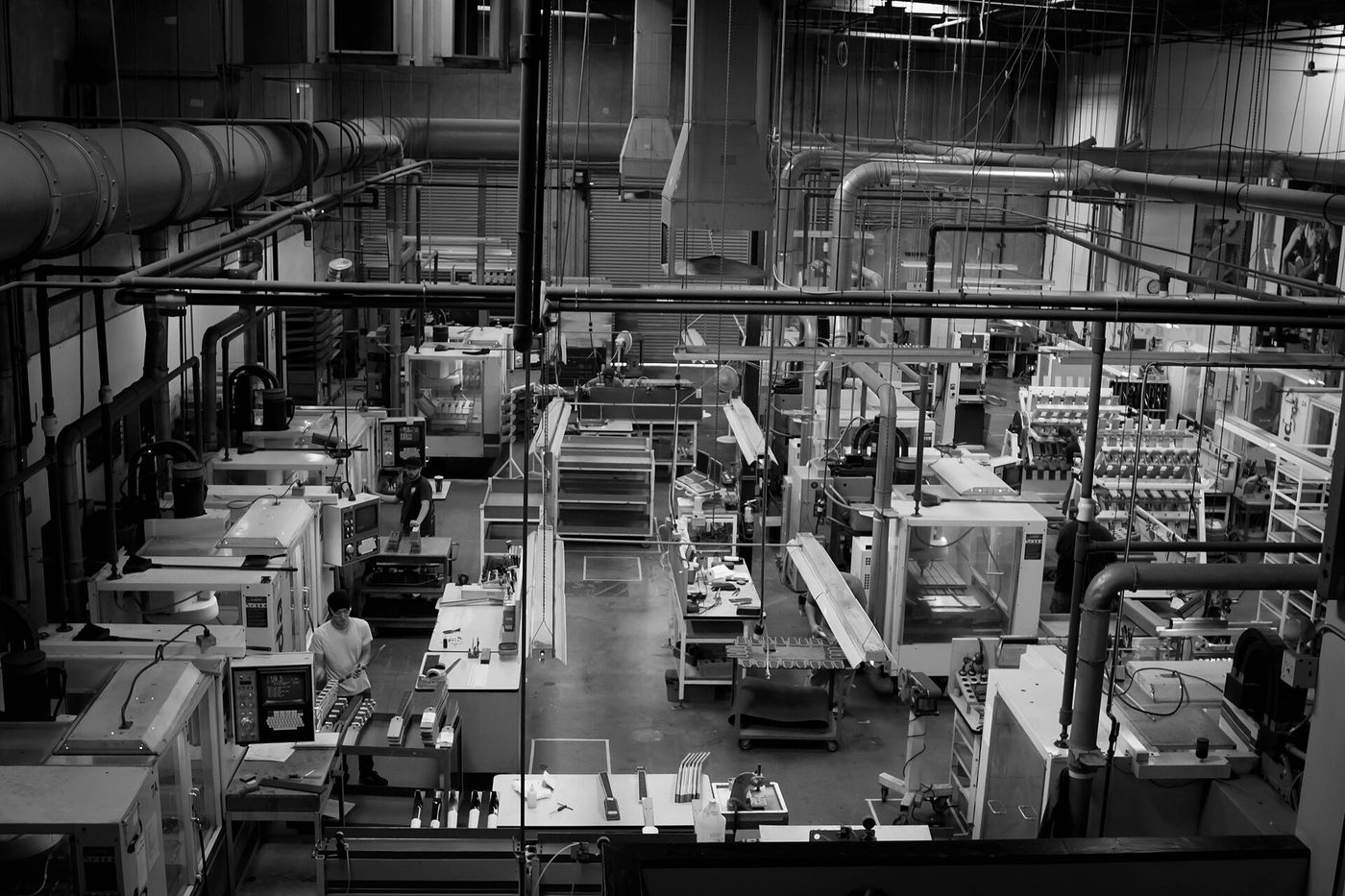
Built to drill two meters into the Martian surface, the rover has survived a cancelled partnership, a rebuilt landing system and three slipped windows.
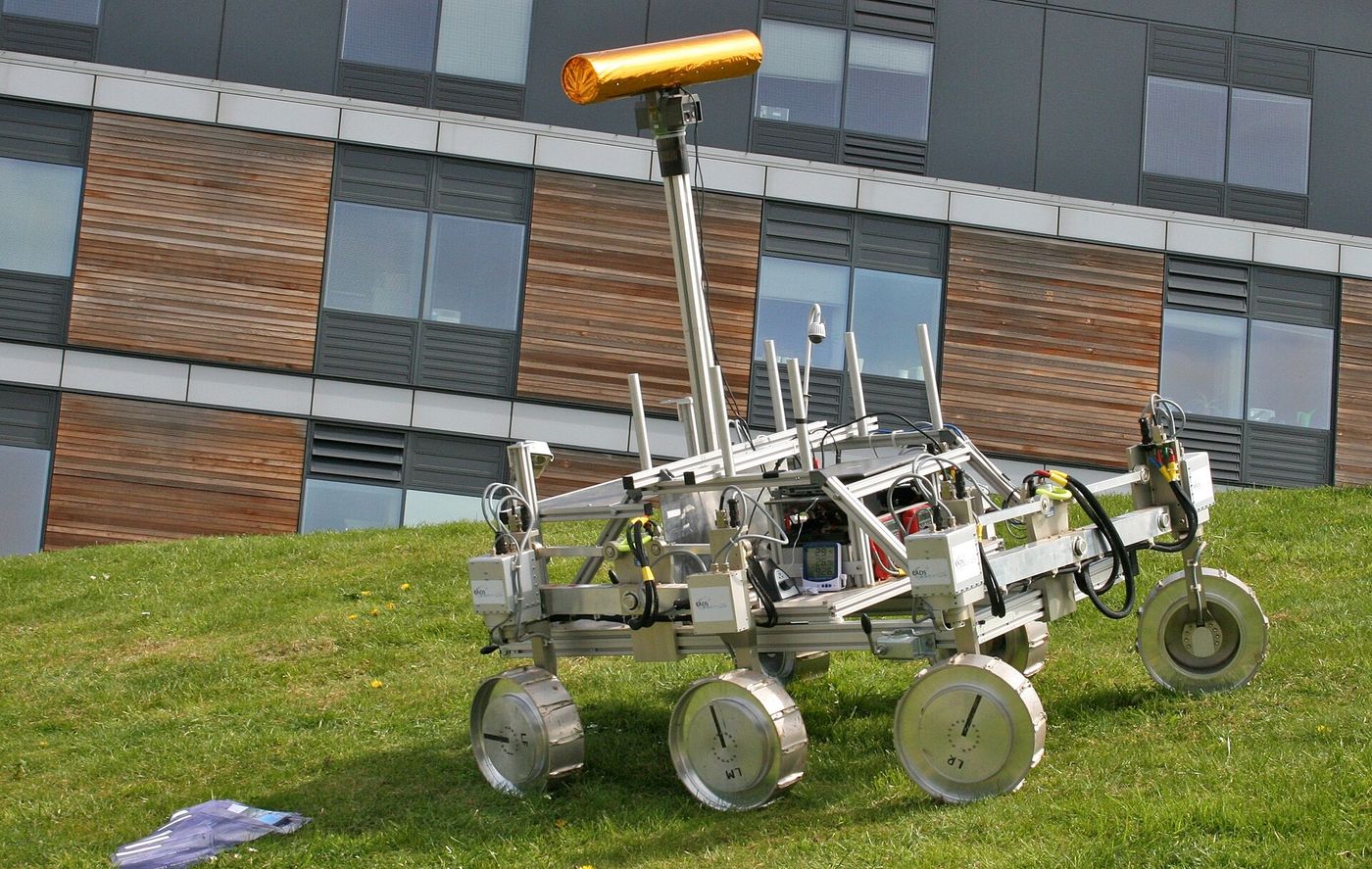
Tourist arrivals set records even as reservoirs on the Cyclades fell to historic lows, forcing Athens to approve emergency funding for 31 new plants.
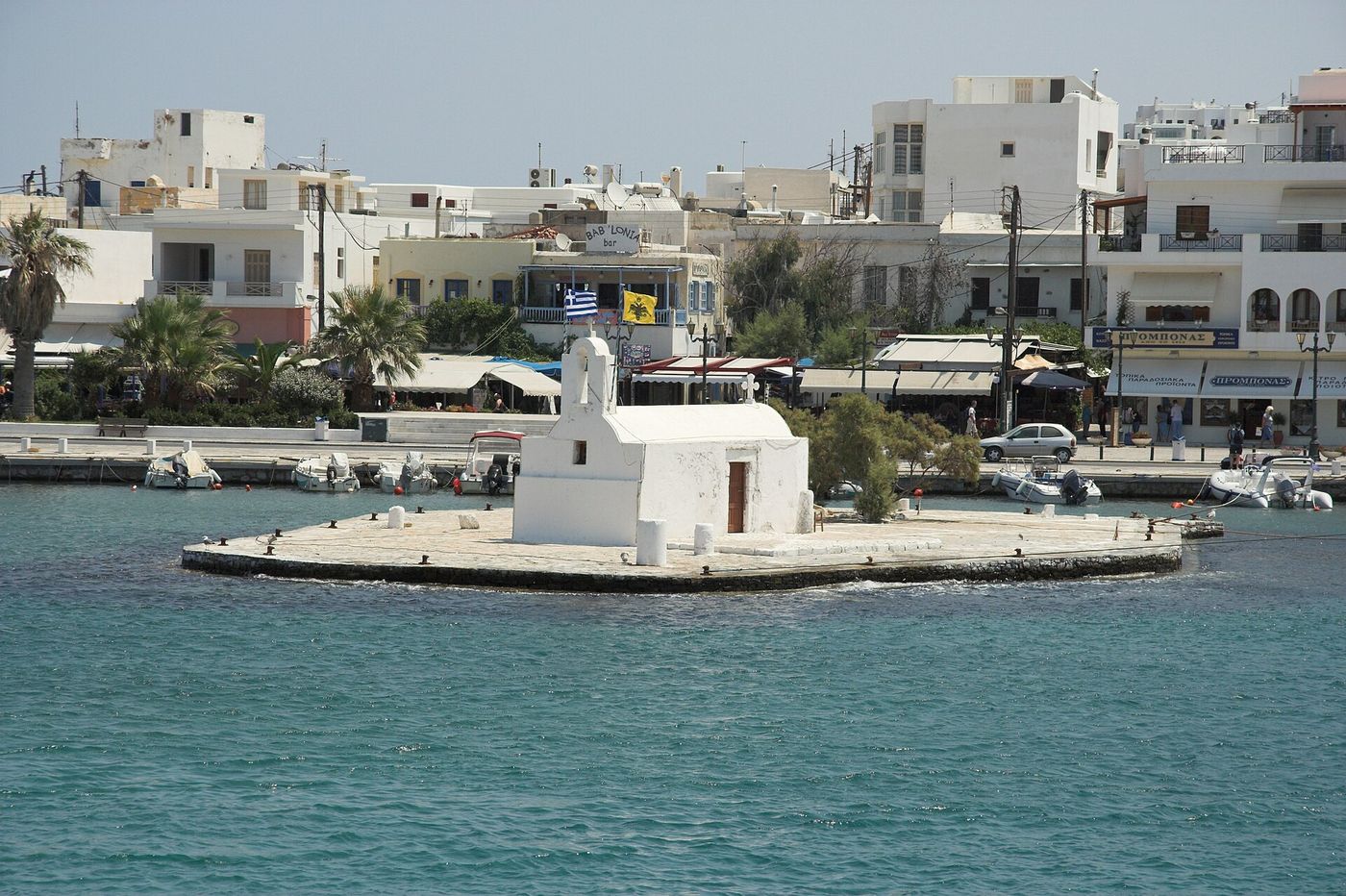
Not every public service needs to be optimized. Some of them need to be kept.
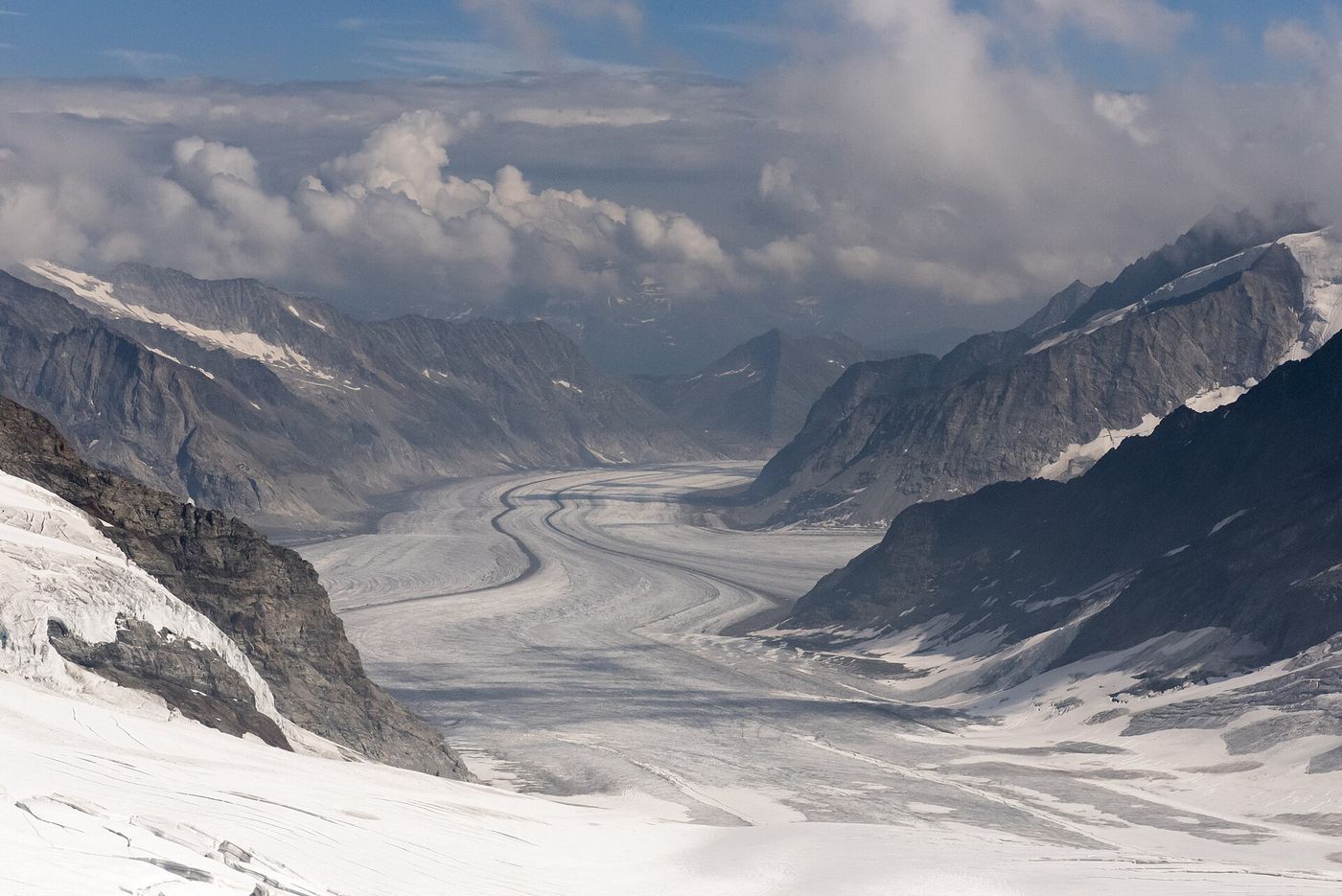
The largest glacier in the Alps has retreated more in the last five years than in the previous twenty. Scientists say the rate is still accelerating.
Dutch and Nordic funds have trimmed allocations as defaults rise and returns converge with cheaper public bonds, a shift that could squeeze a $1.9 trillion industry.
A city that once had more than 100 public saunas and fell to a handful has opened nine new ones in five years. On weekend evenings, you need a reservation.
The barrier covers the most sensitive stretches of a 1,340-kilometer frontier that has been closed to traffic since late 2023.
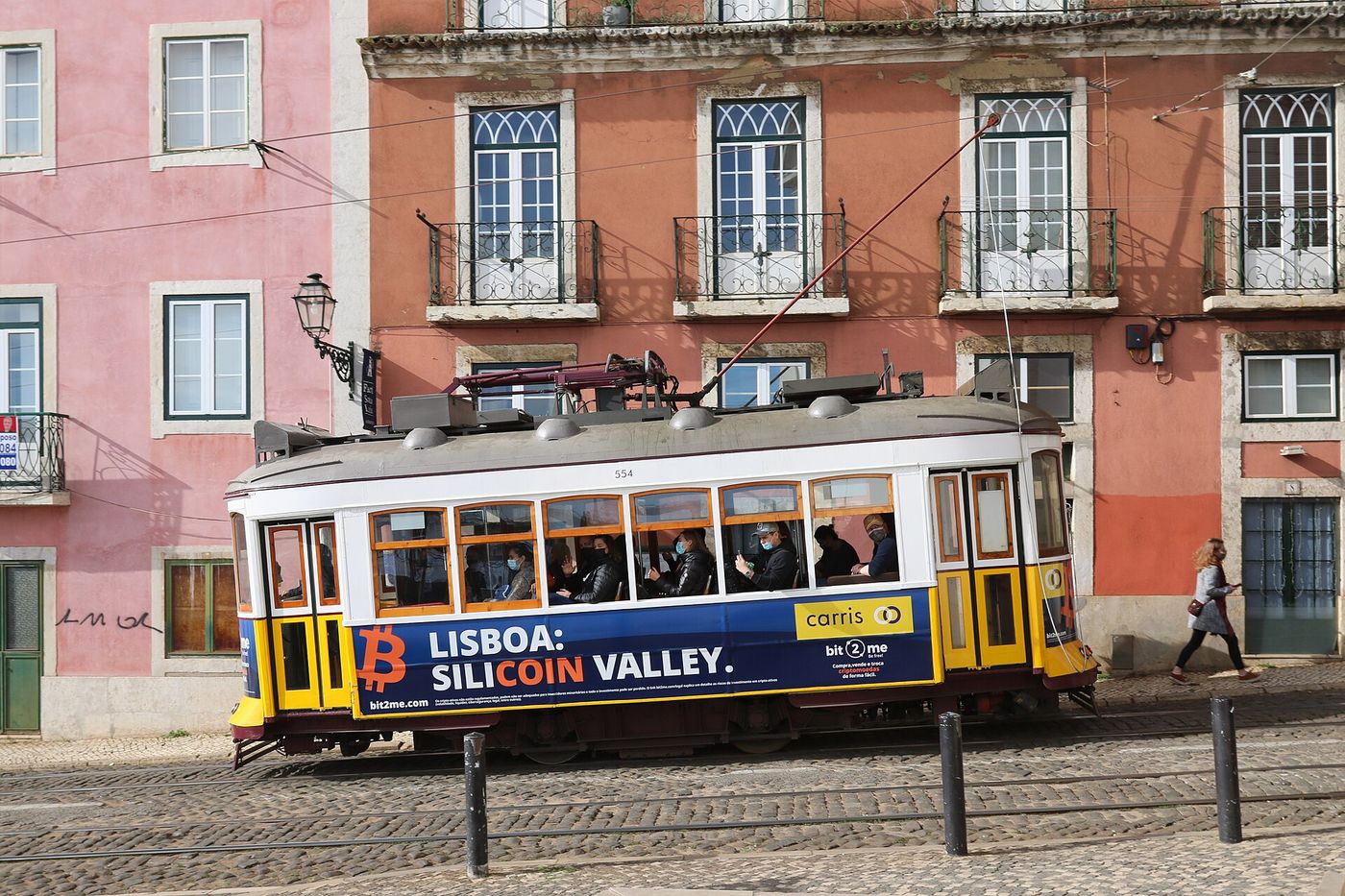
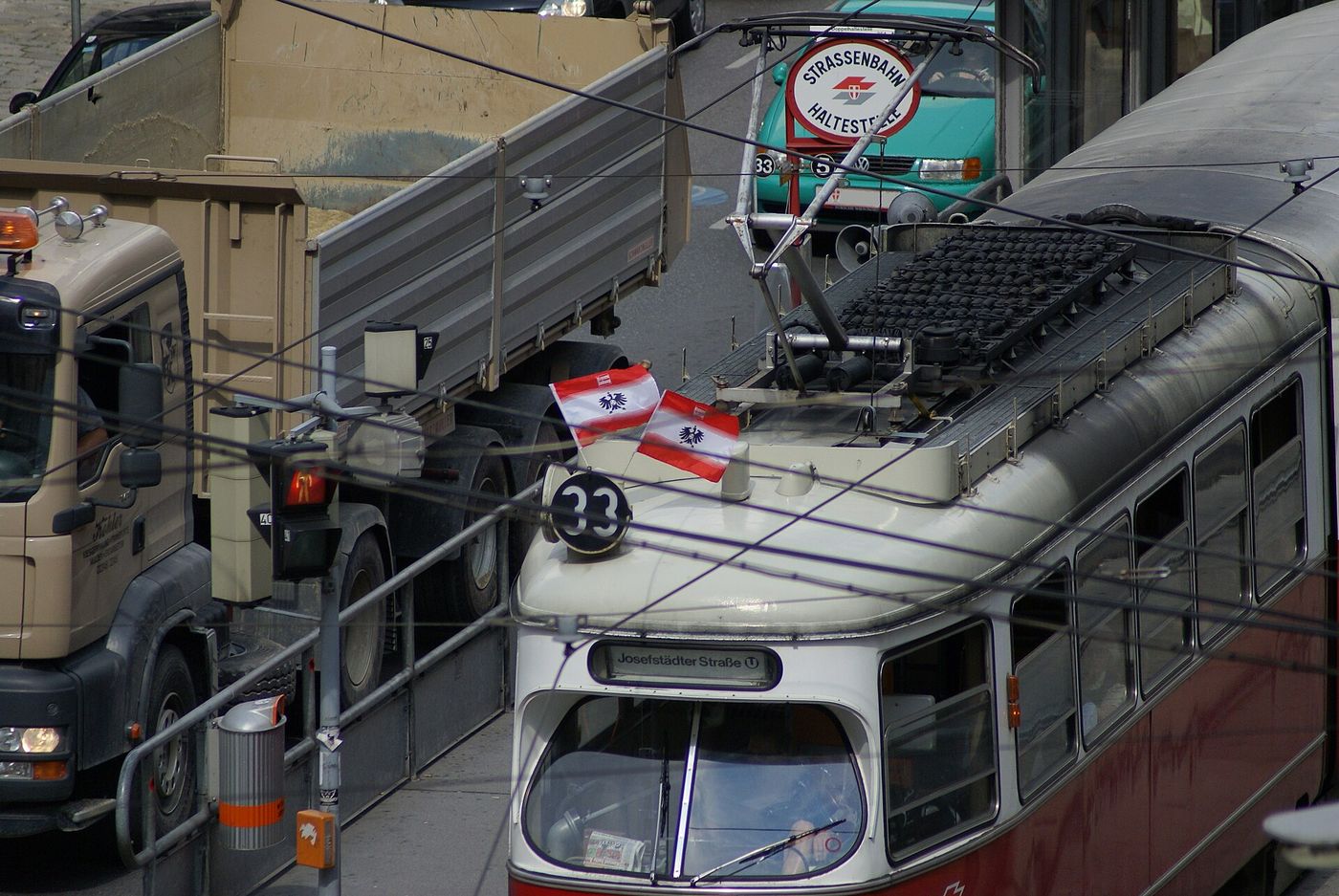
The city still runs streetcars built in the 1970s on its busiest lines, and has no plans to stop. Riders would not have it any other way.
Deposit-return systems collect more than 90 percent of bottles where they exist. The E.U. should stop treating them as a national option.
After two failed rainy seasons, Sifnos’s reservoir stands at 9 percent. Tankers from the mainland cost more than ten times what desalinated water would.
Being first to write the rules is only an advantage if the rules are good.
Freight costs from Asia to Europe have fallen by half since January, and carriers that ordered ships during the pandemic boom are now scrapping, idling and slow-steaming to cope.
Thirty-eight small prints preserved under a crust of calcite point to a group of young children who walked, ran and apparently jumped in a cave chamber some 112,000 years ago.
A government evaluation found measurable gains in reading scores and a drop in reported bullying, though researchers caution that the ban coincided with other reforms.
Clearing dropped 22 percent in the year through July, but scientists warn that fires and degradation are rising even as outright clearing slows.

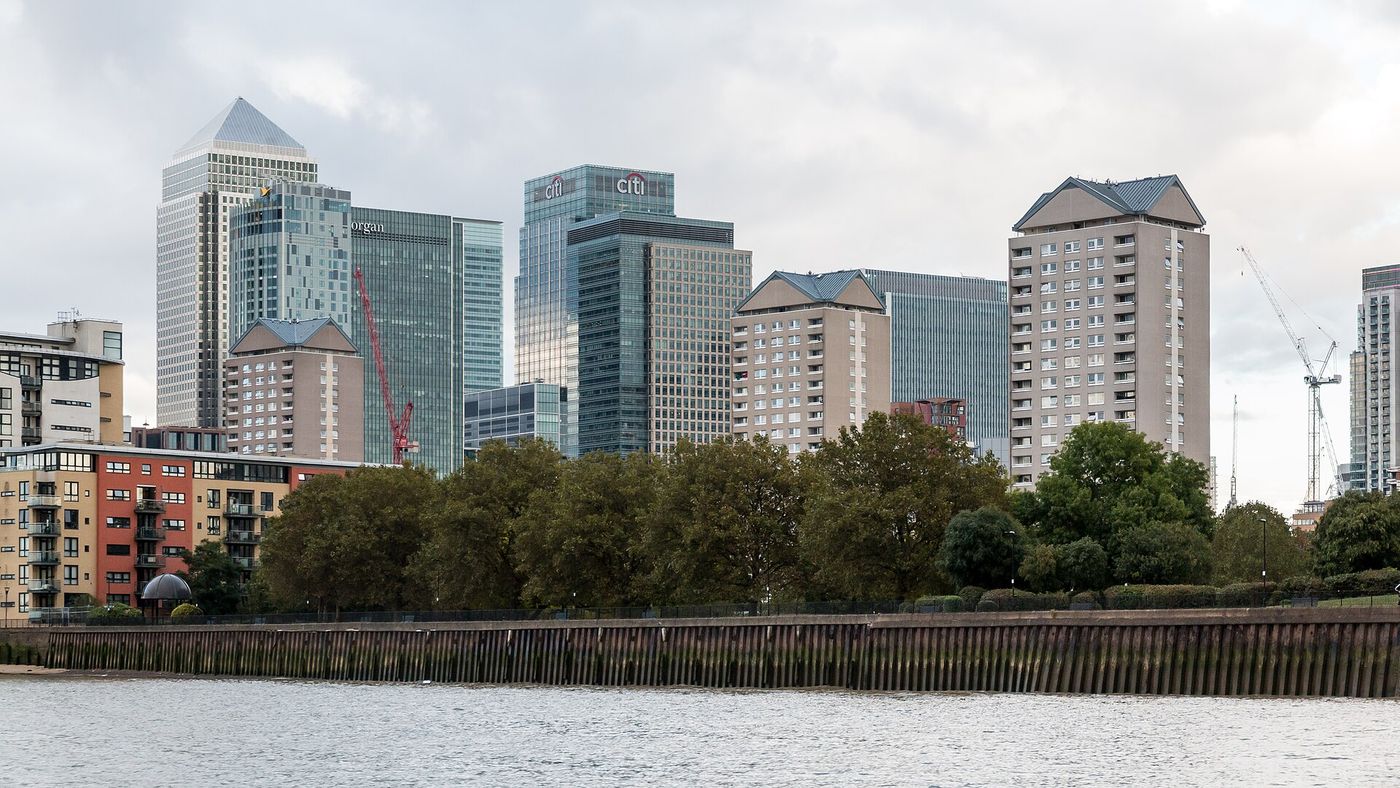
Planning applications to convert commercial buildings to housing have tripled since 2023, but the economics work only for the oldest towers in the least fashionable districts.
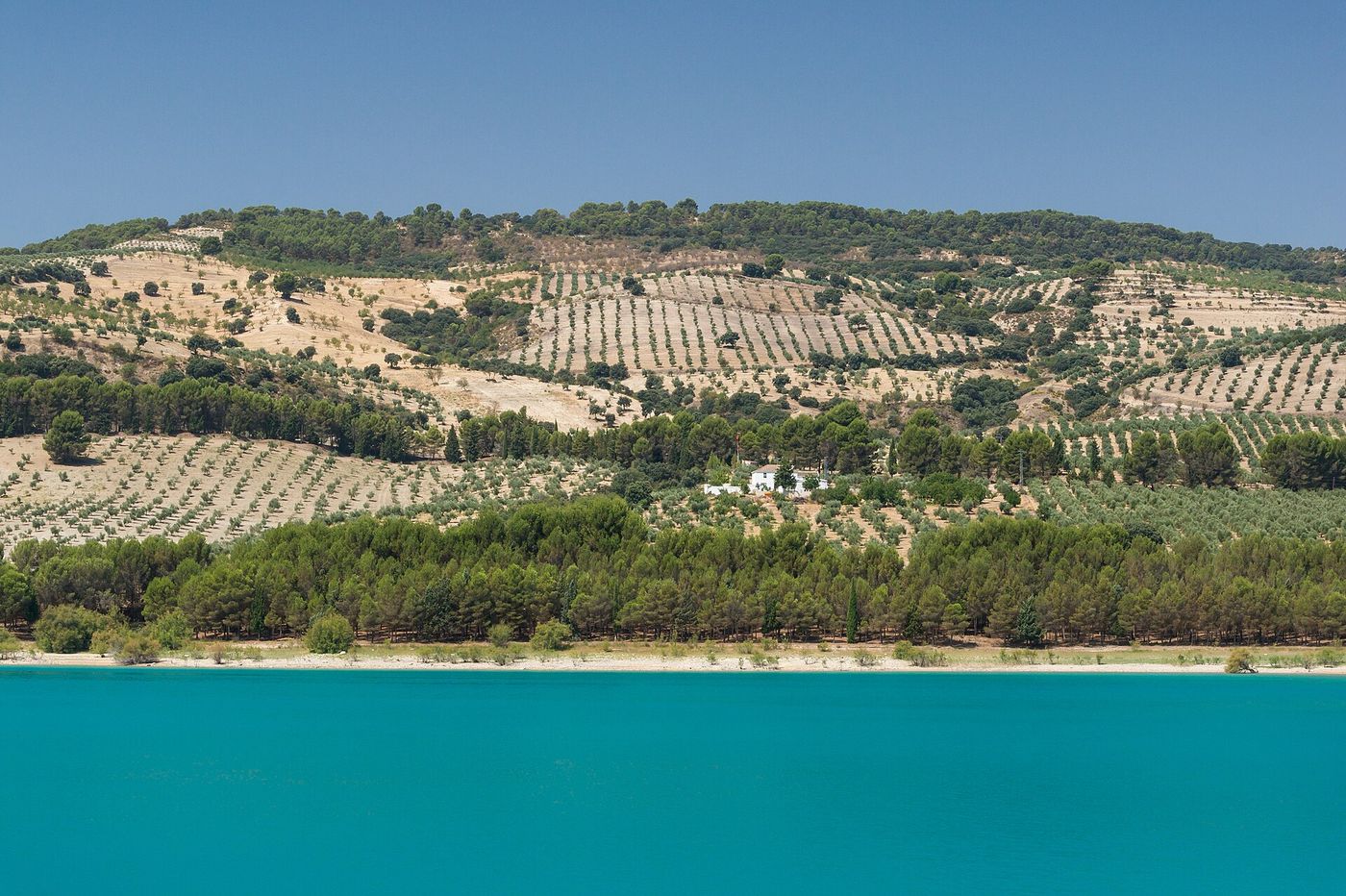
Two drought years pushed olive oil to record prices. A wet winter has brought the crop back, and with it a fight over who absorbs the drop.
Applications to connect new computing facilities now exceed the spare capacity of several national grids. Utilities are starting to say no.

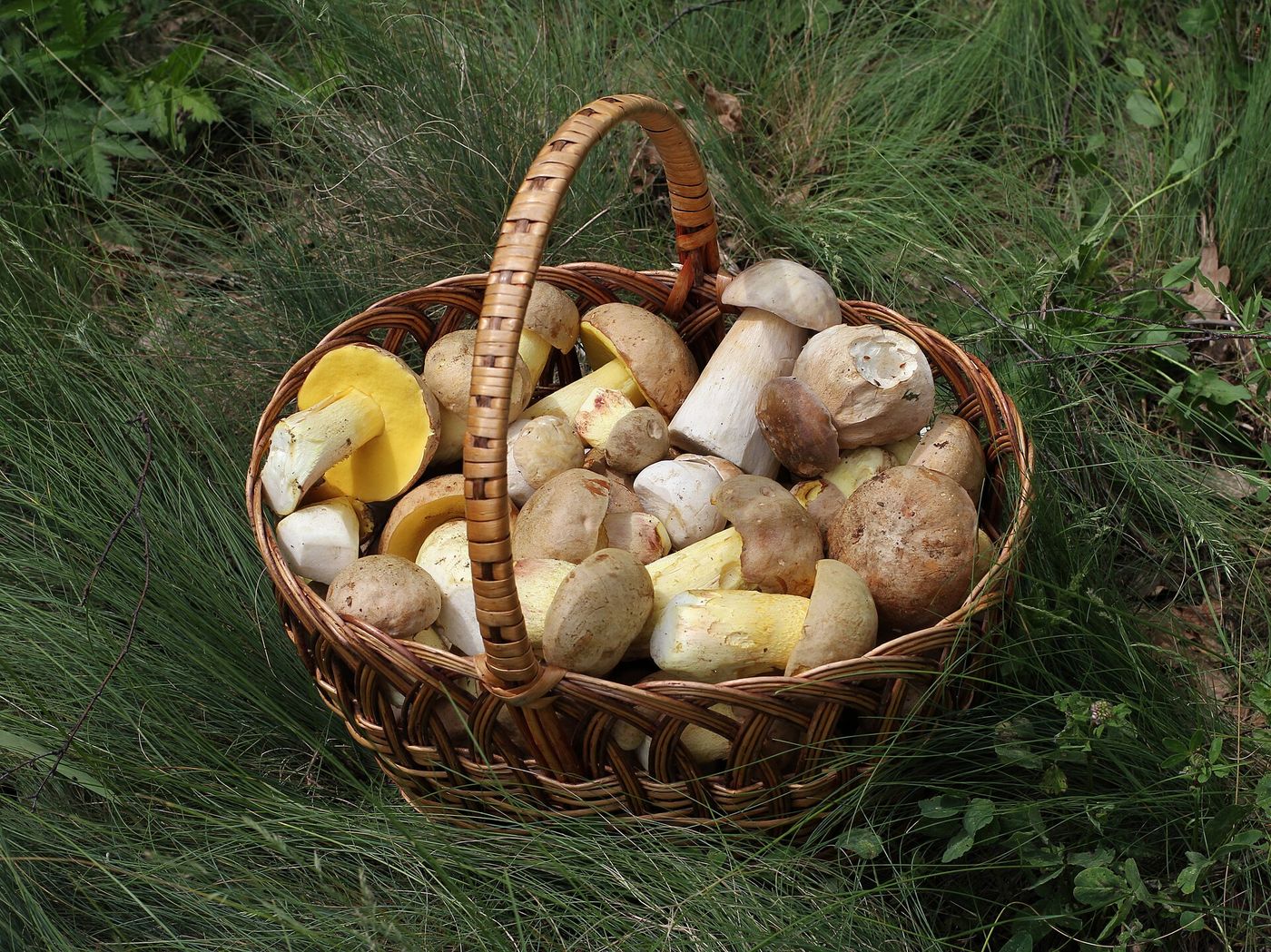
About seven in ten Czechs forage for mushrooms each year. A wet September has produced one of the best seasons in a decade, and the Mycological Society’s advice line is handling 200 calls a day.
The city council approved a measure that will revoke permits in its most saturated neighborhoods over three years, the toughest step yet by a European capital against tourist apartments.