DELFT, the Netherlands — A quantum computing start-up spun out of the Delft University of Technology said on Friday that it had raised 640 million euros, about $690 million, from a consortium of European and Gulf investors, the largest funding round for a European deep-technology company this year and a signal that the continent’s governments and investors are prepared to spend heavily to keep quantum research from migrating to the United States.
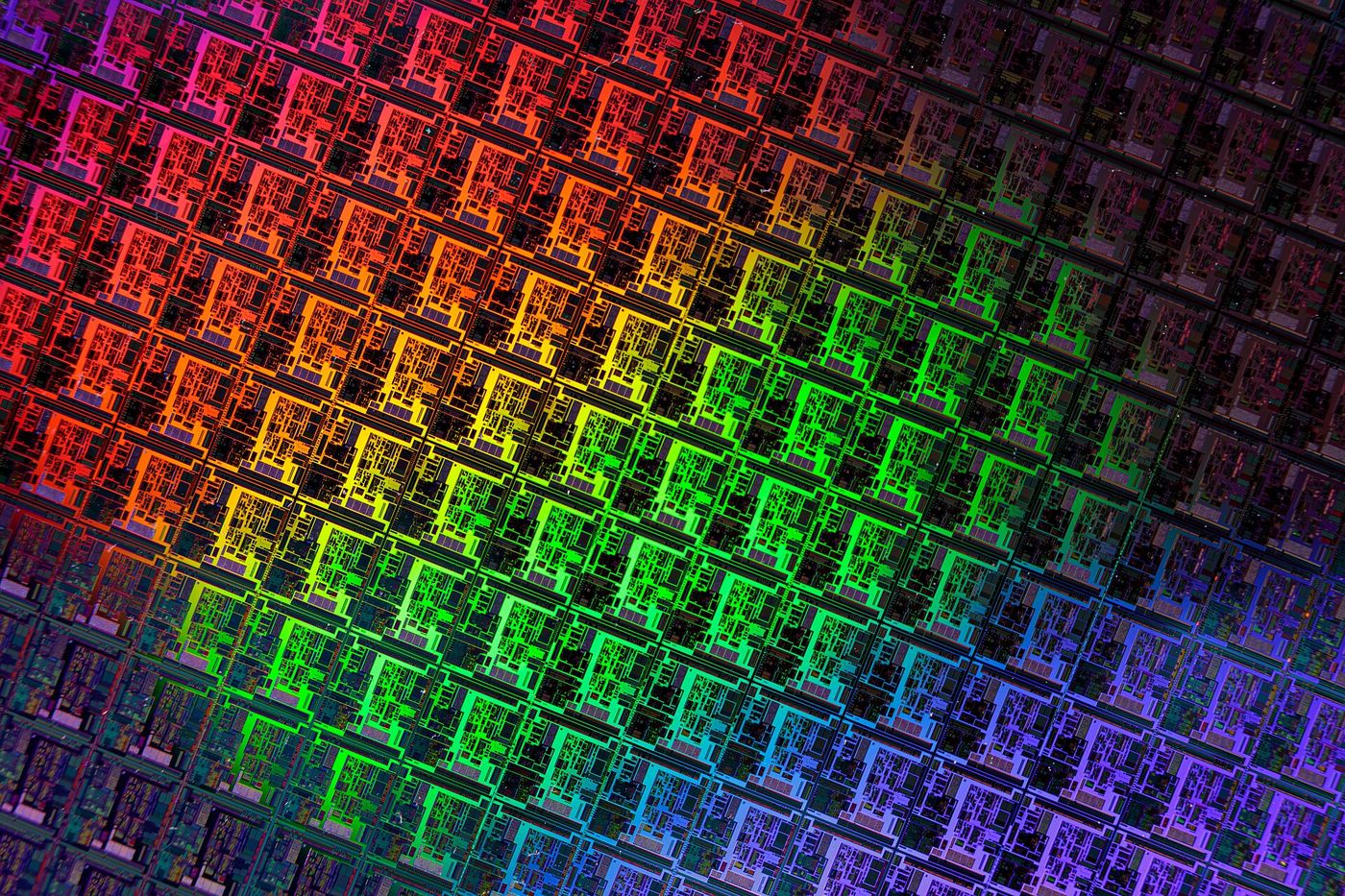
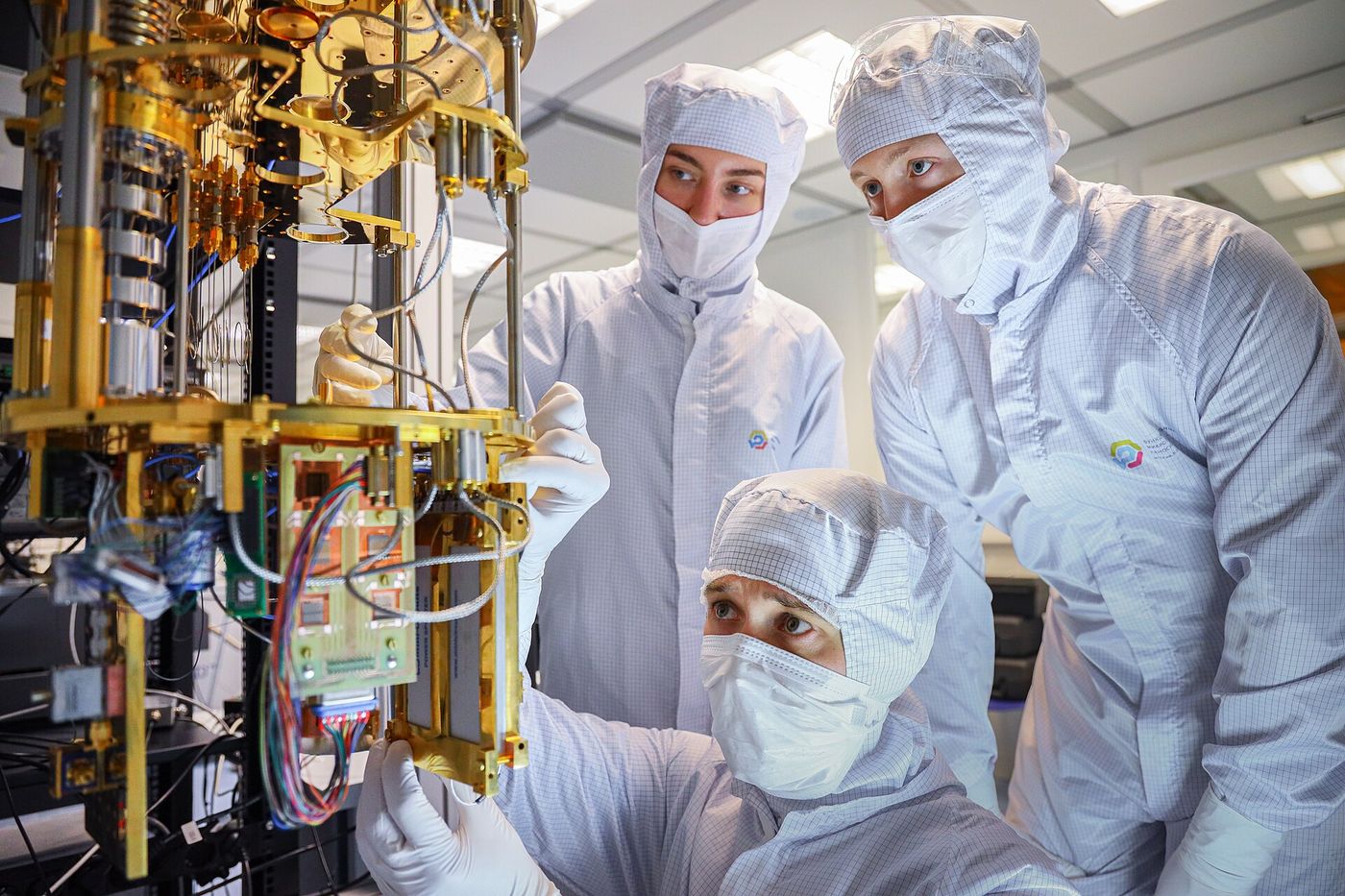
The company, Orbital Qubits, develops quantum processors based on spin qubits in silicon, an approach that uses manufacturing techniques borrowed from conventional chip fabrication and that its founders argue can scale more readily than the superconducting circuits favored by the largest American efforts. The company currently operates a 120-qubit prototype and said it would use the new capital to build a 1,000-qubit machine by 2029 and to expand from 210 employees to about 600.
“The question in quantum is not who has the most qubits today, it is who can make a million of them that work,” said the chief executive, Dr. Lotte Vermeer, a physicist who co-founded the company in 2021. “Silicon is the only material humanity has ever learned to make a billion of anything in. We are betting on that.”
The round was led by a Dutch state investment fund and the European Investment Bank’s venture arm, with participation from a sovereign wealth fund in Abu Dhabi, two German family offices and a large Dutch pension fund. The Dutch government separately announced a 200 million euro commitment to a quantum fabrication facility in Delft that the company will anchor.
The scale of the investment reflects anxiety in European capitals that the continent, which produces a disproportionate share of the world’s quantum physics doctorates, has repeatedly watched its most promising companies move or sell to American buyers. At least three European quantum start-ups have relocated their headquarters to the United States since 2023, citing access to capital and customers.
“Europe trained these people, and then it lost them,” said Dr. Ingrid Haverkamp, who directs quantum policy at the Dutch Ministry of Economic Affairs. “This round is designed to make staying the rational choice.”
Skeptics note that no quantum computer has yet performed a commercially useful calculation that a classical computer could not, and that the field’s timelines have slipped repeatedly. “The technology is real and the physics is beautiful, but 640 million euros is a very large bet on a machine that does not yet exist to solve problems that have not yet been fully specified,” said Prof. Jonas Lindgren, a computer scientist at Chalmers University in Gothenburg. “That is not a criticism. It is just what this is.”
Dr. Vermeer said the company’s first paying customers were chemical and pharmaceutical firms using its existing machine for materials simulations. “They are not paying for answers yet,” she said. “They are paying to be first in line when the answers come.”
A version of this article appears in print on Oct. 11, 2026, Section A, Page 2 of the European edition with the headline: Dutch Quantum Start-Up Raises 640 Million Euros in Europe’s Largest Deep-Tech Round of the Year.