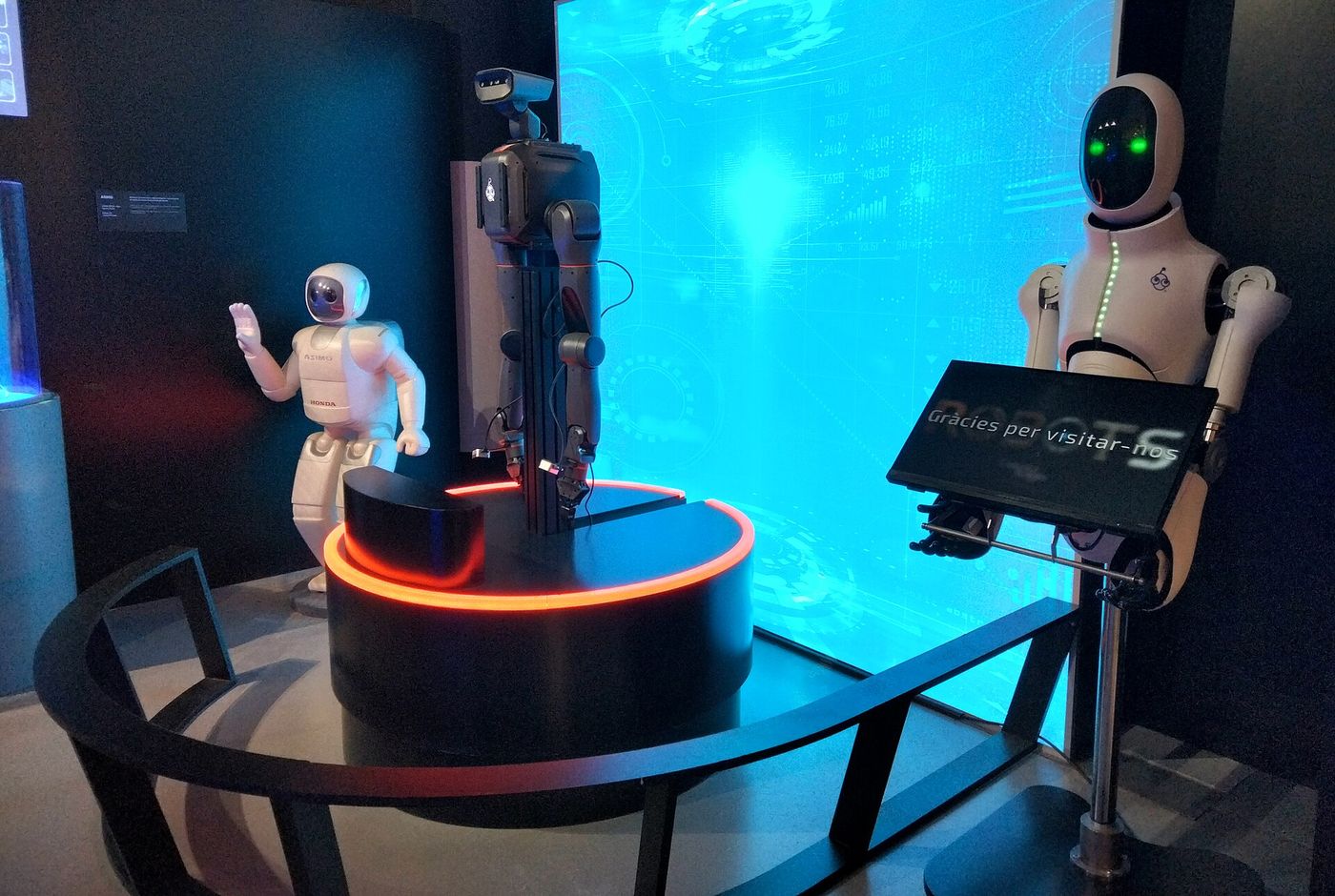
Europe's Satellite Internet Constellation Launches Its First Batch
Thirty satellites went up from French Guiana on Friday, the start of a network meant to give governments an alternative to American providers.
10 articles
Thirty satellites went up from French Guiana on Friday, the start of a network meant to give governments an alternative to American providers.
Foresight Research, a young research firm, is positioning itself as the OpenAI of trading. Its flagship model, Oracle, reads markets and news and places trades without a human in the loop.
A new framework would require every drone above 250 grams to broadcast its position, and would give cities the power to declare no-fly corridors in minutes rather than months.

Lumière Labs published the weights of its 400-billion-parameter model under a license allowing commercial use, intensifying a debate in Europe over open A.I. and the Continent’s dependence on American platforms.
From February 2027, every portable device sold in the bloc must have a battery that users can swap with common tools. Repair shops are delighted; engineers say waterproofing is the hard part.

By the end of the year, every E.U. member must offer citizens a phone-based wallet for I.D., diplomas and prescriptions. Estonia and Italy are ahead; Germany is behind.
Orbital Qubits, spun out of a Delft university lab, says it will use the money to build a 1,000-qubit machine by 2029, as European governments scramble to keep quantum talent from leaving.
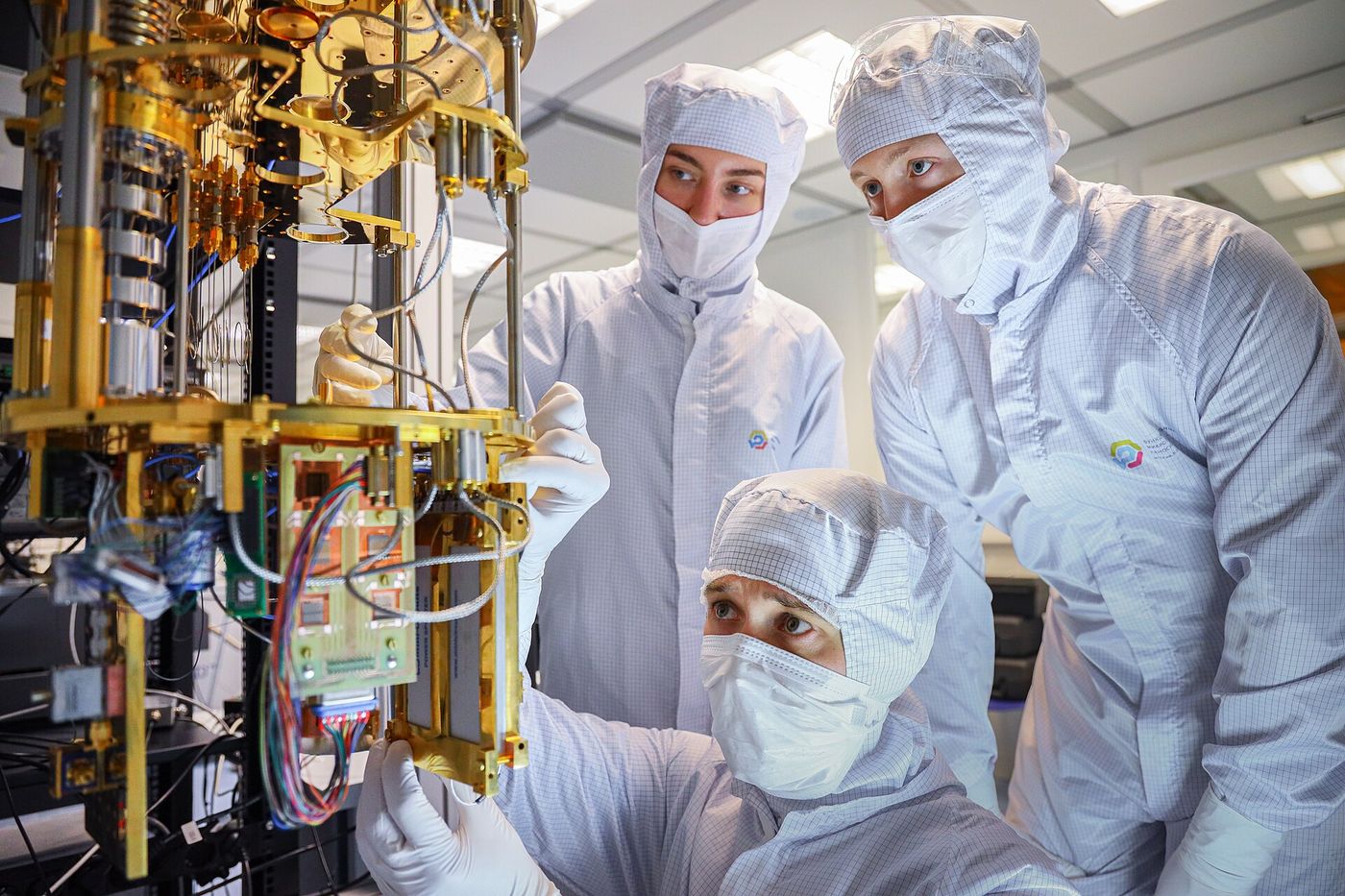
Three new fabrication plants are rising in Saxony. The engineers to run them are harder to find than the subsidies that paid for them.

Denmark, France, Spain, Greece and Ireland will require platforms to verify that users are at least 15 using a common digital credential, in a pilot that could become binding across the European Union next year.
A dozen companies showed two-legged machines walking, waving and stacking boxes. Asked how many were earning their keep, most changed the subject.