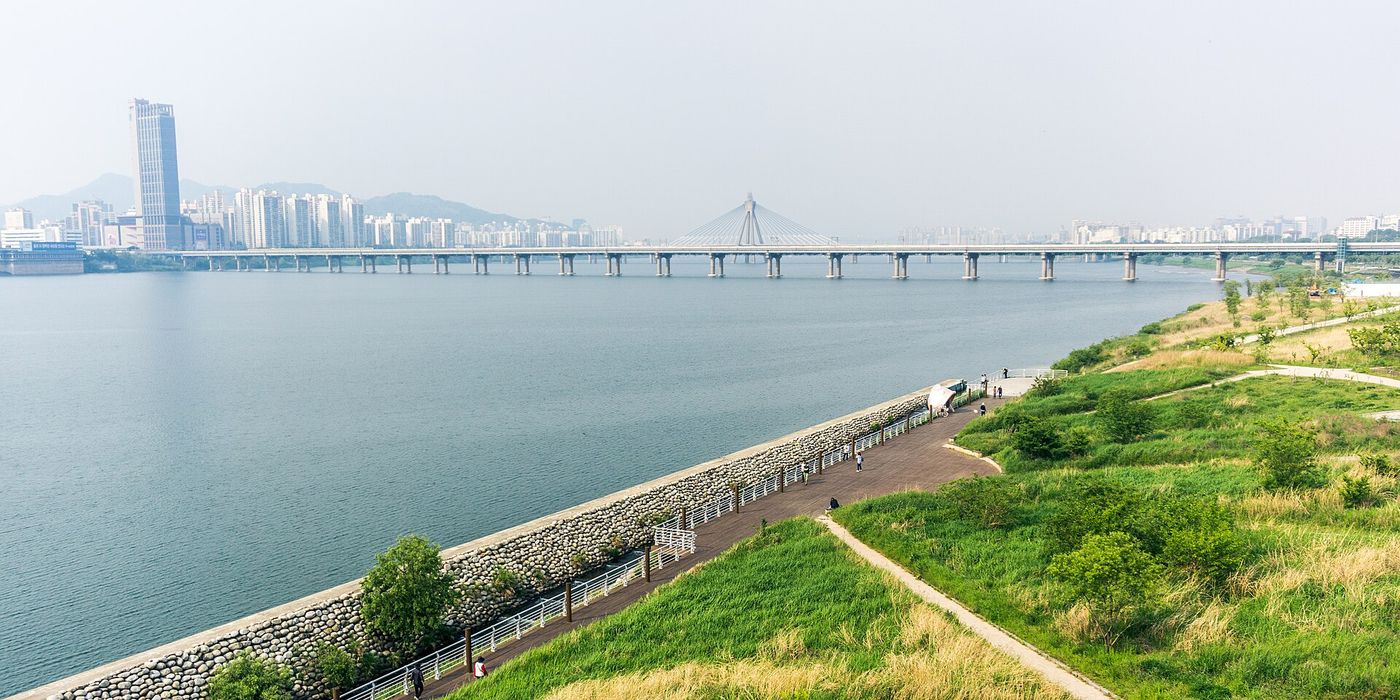
SEOUL — South Korea’s fertility rate rose for a second consecutive year, government data showed on Friday, reaching 0.84 children per woman in the 12 months through August, up from 0.78 a year earlier and from a historic low of 0.72 in 2023 that had made the country a global symbol of demographic collapse.
Statistics Korea recorded about 262,000 births over the period, an increase of 8.5 percent, the fastest growth in more than three decades. Marriages, which in South Korea remain a close predictor of births, rose 11 percent. Officials attributed the rebound partly to a post-pandemic catch-up in weddings and partly to a package of incentives that has expanded sharply since 2024, including a monthly allowance of 1 million won, about $720, for the first year of a child’s life, and a government-backed mortgage program for newlyweds with interest rates as low as 1.6 percent.
“Two years is not a trend, but it is no longer an accident,” said Kim Hye-jin, a demographer at the Korea Institute for Health and Social Affairs. “Something has shifted in the calculus of people in their early 30s. The question is whether it holds once the catch-up effect fades.”
The rate remains the lowest of any country in the world and far below the 2.1 needed to maintain a stable population without immigration. South Korea’s population peaked at 51.8 million in 2020 and has been shrinking since; by 2072, government projections suggest it could fall to 36 million, with nearly half of the people over 65.
Economists and employers have warned of labor shortages, shrinking school enrollments and pressure on the pension system. More than 150 elementary schools closed this year for lack of students, most of them in rural provinces, and the military has reduced its conscription target by 20 percent since 2020.
The incentives have had their critics. “Cash does not change the fact that a woman who has a child in Korea is still expected to leave her job, and that an apartment in Seoul costs 15 years of salary,” said Lee Seo-yeon, 33, a marketing manager who is married and childless. “My friends who are having babies are the ones who moved to Sejong or Daejeon, where life is cheaper. That is not a policy, that is an escape.”
The government said it would extend the infant allowance to a second year beginning in January and announced a target of 0.9 for 2027. In a maternity ward at a hospital in Seoul’s Mapo district on Saturday, the head nurse, Choi Mi-ran, said the change was visible. “Three years ago we had empty rooms,” she said. “Now I am short of staff.”
A version of this article appears in print on Oct. 11, 2026, Section A, Page 7 of the European edition with the headline: South Korea’s Birth Rate Rises for a Second Year, Offering a Glimmer of Hope on Demographics.