ABIDJAN, Ivory Coast — Cocoa futures in London closed at 4,120 pounds a metric ton on Friday, down 58 percent from the peak they reached in December 2024 and the lowest level in two and a half years, as the first weeks of the West African main harvest confirmed that the crop is recovering from the disease and drought that drove prices to unprecedented heights.
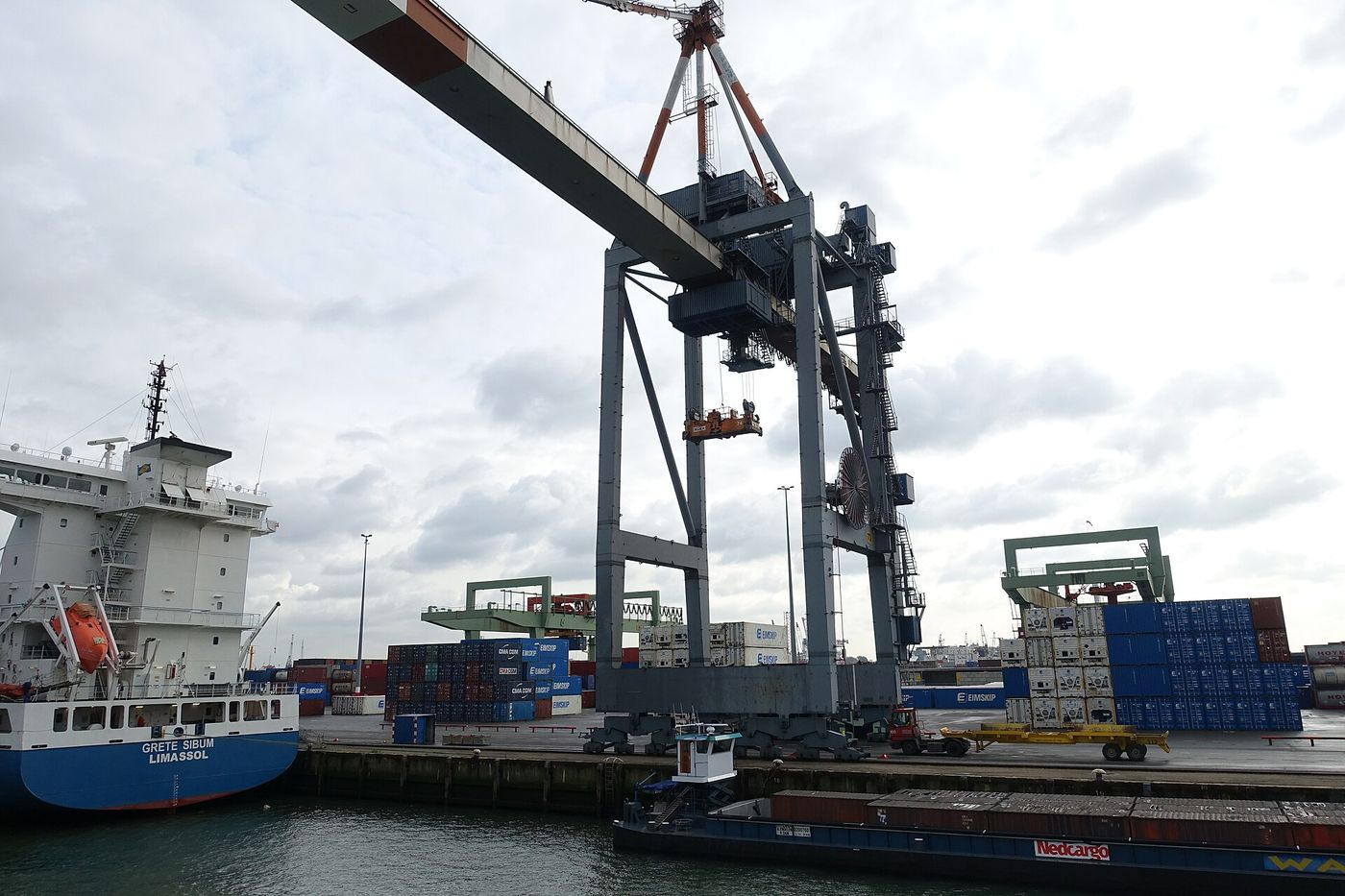
Ivory Coast, which produces about 40 percent of the world’s cocoa, reported arrivals at its ports of 312,000 tons between Oct. 1 and Oct. 9, up 27 percent from the same period last year, according to the country’s cocoa regulator. Ghana, the second-largest producer, has forecast a crop of 780,000 tons for the season, its best since 2021.
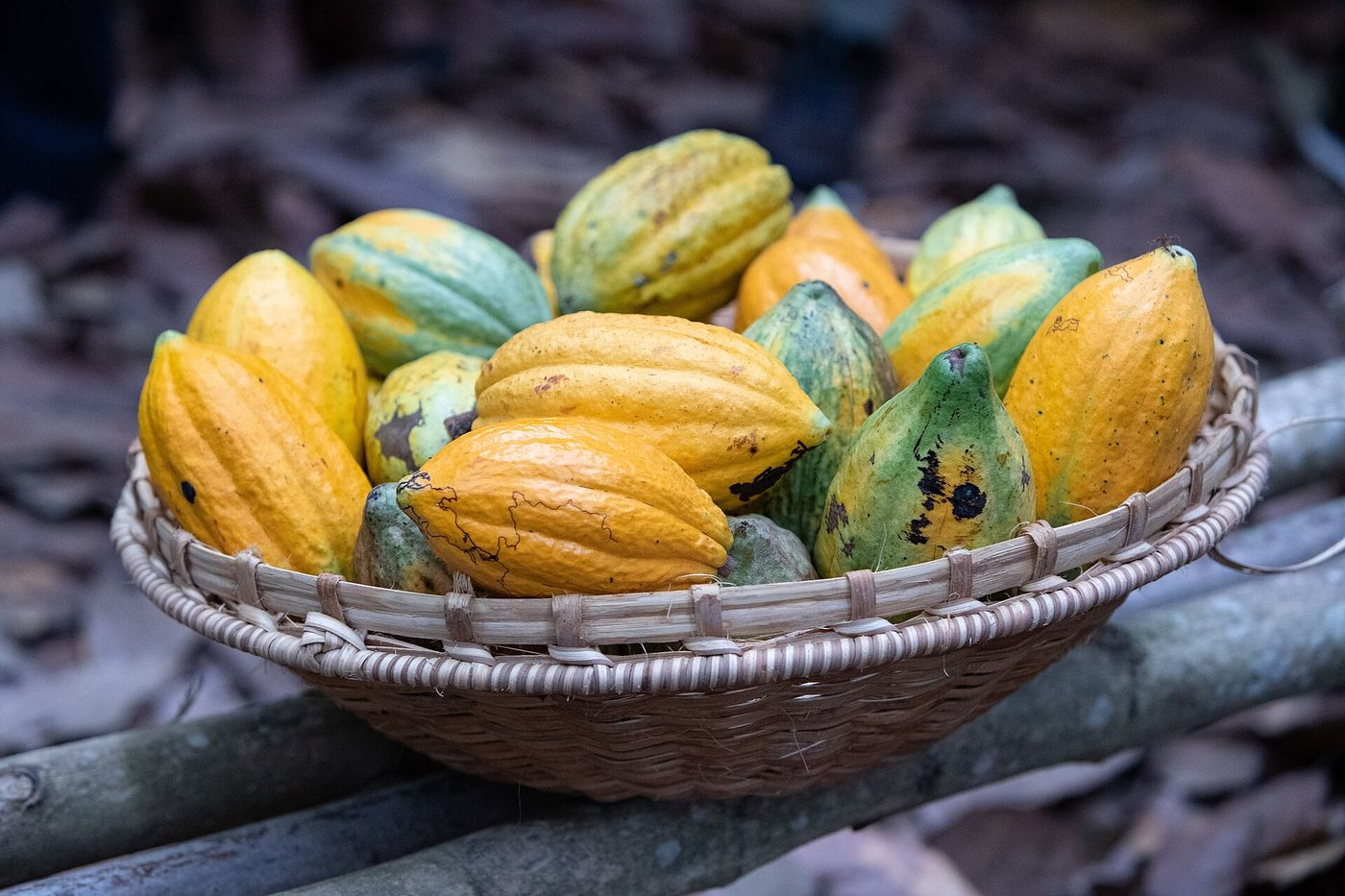
“The trees that survived have recovered, the rains came on time, and farmers who could afford fertilizer used it, because for once the price justified it,” said Koffi N’Guessan Aka, an agronomist with the Ivorian regulator, speaking from a cooperative in the eastern town of Abengourou. “This is what a normal year looks like. We had forgotten.”
The price surge of 2024, when cocoa briefly cost more than copper by weight, was triggered by the spread of swollen shoot virus and a severe El Niño drought across the cocoa belt, which cut West African output by about a quarter. Chocolate makers responded by raising prices, shrinking bars and reformulating products with less cocoa and more fillings. Retail chocolate prices in the European Union rose 31 percent between early 2024 and mid-2026, according to Eurostat.
Those prices are unlikely to come back down. “Manufacturers bought this year’s cocoa last year, at prices two or three times today’s,” said Annelies Verhoeven, a confectionery analyst at Rabobank in Utrecht. “They will work through that inventory until the middle of 2027. And even then, companies have learned that consumers accepted smaller bars. Nobody makes them bigger again.”
For farmers, the drop in prices is bittersweet. Ivory Coast raised its guaranteed farmgate price to 2,800 CFA francs, about $4.80, per kilogram for this season, a record, but that figure was set in September when futures were higher, and the regulator has warned it may not be sustainable if the market keeps falling. In Abengourou, Adjoua Marie-Claire Kouassi, 46, who farms five hectares, said the good years had been short. “Two seasons we were paid properly,” she said. “I fixed my roof and sent my daughter to Abidjan to study. Now they tell me the price will fall again, and the roof is already paid for. So, what did we gain?”
Traders said the market remained vulnerable to weather in the coming weeks, and that a dry spell in December could still reverse the decline. Stocks held in exchange warehouses in Europe remain near 20-year lows.
“The crisis is over,” Ms. Verhoeven said. “The chocolate bar you remember from 2023 is not coming back.”
A version of this article appears in print on Oct. 11, 2026, Section B, Page 8 of the European edition with the headline: Cocoa Prices Tumble From Record Highs, but Chocolate Lovers Won’t See Cheaper Bars Soon.