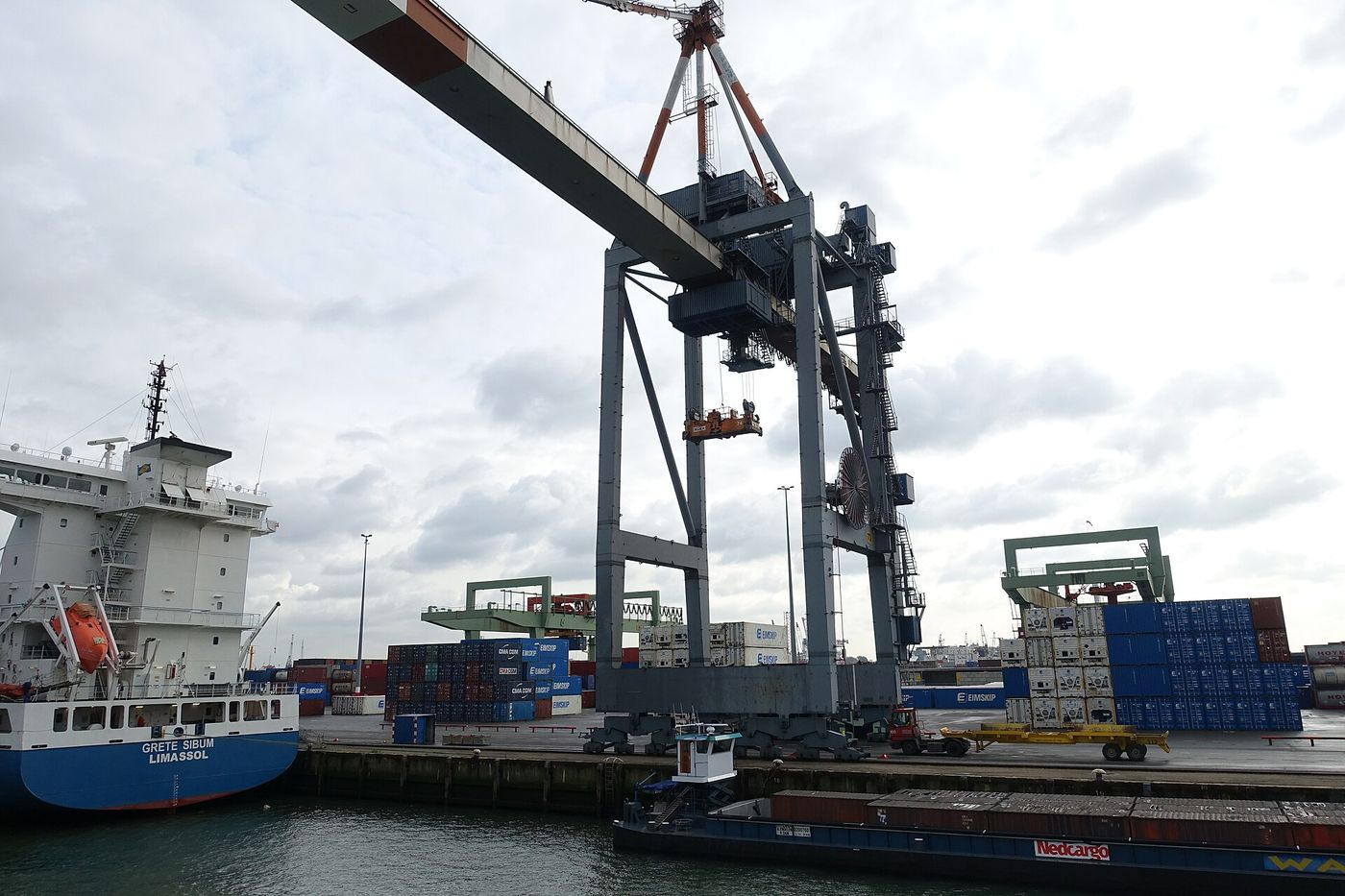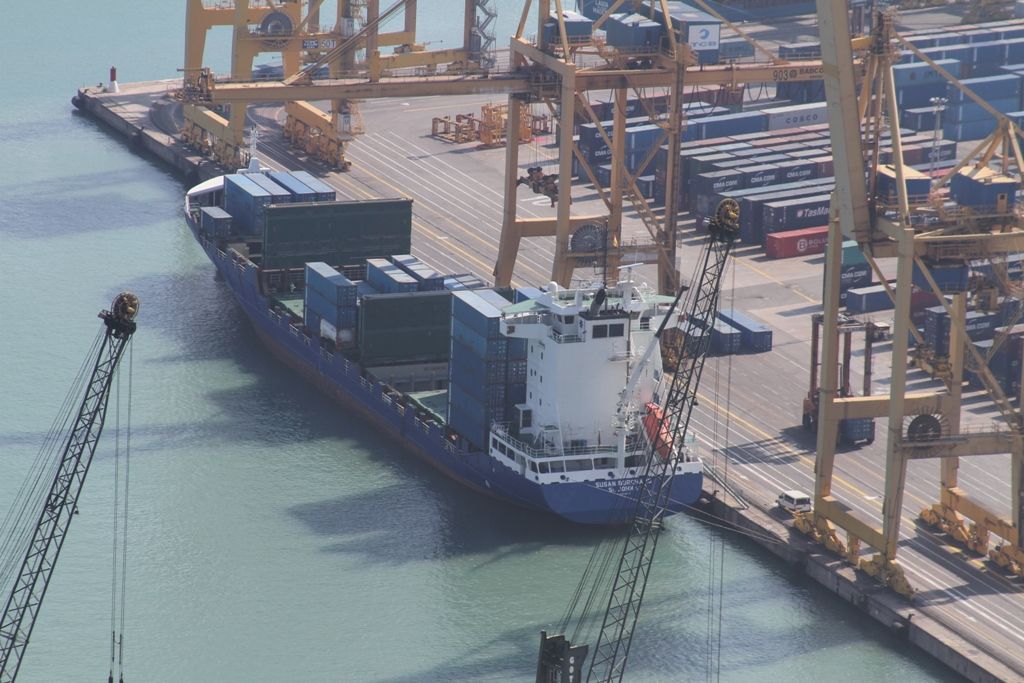
COPENHAGEN — The cost of shipping a 40-foot container from Shanghai to Rotterdam fell to $1,640 this week, down 52 percent since the start of the year and the lowest level since the spring of 2023, as the container shipping industry absorbs the largest wave of new vessels in its history.
Shipyards in South Korea and China are on track to deliver about 2.5 million containers’ worth of capacity in 2026, according to the maritime consultancy Linerlytica, following 2.9 million in 2025. Together the two years amount to about 18 percent of the world’s container fleet, most of it ordered during the pandemic, when freight rates briefly exceeded $14,000 per container and carriers earned more in two years than in the previous two decades combined.
“The industry ordered ships for a world of permanent shortage, and that world lasted about 24 months,” said Birgitte Søndergaard, a shipping analyst at Danske Markets in Copenhagen. “Now the bill is arriving at the docks, 24,000 containers at a time.”
Carriers are responding with the usual tools. About 6 percent of the global fleet is now idle, the highest share since 2020, and average vessel speeds have fallen to 13.2 knots, saving fuel and effectively removing capacity. Scrapping has surged: 310,000 containers of capacity was sent to breakers in the first nine months of the year, more than in all of 2024 and 2025 combined, with most of the ships headed to yards in Bangladesh and India.
The slump is good news for importers and, eventually, consumers. European retailers that signed annual contracts in the spring at rates above $3,000 are now renegotiating, and the Kiel Institute for the World Economy estimated that lower freight costs would shave about 0.1 percentage points off euro-area goods inflation over the coming year. “It is small, but after three years of shocks, small and in the right direction is welcome,” said Dr. Ulrich Brandt, an economist at the institute.
For the carriers, the outlook is grim. The world’s largest lines have warned that full-year earnings will fall to break-even or below, and at least two mid-sized Asian operators have approached their lenders about covenant waivers. The last comparable glut, in 2016, drove one of the world’s largest carriers into bankruptcy and triggered a wave of mergers that left the top five lines controlling about 65 percent of global capacity.
Analysts expect something similar this time, though with fewer candidates left to merge. “What you will see instead is alliances tightening, services being cut, and ports in secondary cities losing their direct calls,” Ms. Søndergaard said. “The ships are too big to fill, so they go to fewer places.”
The next test comes in November, when carriers typically announce early-year contract rates. Few expect them to hold.
A version of this article appears in print on Oct. 11, 2026, Section B, Page 9 of the European edition with the headline: Container Shipping Rates Sink as a Record Wave of New Vessels Hits the Water.