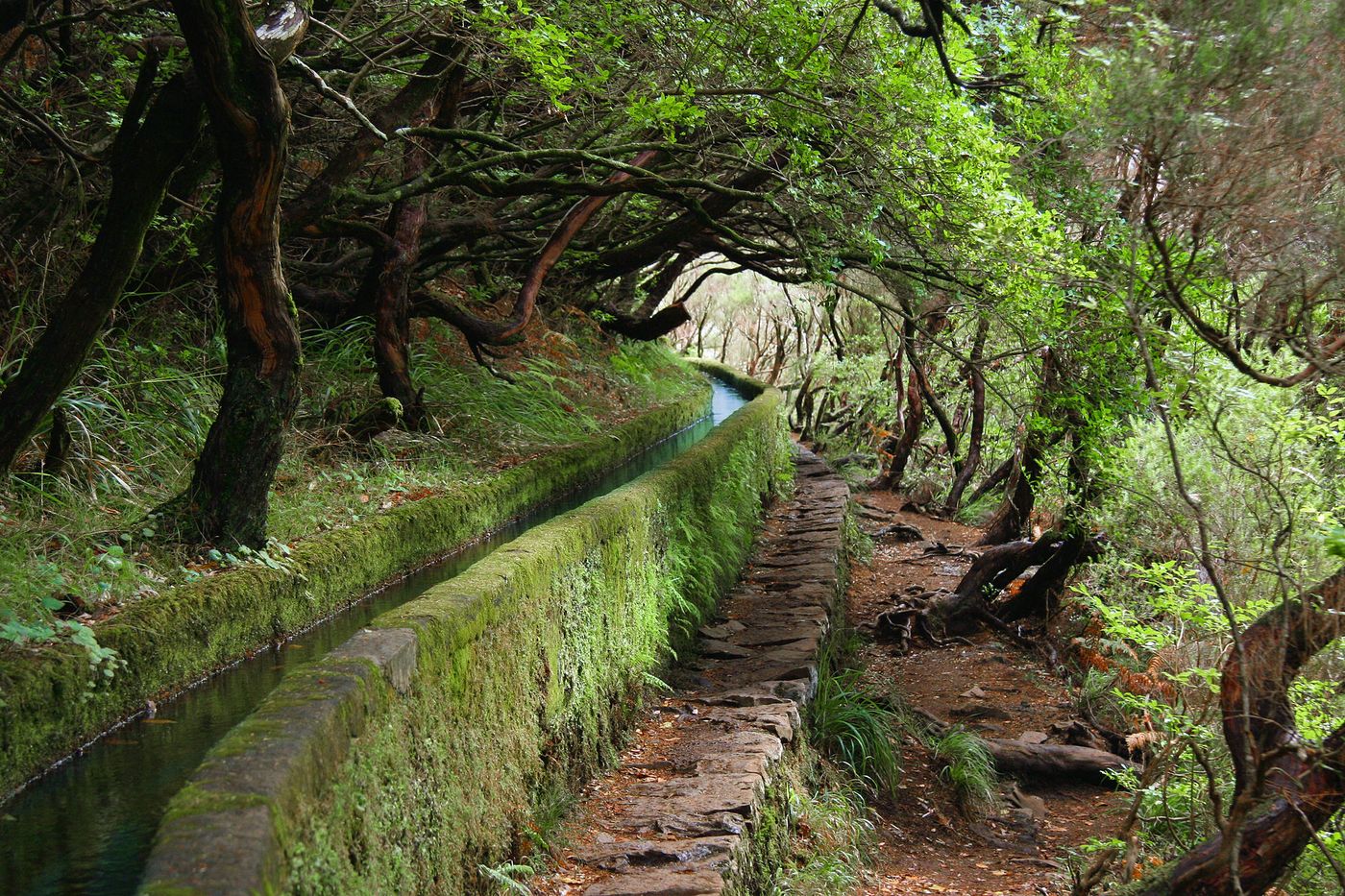
FUNCHAL, Portugal — The Levada do Caldeirão Verde runs for 6.5 kilometers along the side of a gorge in the north of this island, through four tunnels and a laurel forest that has been a UNESCO site since 1999, to a 100-meter waterfall. On a Tuesday in October two years ago, it would have carried 2,500 walkers, in a line that at the tunnels became a queue. On Tuesday last week it carried 800, the daily cap, and the only sound at the waterfall was the waterfall.
Madeira’s levadas, the irrigation channels that were cut into the island’s mountains from the 16th century to carry water from the wet north to the dry south, total about 3,100 kilometers. The paths beside them, originally for the men who maintained them, have become the island’s main attraction after its climate, and the problem that comes with it. The regional government counted 2.1 million trail users in 2025, on an island of 250,000 people, with more than half concentrated on six routes.
In April, after two seasons of rescues, rockfalls and complaints from the villages at the trailheads, the government introduced a permit system for the 10 most-used levadas. Walkers book a free slot online up to 30 days ahead, pay a 3-euro fee that funds maintenance, and present a QR code at a checkpoint. Daily limits range from 400 to 1,200 depending on the route.
“The first month, people were furious,” said Rosário Nóbrega, who directs the island’s forestry and nature institute. “By June, we were getting emails from the same people saying it was the best walk of their lives. It is not that the trails changed. It is that they could hear them.”
The figures bear her out. Visits to the capped routes fell 48 percent between May and September compared with the same period in 2025, while visits to the 30 uncapped levadas the institute lists on its website rose 61 percent. The Levada dos Tornos, a gentle contour path above Funchal that passes tea houses and gardens and that most visitors had never heard of, saw its numbers triple.
For walkers, the system rewards planning and punishes the spontaneous. Slots on Caldeirão Verde and the 25 Fontes route sell out two to three weeks ahead in high season, and the website, which is in Portuguese and English, does not yet allow changes without canceling. Guides, who were initially opposed, have adapted; most now hold block bookings. “I used to tell clients to start at 7 a.m. to beat the crowd,” said João Freitas, who has guided on the island for 14 years. “Now I tell them to start at 9 and have breakfast. The crowd has been dealt with.”
The quieter routes are where the island reveals itself. The Levada do Rei, in the northeast, follows a channel so narrow the path is a ledge, through forest where the moss hangs in curtains. The Vereda do Larano, along the cliffs above Porto da Cruz, is not a levada at all but a coastal path with views back to the mountains and down 300 meters to the sea. Neither needs a permit. On a weekday in October, neither had more than a dozen people on it.
The institute plans to extend the system to four more routes next spring. Ms. Nóbrega said the aim was not fewer walkers but a different distribution. “The island is big enough,” she said. “The waterfall is not.”
A version of this article appears in print on Oct. 12, 2026, Section A, Page 4 of the European edition with the headline: Madeira’s Levada Walks Now Require a Permit. Hikers Say the Trails Are Better for It..