SEOUL — For 16 years, the price of a degree in South Korea was effectively frozen. A government policy introduced in 2009 withheld state research and scholarship grants from any university that raised tuition, and in a country where education costs are a perennial political issue, almost none dared. This year, 64 of the country’s 190 four-year universities raised fees by an average of 4.9 percent, the maximum the law permits, and students have answered with sit-ins, boycotts and, at three Seoul campuses last week, a march of 12,000 people.
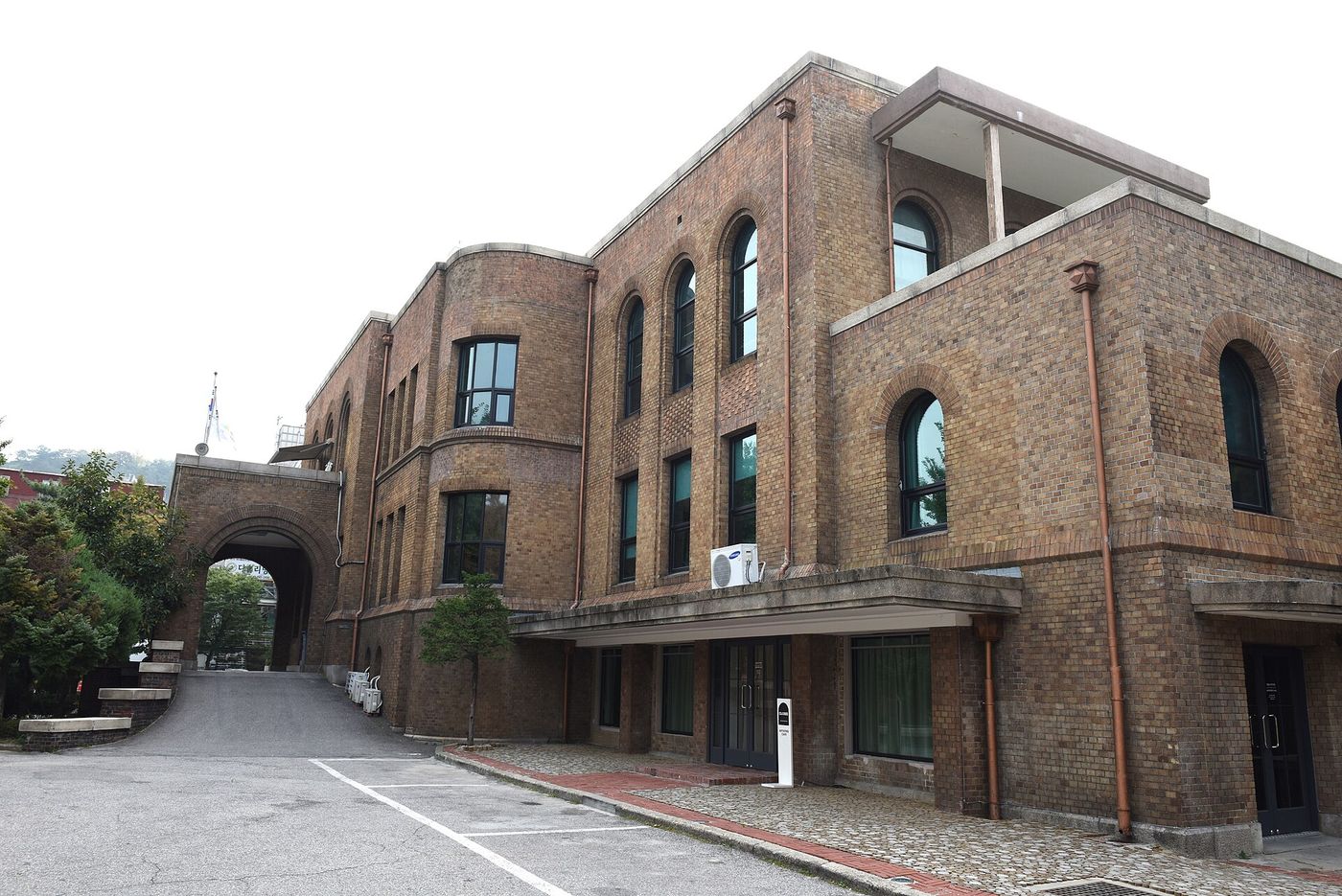
“The freeze was a political gift that we paid for with crumbling buildings and professors leaving for Singapore,” said Prof. Park Sung-ho, who heads planning at a private university in Seoul that raised its fees for the second year in a row, to about 9.1 million won, roughly $6,500, for a year of engineering. He said the university’s real income per student had fallen by a third since 2009 and that it had deferred maintenance on 40 percent of its laboratories. “Students are angry about 400,000 won a year. They should be angry about a chemistry building where the ventilation does not work.”
The increases were made possible by a 2024 change to the policy that allows universities to raise fees up to 1.5 times the inflation rate while keeping some grants, a concession the government offered as the number of 18-year-olds, which has nearly halved since 2000, began to force regional universities to close. Eleven private universities outside Seoul have shut since 2021, and the education ministry projects that a third of those remaining will have fewer students than places by 2030.
Students say the timing is cruel. Kim Ji-woo, 21, a sociology major who helps lead the student council at a university in the southeast of the capital, said tuition was rising just as graduate unemployment had reached its highest level in two decades and as rents in Seoul had climbed 15 percent in two years. “The university says the buildings are old. The students say we will graduate into nothing with a debt,” she said. The council has organized a tuition boycott in which 3,400 students have withheld their autumn semester payments; the university has said they will be allowed to attend classes while talks continue.
The education ministry, caught between the two sides, has said it will expand the national scholarship program, which already covers part or all of tuition for roughly 40 percent of students on a means-tested basis, and will audit universities that raised fees to confirm the money went to teaching and facilities. “Universities that use the increase for administrative salaries will lose their grants,” said Lee Min-jae, a ministry director, at a briefing on Thursday.
Tuition at South Korean universities remains lower than in the United States, Japan or Britain, but households spend heavily on private tutoring in the years before university, and surveys show that most parents regard the cost of education as the main reason they have fewer children than they would like. The country’s fertility rate, the world’s lowest, edged up last year for the first time in a decade.
Ms. Kim said the boycott would continue until the university agreed to publish a line-by-line account of where the increase went. “If it is the chemistry building, show us the chemistry building,” she said.
A version of this article appears in print on Oct. 12, 2026, Section A, Page 10 of the European edition with the headline: After a 16-Year Freeze, South Korea’s Universities Raise Tuition, and Students Push Back.