ROME — The Rome Film Festival opened its 21st edition on Thursday night with an Italian family drama, a red carpet in a light rain, and an unusually frank speech from its new artistic director about the business she has inherited.
“A festival is a place where films meet an audience,” said Chiara Benedetti, 47, a former programmer at the Locarno festival who took over in March. “It is also, increasingly, the last place where a European film meets an audience before it disappears into a streaming library. I would like us to be the first place, not the last.”
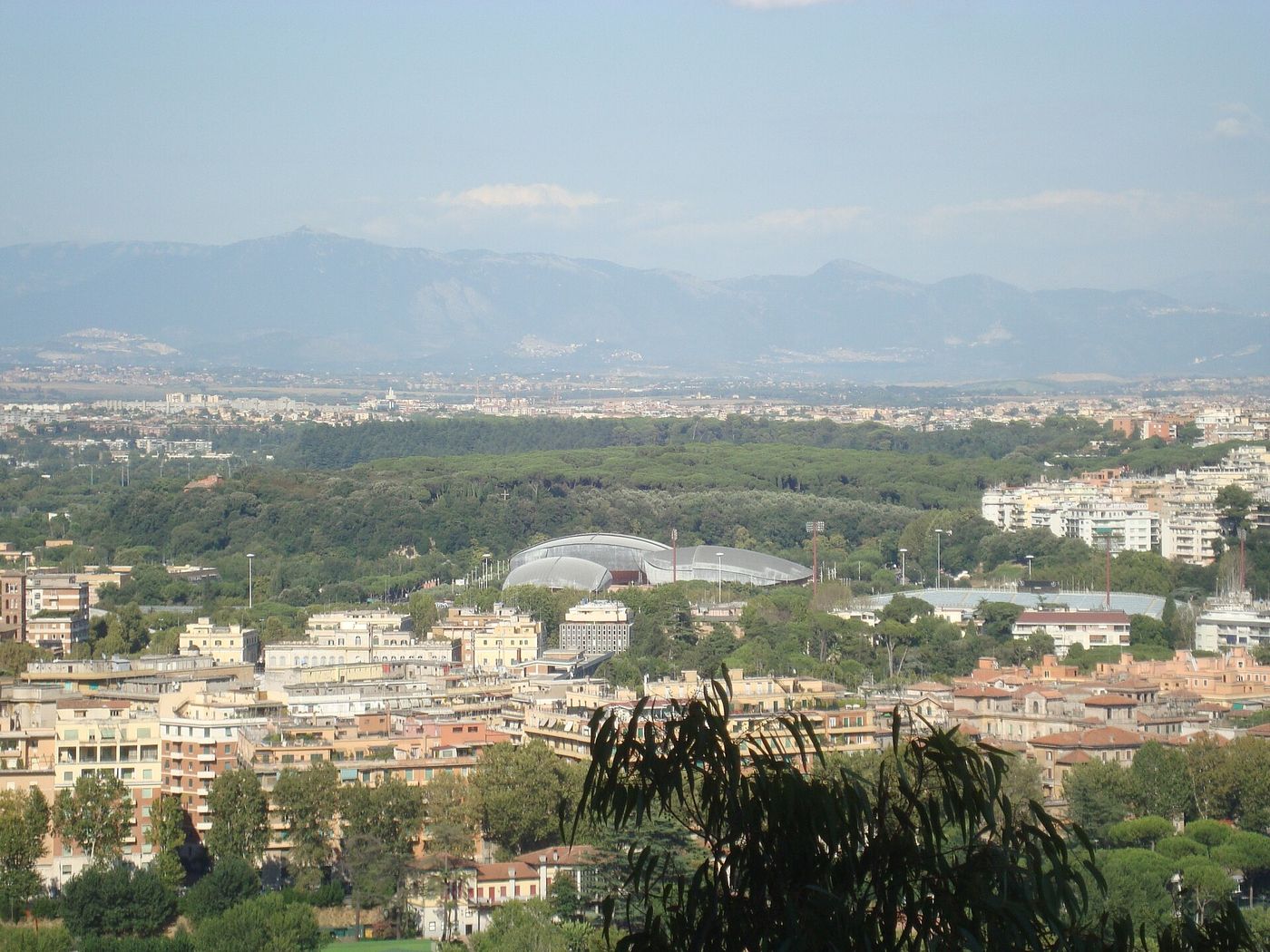
The festival, which runs through Oct. 25 at the Auditorium Parco della Musica and a dozen cinemas across the city, is screening 142 films from 48 countries, including 28 world premieres. The main competition features 16 films, among them a Welsh drama set in a slate town, a Georgian comedy about a wedding, a Brazilian documentary about the Amazon river ports, and three Italian features, the most in several years.
Ms. Benedetti’s remarks reflect a debate that has preoccupied European producers all year. With theatrical attendance in Europe still about 15 percent below its 2019 level, according to the International Union of Cinemas, and with public film funds under pressure in several countries, a growing number of mid-budget European films are being sold directly to streaming platforms, which pay well but often release the films with little marketing and no cinema run.
“The money is real and the exposure is not,” said Lorenzo Ferraro, a Rome-based producer whose last two films were sold to platforms. “You get your budget back and 4,000 people watch it. A festival premiere, an Italian release, a French release, a German release, that is 400,000 people and a career.” He said he had declined a platform offer for his current film, a thriller set in Naples, in order to premiere it in Rome.
To that end, the festival has expanded its market, a four-day event for buyers and sellers that runs alongside the screenings, and has introduced a 1 million euro fund, financed by the Lazio regional government, to support theatrical distribution of competition films in Italy. Ms. Benedetti said that 31 films in this year’s program had already secured Italian cinema releases, up from 19 last year.
Not everyone is convinced the festival can shift the economics. “Rome is a good festival with a real audience, but it is not Cannes or Venice, and the buyers who matter are not all here,” said Ingrid Sauer, a Berlin-based sales agent. “What Chiara is doing is right. Whether it is enough is a question for the market, not for a speech.”
On Thursday night, the opening film, “La Casa Grande,” a three-generation drama set in a Puglian farmhouse by the director Teresa Lombardo, received a warm, if not rapturous, reception. Outside the auditorium, a line for returned tickets stretched around the block. Attendance for the festival’s public screenings last year was 128,000. Ms. Benedetti said she would be “happy with more and honest about less.”
A version of this article appears in print on Oct. 12, 2026, Section A, Page 4 of the European edition with the headline: Rome Film Festival Opens With a Full Slate, a New Director, and a Case of Nerves About Streaming.