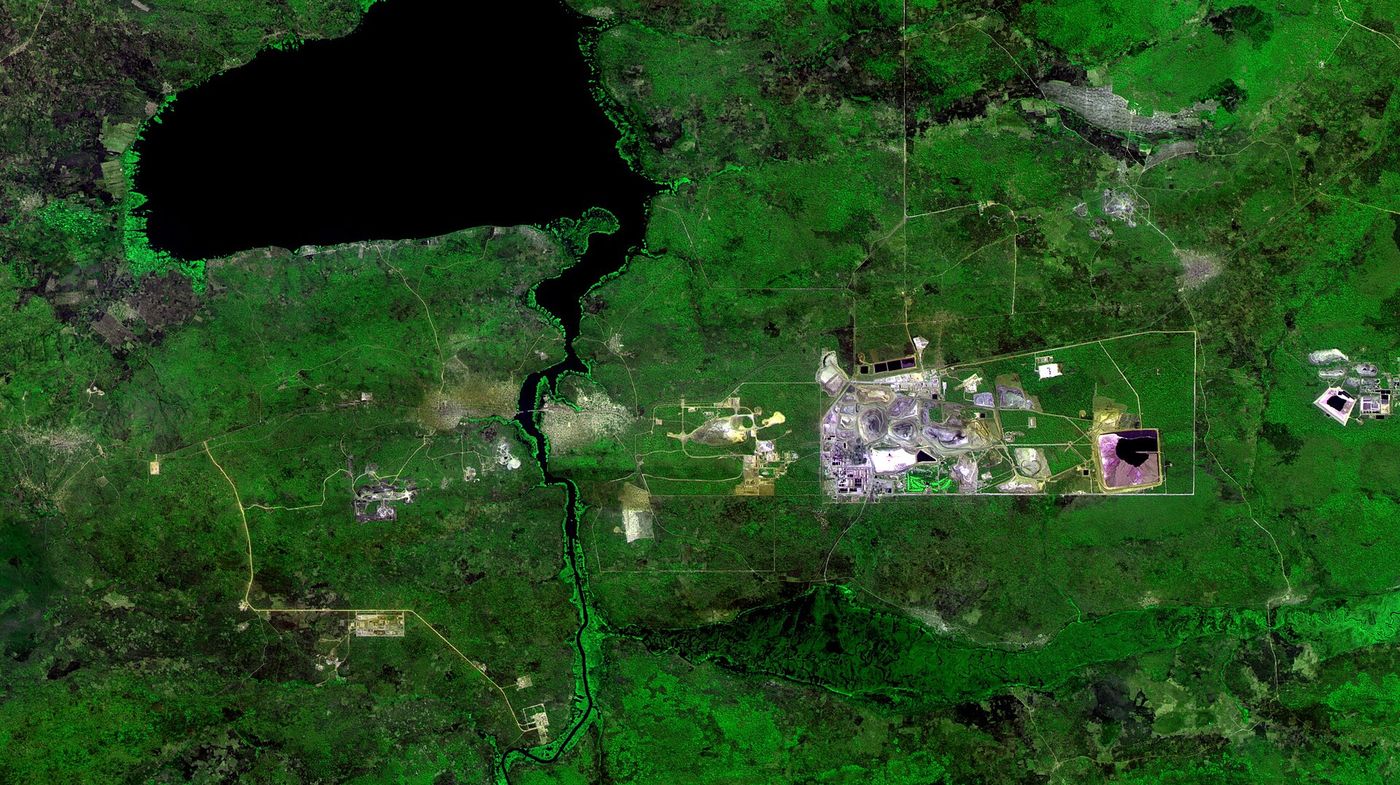
KOLWEZI, Democratic Republic of Congo — The price of cobalt has more than doubled in the year since the Democratic Republic of Congo, which produces about 75 percent of the world’s supply, capped its exports. The government’s revenue from the metal has risen by roughly a third. The question in Kolwezi, the dusty mining city at the heart of the cobalt belt, is who else has noticed.
“The radio says cobalt is at $25. The buyer at the depot still pays me the same as when it was $10,” said Patrice Mwamba Kalenga, 36, who digs ore by hand in a pit at the edge of the city with a crew of eight. “Somewhere between here and the radio, the money disappears.”
Congo suspended cobalt exports in February 2025 after prices fell to a nine-year low under a flood of supply, much of it from a single Chinese-owned mine that had ramped up production. In October 2025 it replaced the ban with a quota system that allows about 96,000 tons of exports a year, roughly 60 percent of 2024 production, allocated among producers by the state minerals regulator. Prices on the London Metal Exchange, which had bottomed near $10 a pound, traded at $24.60 on Friday.
The policy is the boldest attempt by an African producer to use market power over a critical mineral, and its early results have drawn attention in Jakarta, Lima and Lusaka. Government receipts from cobalt royalties and export taxes reached $410 million in the first half of 2026, up 34 percent, the finance ministry reported. The regulator has also forced mining companies to stockpile unsold ore inside the country, creating, in effect, a strategic reserve.
“Congo has shown it can move the price. That is not nothing for a country that was a price-taker for a century,” said Jean-Claude Ilunga Mbuyi, an economist at the University of Lubumbashi. “What it has not shown is that the price moves the people.”
The cobalt belt’s estimated 200,000 artisanal miners, who dig in pits, tunnels and the tailings of industrial mines, sell to intermediaries at depots on the roads out of Kolwezi. Those buyers, many of them operating under licenses from the state artisanal mining company, set prices with little transparency. A survey by a Lubumbashi research group in August found that the depot price for ore of 3 percent cobalt content had risen only 20 percent since the quota took effect, while the world price had risen 140 percent.
The quota has also created winners and losers among the large producers. Companies with allocations have seen margins soar. Those without, including several mid-sized Chinese operators, have idled plants and laid off workers. In Kolwezi, where almost every family depends on mining, the layoffs have been felt as keenly as the price rise has not.
The government has promised that a share of the new revenue will fund a cobalt-belt development program, including a cooperative that would buy directly from artisanal miners at a published price. The program was announced in April. Its first depot has not opened.
Mr. Mwamba, who sends two children to a school whose fees have doubled this year, said he would believe in the cooperative when he saw it. “The president, the Chinese, the radio, they all got a raise,” he said. “I am still at $10.”
A version of this article appears in print on Oct. 12, 2026, Section A, Page 3 of the European edition with the headline: Congo’s Cobalt Quota Has Doubled the Metal’s Price. In Kolwezi, the Diggers Are Still Waiting for a Raise..



