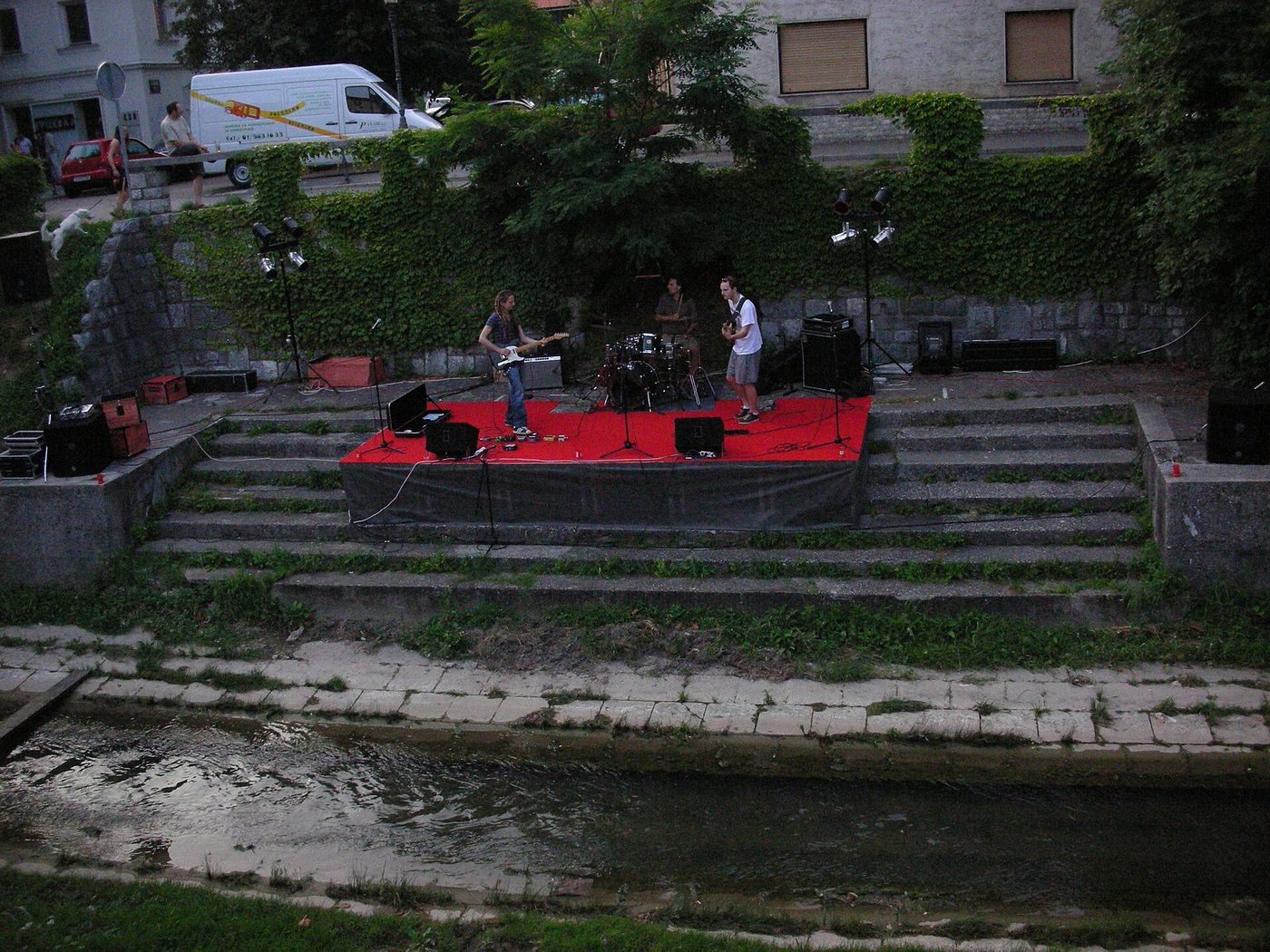
LJUBLJANA, Slovenia — Maja Kovač has accepted the digital euro for 14 coffees since the pilot began in September. She knows the number because the terminal counts them, and because customers keep asking her what the difference is. “I tell them it is like a card, but it is the government’s and it works when the internet is down,” she said from behind the counter of a café on the Ljubljanica River. “Then they pay with a card.”
Slovenia is one of three countries hosting a live trial of the European Central Bank’s proposed digital currency, alongside Lithuania and Portugal. In Ljubljana, 12,000 residents and 400 merchants have been issued wallets that hold up to 3,000 euros of a digital version of central bank money, usable in shops, online, and, crucially, between two phones with no network connection at all.
The pilot is meant to answer a question the E.U.’s lawmakers have been circling for five years: whether citizens want a public alternative to the private card networks and payment apps that process nearly all of Europe’s electronic transactions. The legislation enabling the digital euro is still before the European Parliament; the central bank has said it could issue the currency in 2028 if the law passes.
“The technology is not the problem. We have known how to do this for a decade,” said Boštjan Zupan, who leads the pilot for the Bank of Slovenia. “The problem is that a payment system succeeds only if people stop noticing it, and you cannot stop noticing something you have never heard of.”
Early figures are sobering. Of the 12,000 wallets issued, about 38 percent have been used more than once, and the median active user has made four transactions in six weeks. The offline feature, which lets two phones settle a payment by tapping, has been used by fewer than 900 people, though those who tried it rated it highly. Users over 60 were most likely to adopt it, pilot organizers said, citing distrust of foreign card companies; users under 30 were least likely, citing nothing in particular.
Irena Hribar, a consumer researcher at the University of Ljubljana who is evaluating the pilot, said the strongest argument for the currency was one nobody could feel. “The case is sovereignty. If a card network switched off Europe tomorrow, the digital euro would still work,” she said. “That is a very good reason for a central bank. It is not a reason a 25-year-old will change an app.”
Privacy has been the other persistent theme. The wallets do not reveal transaction details to the central bank, and offline payments leave no record at all, a design that pleased civil liberties groups and alarmed some police officials. Aleš Novak, who runs a bicycle shop in the Trnovo district, said the privacy was the part his customers understood. “Cash, but you cannot lose it,” he said. “That I can explain.”
Mr. Zupan said the pilot would run through March. Asked whether he used the currency himself, he laughed. “Every day,” he said. “Someone has to.”
A version of this article appears in print on Oct. 12, 2026, Section A, Page 15 of the European edition with the headline: In Ljubljana Cafés, a Digital Euro Pilot Tests Whether Anyone Actually Wants One.