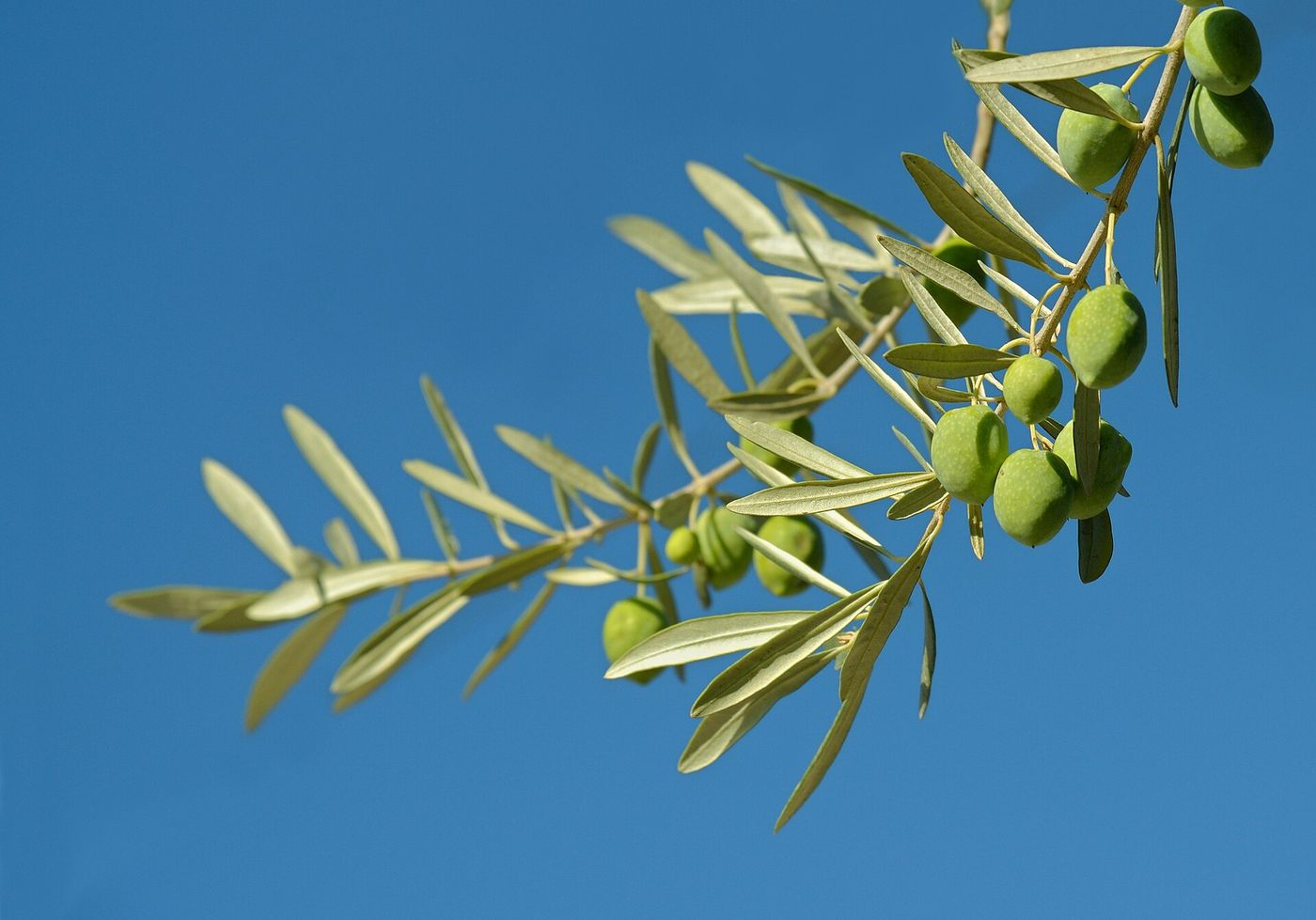
KALAMATA, Greece — The nets went down under the olive trees of Messinia last week, two weeks earlier than usual, because the branches could not hold the fruit. Yannis Koutsogiannis, 58, who farms 1,800 trees on terraces above the Gulf of Messinia, expects to press about 11 tons of oil this season, nearly twice his average. He will be paid about 3.60 euros a kilogram for it, down from 9 euros at the peak in early 2024.
Olive oil, which became a symbol of food inflation when supermarket prices doubled across Europe in 2023 and 2024, has made the return trip. Wholesale prices for extra-virgin oil in Spain, which sets the benchmark for the Mediterranean, have fallen about 60 percent from their high after two consecutive strong harvests ended the drought-driven shortage. Spain expects to produce about 1.5 million tons this season and Greece about 320,000 tons, its largest crop in a decade. Italy, Tunisia and Turkey all report full trees.
“Two years ago we had oil and no olives. Now we have olives and no price,” said Eleni Papadimitriou, who manages the Messinia agricultural cooperative, which presses oil for about 2,400 families. “Everyone is relieved the trees recovered. Nobody is relieved about the number.”
The whiplash has been hardest on growers who responded to high prices by investing. Across the Mediterranean, tens of thousands of hectares of traditional groves were replaced or supplemented with high-density plantings that mature in four years instead of 15, financed by loans taken out when oil was 8 euros a kilo. Those trees are now bearing fruit into a market that does not need it. Mr. Koutsogiannis borrowed 60,000 euros in 2023 to drill a well and install irrigation. “The bank does not care that the price fell,” he said. “The bank cares about November.”
Consumers have noticed slowly. A liter of Greek extra-virgin oil in an Athens supermarket now costs about 8 euros, down from 16 at the peak but still above the 6 euros it cost before the drought, because bottlers and retailers bought stock at high prices and are selling it down. Demand is recovering: European household purchases of olive oil fell about 15 percent by volume during the price spike, as shoppers switched to sunflower and rapeseed oil, and have regained about half of that.
Stavros Mavridis, who runs a bottling company in Kalamata that exports to Germany and the United States, said the industry had mishandled its moment. “When oil was 16 euros we told people it was liquid gold and the best thing they could put in their bodies,” he said. “Some of them believed us and bought less. Now we have to tell them it is cheap again, and they are suspicious of that too.”
The European Commission has rejected calls from Spanish and Greek farm groups for subsidized private storage, which would take oil off the market until prices recover, saying the current price is close to the 10-year average. Growers point out that their costs are not.
On the terraces, the nets are full and the mood is not. “My father said the olive tree never makes you rich and never lets you starve,” Mr. Koutsogiannis said, shaking a branch. “He did not have a loan.”
A version of this article appears in print on Oct. 12, 2026, Section B, Page 10 of the European edition with the headline: Olive Oil Prices Have Collapsed. In Greece’s Groves, the Relief Is Mixed With Dread..