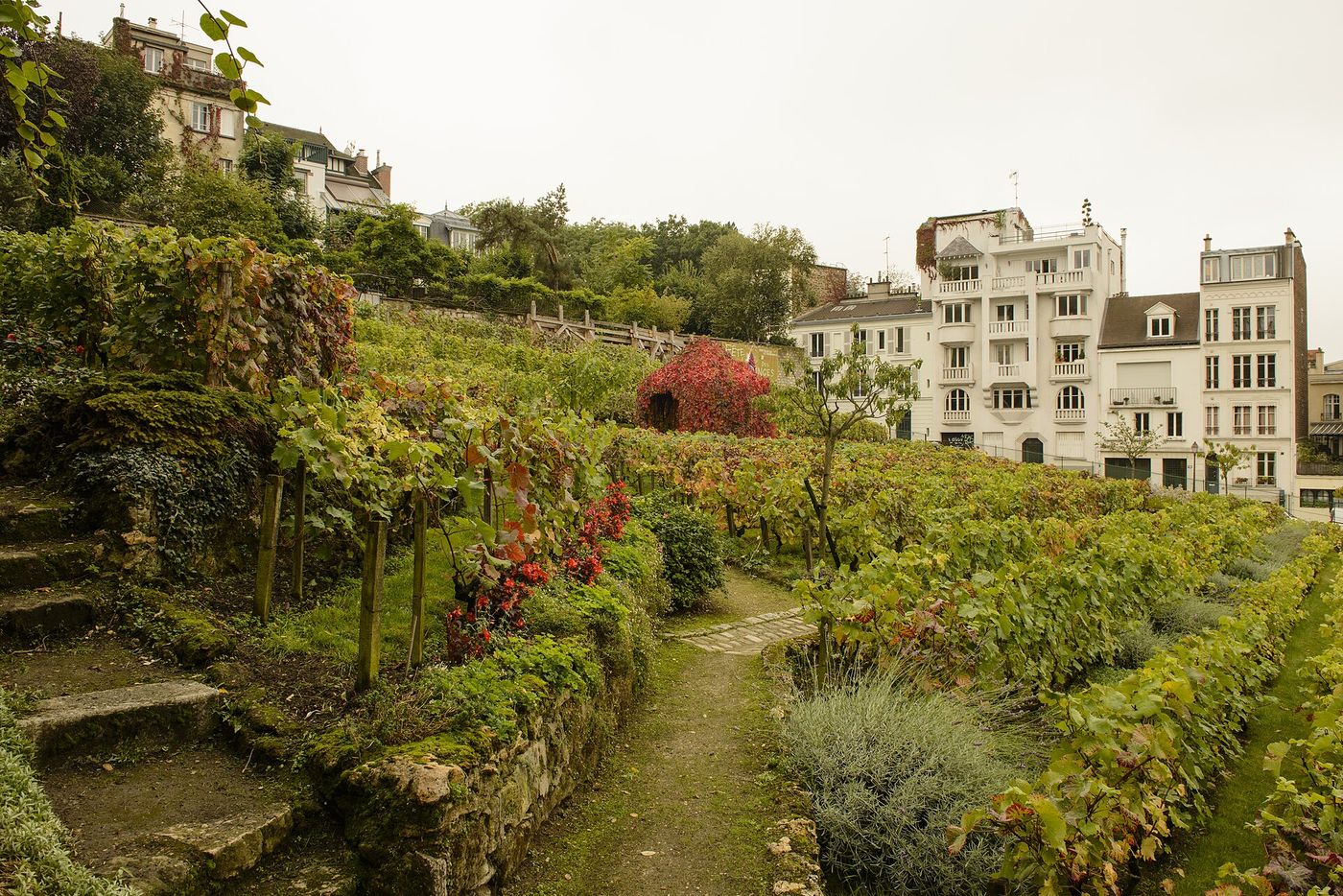
BORDEAUX, France — The 2026 harvest came in last week at Château Les Ormeaux, a 42-hectare estate in the Médoc, and by most measures it was a good one: a dry September, healthy fruit, yields near the appellation’s limit. Mathilde Castaing, who runs the estate her grandfather bought in 1961, has one problem. A third of the 2023 vintage is still in her cellar.
French wine exports to the United States fell 21 percent by value in the first eight months of the year, according to customs data, after a 15 percent tariff on E.U. goods took effect under last year’s trade agreement. The United States had been the largest export market for French wine, taking about a fifth of the total, and the largest for Bordeaux outside Europe. Importers there are now working through stocks they built before the tariff and ordering cautiously, if at all.
“For 30 years, when we had a problem, the answer was America,” Ms. Castaing said. “Now America is the problem. So we are learning geography.”
The learning is visible. The regional wine trade council has opened offices in Seoul and Ho Chi Minh City this year and sent delegations to Lagos and Nairobi. Exports to South Korea rose 18 percent through August, to Vietnam 30 percent, and to Nigeria, from a small base, 44 percent. None of them is close to replacing the American market: South Korea, the largest, buys about a tenth of what the United States did.
“We are not going to find a new United States,” said Olivier Ducasse, the council’s export director. “We are going to find 10 countries that each buy a tenth as much, and that is harder, slower and more expensive. But it is also less fragile, and fragility is what we are paying for now.”
China, which a decade ago was supposed to be Bordeaux’s future, has receded. Shipments there are down about 60 percent from their 2017 peak as the Chinese economy slowed and younger drinkers turned to spirits and domestic wine. Bertrand Loustau, a négociant whose family firm has sold Bordeaux abroad since 1880, said the lesson of China had not been learned. “We fall in love with one market, we build for it, and then we are surprised when it changes,” he said. “Wine takes 20 years to plant and sell. Tariffs take a signature.”
The region is also shrinking. A state-funded program has paid growers to uproot about 10,000 hectares of vines since 2024, mostly in the generic Bordeaux appellation, where bulk prices have fallen below the cost of production. Ms. Castaing has not uprooted anything, but she has stopped replanting a parcel that died in a 2024 frost. “I will decide in two years,” she said. “By then I will know whether there are customers in Seoul.”
In the meantime, she has reduced her price to American importers by 8 percent, absorbing about half the tariff herself. “It is that or watch the wine get older,” she said. “And wine, unlike tariffs, does not improve forever.”
A version of this article appears in print on Oct. 12, 2026, Section B, Page 6 of the European edition with the headline: Bordeaux Is Learning to Sell Wine Somewhere Other Than America.