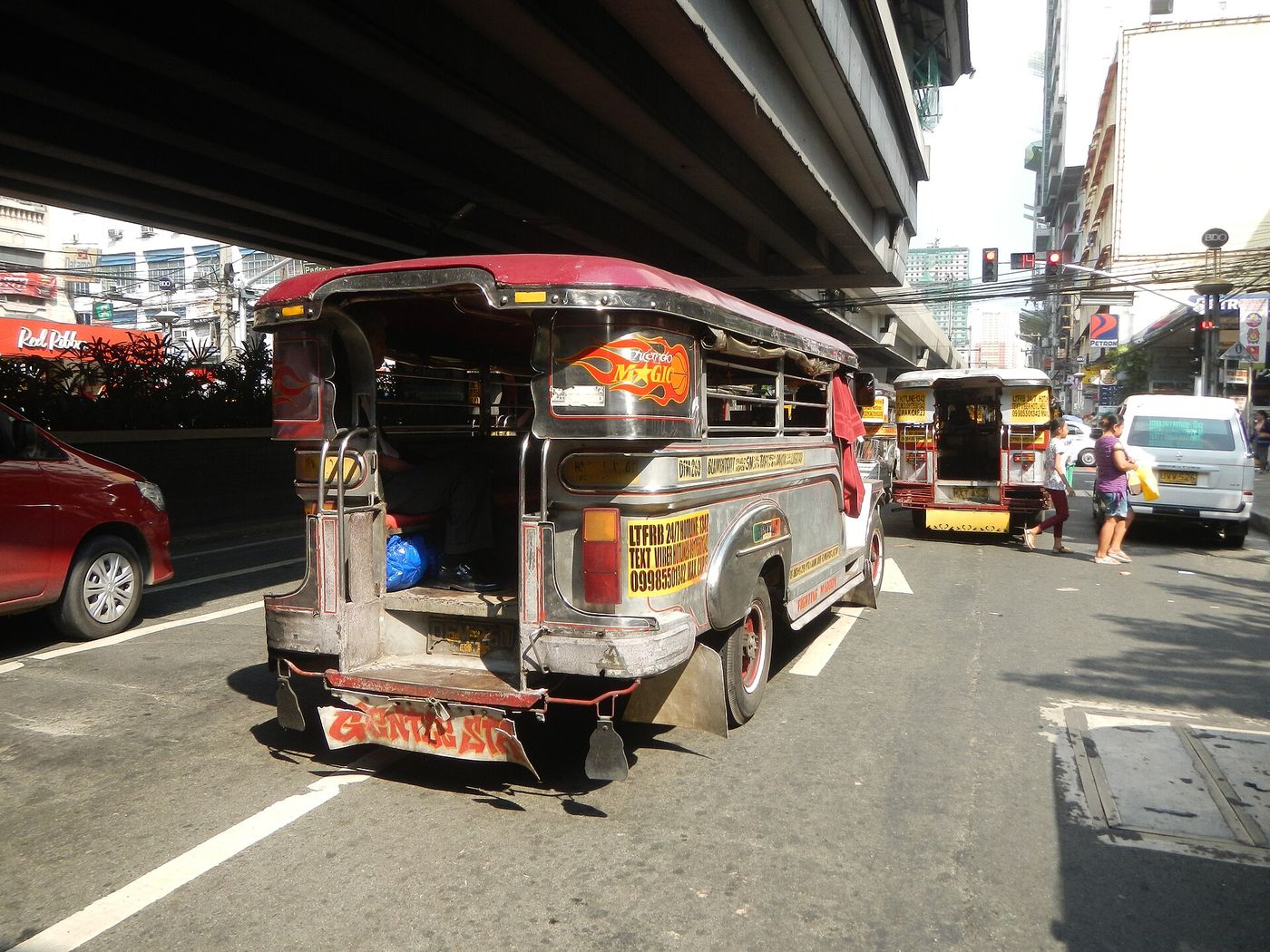
MANILA — Rogelio Bautista has driven the same route from Cubao to Quiapo for 27 years in a jeepney painted with his daughters’ names and a mural of the Last Supper. On Dec. 31, under rules the transport department says it will not extend again, he will be forbidden to drive it.
The Philippines’ public utility vehicle modernization program, launched in 2017, requires the country’s roughly 150,000 jeepneys, the stretched and decorated descendants of American military jeeps that have been the backbone of Filipino transit since the 1940s, to be replaced by Euro 4 or electric minibuses operated by cooperatives rather than individual owners. The deadline for individual operators to join a cooperative has been pushed back six times. As of September, the Land Transportation Franchising and Regulatory Board said 84 percent of jeepney franchises had consolidated. About 24,000 vehicles, concentrated in Metro Manila and Cebu, had not.
“We have given this program nine years and every reasonable accommodation,” said Marites Villanueva, the board’s executive director, at a briefing on Friday. “A city of 14 million cannot run on vehicles built in 1985 with engines that fail emissions tests by a factor of ten.”
The modern units cost between 2.4 million and 2.9 million pesos, or roughly $41,000 to $50,000, against about 600,000 pesos for a traditional jeepney. The government offers a subsidy of 280,000 pesos per unit and a loan program through the state development bank at 6 percent over seven years. Cooperatives that have made the switch report that the new vehicles, with air-conditioning and automated fare collection, attract more riders. One in Pasig said revenue per unit had risen 35 percent.
Drivers like Mr. Bautista, 56, say the figures ignore how thin their margins are. A traditional jeepney earns a driver 800 to 1,200 pesos a day after fuel and the boundary fee paid to the owner. A cooperative loan for a modern unit requires payments of about 25,000 pesos a month per vehicle. “They are asking me to buy a house to keep a job that pays for rice,” he said. “I joined a cooperative in Quezon City. They took my papers and I have not seen a vehicle. I am told there is a waiting list.”
Transport groups have called a three-day strike beginning Oct. 20, the ninth since the program began, and commuters have learned to expect them. The strikes have mostly failed to move the government but have drawn public sympathy; a poll by a Manila research institute in August found 58 percent of respondents wanted another extension, even as 71 percent said they preferred riding the modern units.
The sticking point, analysts say, is less the vehicles than the credit. “The cooperative model assumes a group of small operators can jointly carry 50 million pesos of debt,” said Prof. Elena Macaraig, who studies transport economics at the University of the Philippines. “Many can. The ones who cannot are the ones on the oldest routes, in the poorest areas, carrying the poorest passengers. Those are the routes that will have no service on Jan. 1.”
Ms. Villanueva said the board would authorize cooperatives to take over abandoned routes within 30 days and that buses would be deployed as a stopgap. Mr. Bautista was unconvinced. He has begun stripping the chrome trim from his jeepney in the evenings. The scrap dealer, he said, was offering 14,000 pesos for the body. “The mural I will keep,” he said.
A version of this article appears in print on Oct. 12, 2026, Section A, Page 8 of the European edition with the headline: Manila’s Jeepneys Face a Final Deadline, and Drivers Say the Math Still Does Not Work.



