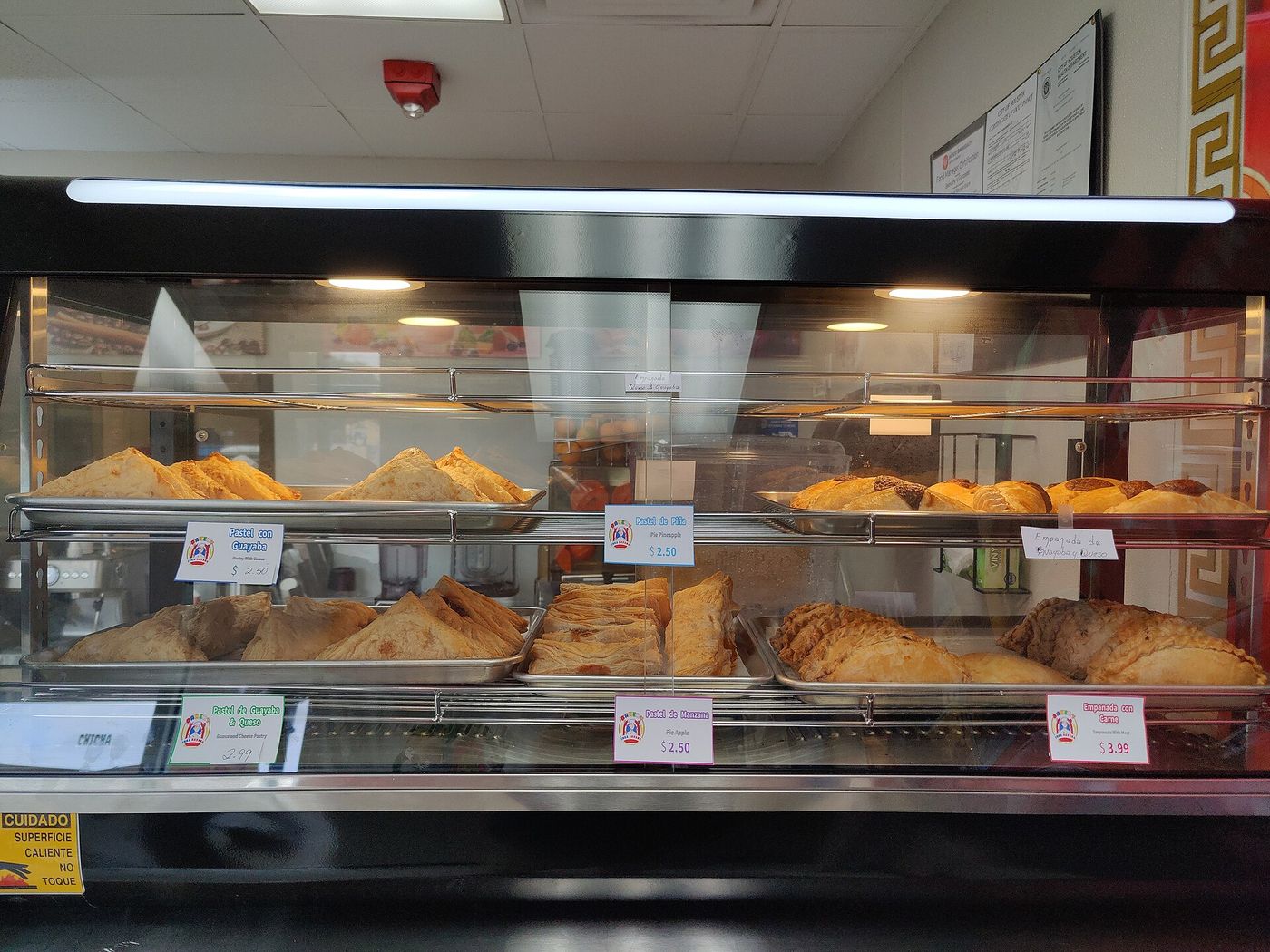
HAVANA — The power went out in the Havana neighborhood of Cerro at 7:40 p.m. on Thursday and did not return until nearly noon on Friday. In the dark, the only light on Calle Infanta came from a bakery, where a Chinese-made generator rattled behind the counter and Yunier Rodríguez pulled trays of bread from an oven he had bought, used, from a hotel that closed last year.
“The state bakery across the street has had no flour for two weeks,” Mr. Rodríguez, 41, said. “People come here at 5 a.m. with the blackout still on. I am the only light.”
Cuba’s electrical grid, built around eight aging thermoelectric plants that burn heavy fuel oil, has effectively collapsed in stages since 2024. The state utility reported a generation deficit of more than 1,500 megawatts on Thursday, about half of peak demand, and most provinces outside the capital are now without power for 18 to 20 hours a day. Havana, long shielded, has seen outages lengthen to 15 hours in many districts this month.
Into that gap has stepped a private sector that did not legally exist five years ago. Since the government authorized small and medium-sized private enterprises in 2021, more than 11,000 have registered, and food production, especially bread, is among the largest categories. The private bakeries import flour through intermediaries in Mexico and Spain, pay for it in hard currency and sell a loaf for about 300 pesos, roughly a dollar at the informal exchange rate and more than a day’s wage for a state employee.
The state ration system, which once guaranteed every Cuban a small roll each day for a token price, now delivers irregularly. Milling plants have been idled by power cuts and by a shortage of wheat, which the island imports almost entirely.
“The private bakeries are a safety valve and a mirror,” said Dr. Marlén Gutiérrez Valdés, an economist at the University of Havana who studies the new enterprises. “They show the state what it can no longer do, and they show the country how unequal it has become. The person with dollars eats bread. The person without waits for the ration.”
The businesses face their own limits. Generators need fuel that is scarce and often sold at black-market rates. A growing number have turned to solar panels and batteries, which the government allowed to be imported duty-free in 2025. Mr. Rodríguez has four panels on his roof and a battery that runs his mixer and lights for about six hours, though not the oven.
The crisis is also driving emigration on a scale not seen since the 1990s. Roughly 1 million Cubans, close to a tenth of the population, are estimated to have left since 2022, many of them young. Mr. Rodríguez’s two bakers are 19 and 22. “I train them, and then one day they do not come in,” he said. “Then I find out they are in Mexico.”
On Friday morning, as the grid flickered back on, the line outside his shop stretched past the shuttered state bakery. Inside, a sign in marker read: Bread until it runs out.
A version of this article appears in print on Oct. 12, 2026, Section A, Page 1 of the European edition with the headline: In Cuba, Private Bakeries Keep the Bread Coming as the State Grid Fails.



