Oil prices fell to their lowest level in more than five years on Wednesday after major producers signaled they would continue raising output into next year, dragging European energy shares lower and lifting the sectors that benefit from cheaper fuel.
Brent crude dropped 3.2 percent to $57.40 a barrel, its lowest close since early 2021, and is now down about 20 percent for the year. The decline followed comments from OPEC and allied producers indicating that a further increase of 400,000 barrels a day would take effect in December. Analysts said the group appeared willing to accept lower prices to recover market share from American shale producers.
“The market has been waiting for OPEC to blink, and OPEC has made clear it will not,” said Hanne Sørensen, a commodities analyst at a Copenhagen bank. “With European demand soft and inventories building, the next support level is in the low 50s.”
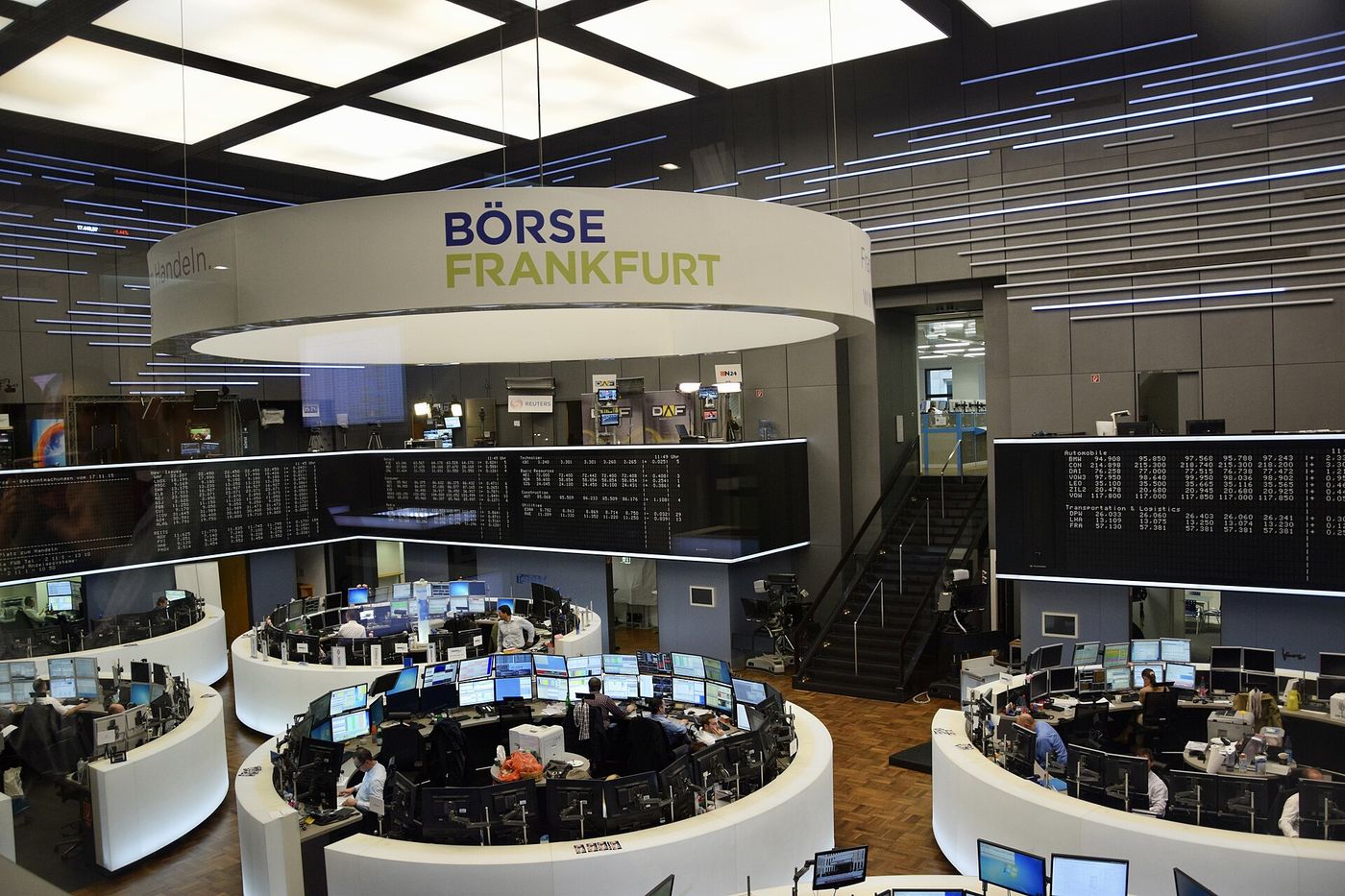
The Stoxx 600 closed down 0.3 percent at 613.6, with the energy index losing 2.4 percent, its worst day since June. Oil majors listed in London, Paris and Milan fell between 2 and 4 percent. Airlines rose about 2 percent on the prospect of lower fuel costs, and chemical makers, which use oil-derived feedstocks, gained 1.3 percent. The DAX was flat and the CAC 40 fell 0.5 percent.
Government bonds rallied modestly as the fall in oil fed expectations of lower inflation. The 10-year Bund yield fell three basis points to 2.61 percent, and the two-year yield, which is most sensitive to central bank policy, fell to 1.71 percent, slightly below the E.C.B.’s deposit rate. Money markets now price a roughly 45 percent chance of a rate cut on Oct. 29, up from 40 percent on Monday.
The euro eased 0.2 percent to $1.214 after Tuesday’s surge. Euro zone industrial production rose 0.4 percent in August, slightly better than forecast, led by Germany.
Gold slipped 0.4 percent to $4,632 an ounce as some investors took profits. Copper fell 1 percent on the London Metal Exchange, tracking the weaker energy complex.
A version of this article appears in print on Oct. 12, 2026, Section B, Page 12 of the European edition with the headline: Oil Falls Below $58 as OPEC Output Rises; Energy Shares Drag on European Stocks.