STOCKHOLM — A plant outside Umeå that bakes sawdust and logging residue into charcoal has become the first project in Europe to receive carbon removal credits certified under the European Union’s new framework, regulators said on Friday, a milestone for a market that has promised much and delivered little.
Norrland Kol AB, a company with 34 employees, was issued 18,400 certified units, each representing one ton of carbon dioxide removed from the atmosphere and stored for at least a century as biochar mixed into farm soils in the surrounding county. The certification was granted by an accredited Swedish auditor under the E.U. Carbon Removal Certification Framework, a law adopted in 2024 that sets out how removals must be measured, verified and tracked in a public registry.
“The voluntary market has spent 15 years asking people to trust a PDF,” said Lena Söderqvist, the company’s chief executive. “This is the first time a government has stood behind the ton.” She said the company had sold the units in advance to a Swedish bank, a packaging manufacturer and a Dutch pension fund at prices between 140 and 180 euros a ton, far above the few euros fetched by many forest-protection credits on the voluntary market.
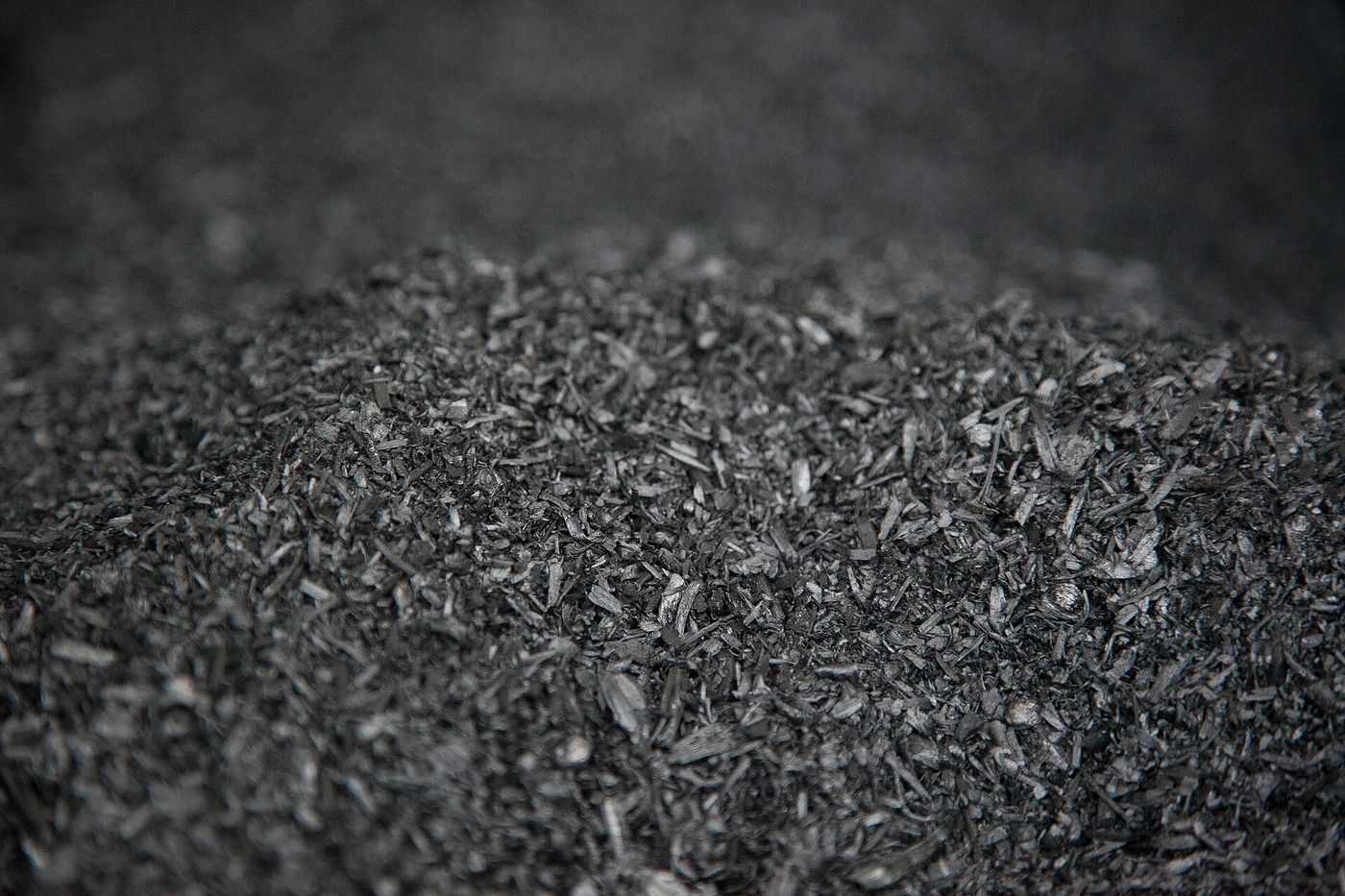
Biochar is made by heating biomass in a low-oxygen chamber, a process called pyrolysis, which drives off gases that are burned to run the plant and leaves behind a stable carbon that resists decay. Spread on fields, it holds water and nutrients, and farmers in the Umeå region receive it free in return for allowing soil sampling. The Umeå plant processes about 40,000 tons of forestry waste a year, material that would otherwise rot or be burned.
The E.U. framework is meant to bring order to a field in which investigations have repeatedly found credits that overstated their benefits. It requires a project to show that removals would not have occurred without the payment, that the storage is monitored and that any later release is deducted. Biochar, along with reforestation, wood construction and the capture of carbon from biomass power plants, is among the first methods for which detailed rules were finished.
“This is the easy case, and it still took two years,” said Dr. Tobias Franzén, who studies carbon markets at Chalmers University of Technology in Gothenburg. Biochar’s permanence is well established, he said, and a plant with a single feedstock and a weighbridge is easy to audit. The harder tests will come with soil-carbon farming and forestry projects, where measurement is contested and the storage can be reversed by a fire or a change of owner. “If the framework can say no to a bad forest project, it will have done its job,” he said.
The commission expects certified units to count toward corporate climate claims under new E.U. rules on green marketing and, eventually, to be purchased by member states toward national targets. Anders Hellström, who heads sustainability at the bank that bought part of the Umeå batch, said the price was high but defensible. “We used to buy credits that cost 4 euros and that our own auditors would not let us mention in the annual report,” he said. “Now we buy fewer, and we can say what they are.”
Norrland Kol is building a second plant near Skellefteå, and 11 other projects, in Sweden, Finland, Austria and the Netherlands, are in the certification pipeline. Ms. Söderqvist said the next milestone was not technical. “Eighteen thousand tons is a rounding error,” she said. “The question is whether this becomes a market or a museum piece.”
A version of this article appears in print on Oct. 12, 2026, Section A, Page 9 of the European edition with the headline: Europe Issues Its First Certified Carbon Removal Credits, to a Biochar Plant in Northern Sweden.