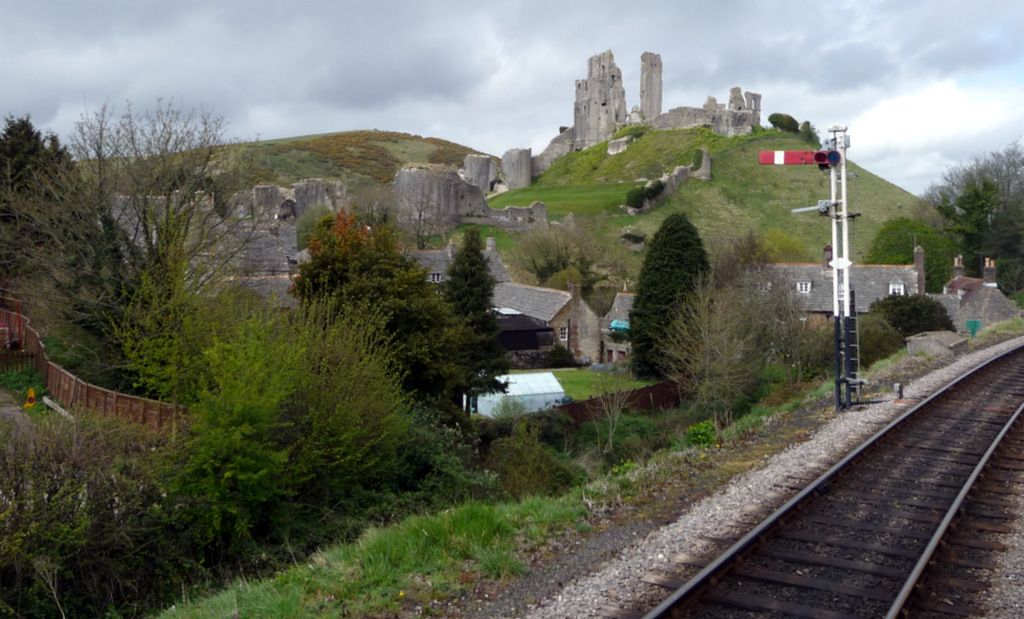
BRUSSELS — The European Commission on Thursday blocked the 3.4 billion euro acquisition of Ferroway, a Belgian maker of railway signaling systems, by its Austrian rival Signatec, ruling that the combined company would have dominated the market for the equipment that keeps Europe’s trains from running into one another and left railways with no credible alternative supplier.
It was the commission’s first outright prohibition of a merger since 2023 and the first major decision under a new competition commissioner who has been under pressure from Paris and Berlin to let European companies grow large enough to compete with Chinese and American rivals. The commission said the companies would have held between 55 and 60 percent of the European market for E.T.C.S. train-control equipment, the standard the bloc is spending tens of billions of euros to install across its network by 2040.
“Europe needs champions, but it needs trains more,” a senior commission official said in a briefing, speaking on the condition of anonymity under the institution’s rules. “Every national railway that buys this equipment told us the same thing: with two suppliers they get competitive bids, with one they get a price list.”
Signatec said it would appeal to the E.U.’s General Court. “We offered to divest a factory, license our software and guarantee prices for seven years, and the commission rejected all of it,” said Wolfgang Leitgeb, its chief executive. “The alternative to a European leader in this market is not two European companies. It is one Chinese one.” Ferroway, which is listed in Brussels, saw its shares fall 19 percent on the decision.
The argument over scale has dominated European competition policy since a 2024 report on the bloc’s competitiveness urged regulators to weigh global rivals more heavily and national governments to stop blocking consolidation. France and Germany, which were refused permission to merge their rail-equipment champions in 2019, have cited that decision as the moment Europe chose fragmentation. Competition lawyers say the commission has in fact approved most of the large European deals it has reviewed since then, with conditions.
“This was not a close call,” said Céline Vanackere, a competition lawyer in Brussels who was not involved in the case. “Rail signaling is a market with three serious suppliers in the whole of Europe. Going to two would have been difficult to approve in any decade. The champions debate is real, but this was not the case to fight it on.”
The railways themselves lobbied hard. Pieter van Oosterhout, who oversees signaling procurement for the Dutch rail infrastructure manager, said his agency’s last two tenders had drawn bids from both companies that differed by more than 20 percent. “That difference is the difference between finishing the Dutch network in 2035 and finishing it in 2042,” he said. “We are grateful somebody listened.”
Signatec has 60 days to file its appeal. The court has not overturned a merger prohibition since 2002.
A version of this article appears in print on Oct. 12, 2026, Section B, Page 7 of the European edition with the headline: Brussels Blocks Merger of Two Rail-Signaling Makers, Saying Europe’s Trains Would Pay the Price.