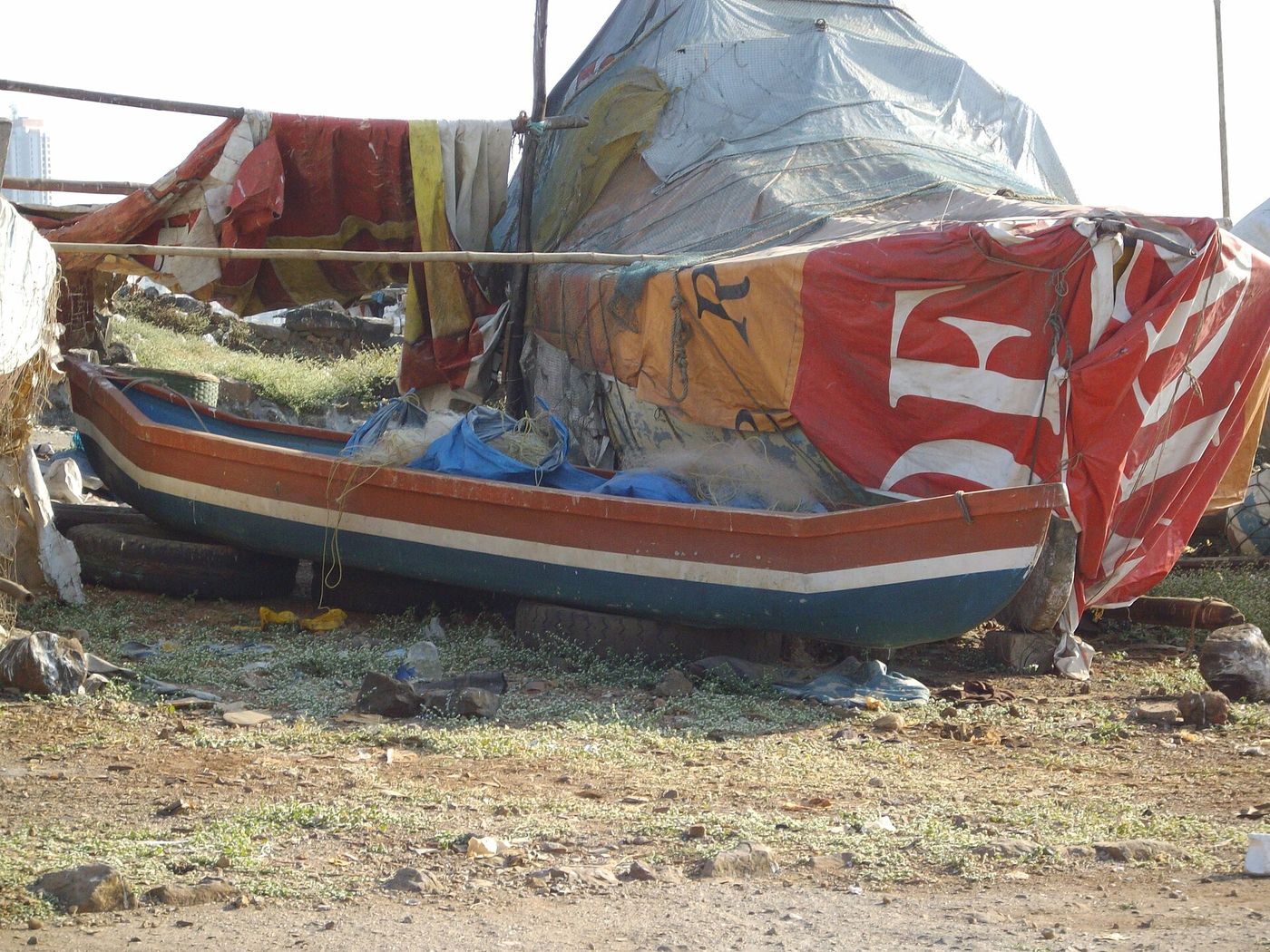
MUMBAI, India — The drive from Marine Drive to the Bandra sea link now takes 12 minutes on a good morning, and Mumbai’s motorists have made the coastal road one of the most photographed pieces of infrastructure in the country. For the fishermen of Worli, the view from below is different.
The 10.6-kilometer expressway, built on reclaimed land and a 2-kilometer tunnel beneath Malabar Hill, opened fully in 2025 at a cost of about 140 billion rupees, or $1.6 billion. The municipal corporation says it carries 130,000 vehicles a day and has cut carbon emissions along the route by an estimated 34 percent by eliminating stop-and-go traffic.
In the Worli Koliwada, a fishing settlement that predates the city, boat owners say the reclamation changed currents and silted the channel they have used for generations. Catch landed at the village’s jetty fell to 410 metric tons last year from 1,100 tons in 2019, according to records kept by the local fishing society. A 2022 settlement with the state promised each registered boat compensation for lost income during construction; of 1,840 claims filed, 612 have been paid, the society says.
“The road is finished. Our problem is not,” said Prakash Koli, 52, who heads the Worli fishermen’s cooperative and has fished the same stretch since he was 14. “The water that used to run clean between the pillars now sits still. Where the water sits, the fish do not come.”
The Brihanmumbai Municipal Corporation says the pillar spacing beneath the Worli stretch was widened to 120 meters at the fishermen’s request, at an added cost of 11 billion rupees, and that an independent study found no significant change in fish stocks attributable to the road. It attributes the lower landings to sewage outflows and warming sea temperatures that have affected the entire Maharashtra coast. “We did more for this community than any project in Mumbai’s history,” said Anjali Deshpande, the corporation’s deputy commissioner for infrastructure. “The remaining claims are being verified. Some are duplicates.”
The dispute has drawn attention because the coastal road is a template. Similar sea-facing expressways are planned or under construction in Chennai, Visakhapatnam and Kochi, and the Worli settlement is cited in each project’s environmental review. A study published in September by the Tata Institute of Social Sciences estimated that coastal infrastructure built in Mumbai since 2015 had displaced or reduced the income of about 23,000 people in traditional fishing communities, a figure the state government disputes.
The Koli, listed as an indigenous community by the state, have been here longer than the city’s name. Their villages are now wedged between luxury towers whose residents regard the fish-drying racks as an inconvenience. A developer has offered the Worli society 600 million rupees for its jetty land. The society has refused, twice.
On Sunday morning, Mr. Koli watched a line of cars glide past above his head on the way to the airport. “They will all get where they are going faster,” he said. “We are the only ones who are still here.”
A version of this article appears in print on Oct. 12, 2026, Section A, Page 11 of the European edition with the headline: Mumbai’s Coastal Road Opened to Applause. The Fishing Villages It Passed Are Still Counting Losses.



