CHITOSE, Japan — The first fabrication plant rising on the outskirts of this airport town was supposed to be the symbol of Japan’s return to the front rank of chipmaking. Instead, the most contentious question at Monday’s town hall was not about transistors but about the water table.
The Rapidus-led complex, financed in part by about 1.7 trillion yen, or roughly $11 billion, in government subsidies, is scheduled to begin volume production of 2-nanometer chips next spring. Its operator has applied for permits to pump up to 24,000 cubic meters of groundwater a day for a second fab, a volume the Hokkaido prefectural government compares to the daily consumption of a city of 150,000 people. The Chitose plain also supplies about 420 dairy and rice farms.
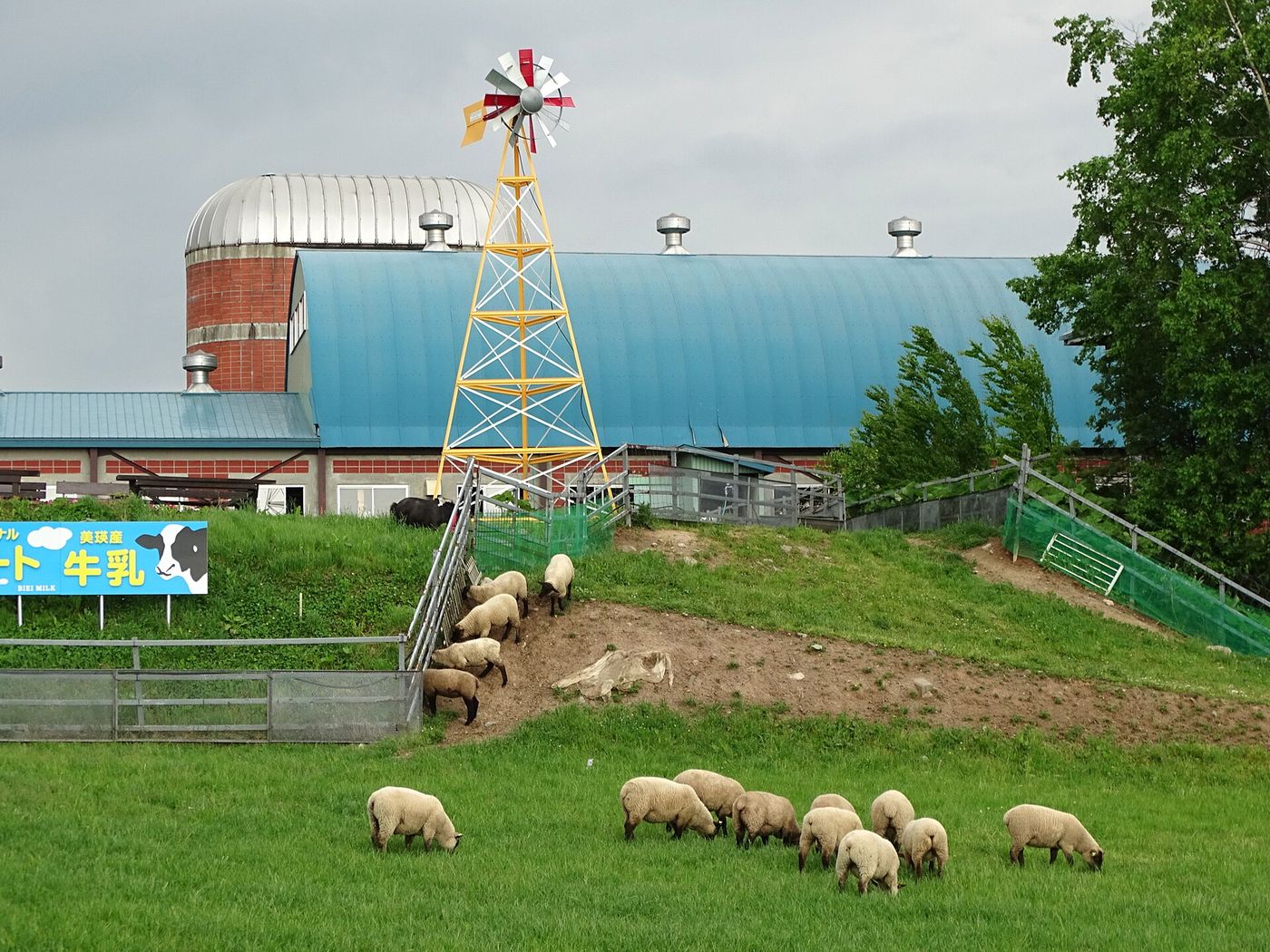
“Nobody here is against the factory. We are against being an afterthought,” said Kenji Horiuchi, 58, who runs 140 Holstein cows on land his grandfather cleared and who chairs the local agricultural cooperative. “When the river fell in August, our wells dropped 40 centimeters in a week. We want to know who gets the water when it is dry, in writing.”
The dispute has become a test of how Japan reconciles an industrial policy it considers existential with the rural constituencies that have long anchored its politics. Tokyo has committed more than 4 trillion yen to rebuild domestic chip manufacturing since 2021, and Hokkaido, with its cool climate and cheap land, was chosen in part because it was thought to have water to spare. A prefectural survey published in September found that the aquifer recharged about 12 percent less than its 30-year average over the past two years, which it attributed to lighter snowpack.
The plant’s operator says it will recycle about 75 percent of the water it uses and has offered to fund a 9 billion yen pipeline to bring surface water from the Chitose River for farm irrigation. Yuki Asanuma, the company’s head of regional affairs, told the meeting that the fab would use less water per wafer than any comparable facility in Taiwan or Arizona. “We are designing for scarcity from the first day,” she said.
Farmers were not reassured by the pipeline, which would not be completed until 2029. Under a draft agreement circulated by the prefecture, the plant would be required to cut its groundwater draw by 30 percent whenever monitoring wells fall below a set threshold, with farms taking priority. The company has not yet signed it.
Economists note that the stakes extend well beyond Chitose. Hokkaido’s government expects the complex to generate 1.9 trillion yen in regional output over a decade and to add about 7,000 jobs directly and in suppliers. Hotels in the town are fully booked through December with engineers from Tokyo and overseas. “The prefecture wants both. The question is whether the geology allows both,” said Noriko Fujisawa, a hydrologist at Hokkaido University who advised the survey.
Mr. Horiuchi said he had been offered a job as a consultant to the plant’s landscaping contractor, which he declined. “They want the pasture to look nice from the highway,” he said. “I want the pasture to be a pasture.”
A version of this article appears in print on Oct. 12, 2026, Section A, Page 3 of the European edition with the headline: Japan’s Chip Revival Collides With Hokkaido’s Farmers Over a Scarce Resource: Water.



