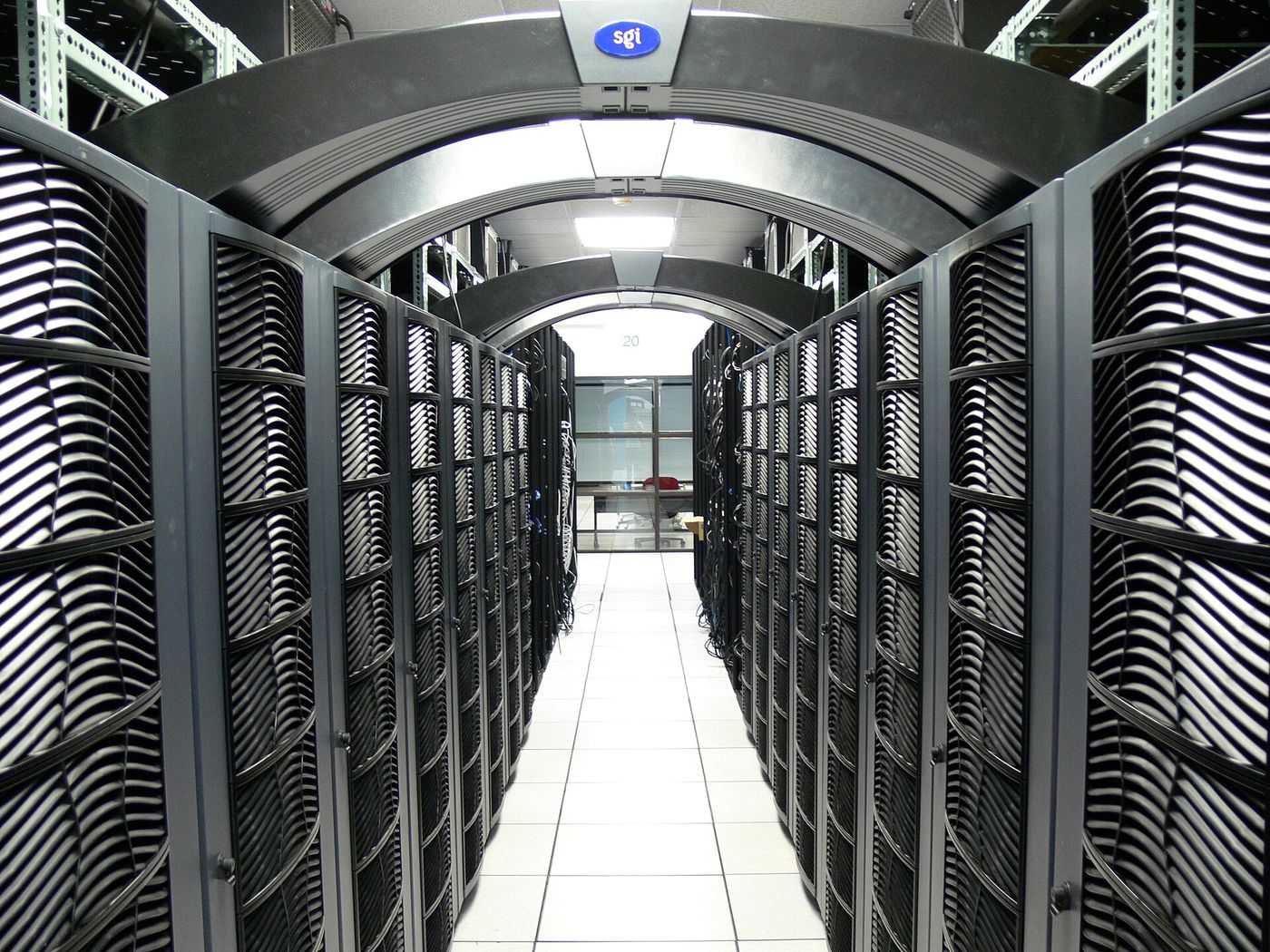
DUBLIN — For 15 years, Ireland sold itself to the world’s cloud companies as the place to put their servers: cool weather, low taxes, English-speaking engineers, and a grid with room to spare. The room ran out. Data centers consumed 23 percent of the country’s electricity last year, the highest share of any nation, and this week the government made official what the industry had been dreading.
Under rules published on Tuesday by the energy regulator, no new data center in the greater Dublin area will be connected to the grid before 2028, and any new facility anywhere in the country must supply or store enough of its own power to cover its peak demand. Developers call it the bring-your-own-electricity rule.
“Ireland was never going to be able to host everybody’s cloud,” said Niamh Ó Dálaigh, an analyst at a Dublin energy consultancy that advises data center operators. “The question was whether the grid would say no in an orderly way or in a blackout. This is the orderly way, and the industry will hate it anyway.”
The country hosts more than 80 data centers, most of them clustered west of Dublin around Grange Castle and Clondalkin, where the hum of cooling systems is now part of the suburban soundscape. Gerry Byrne, who has lived in Grange Castle for 40 years, said the fields he once walked had become “a city of sheds with no windows.” He was not unhappy to hear about the moratorium. “They can put the next one in somebody else’s field.”
That is precisely what is happening. Declan Mulcahy, a developer with three projects stalled in the Dublin queue, said he had signed options on land in County Londonderry, across the border in Northern Ireland, and was in talks for a site in southern Sweden. “The customers want to be in Ireland because they are already in Ireland,” he said. “But they want electricity more.”
The regulator’s spokeswoman, Fionnuala Hegarty, said the rules were not designed to drive projects away but to make them pay for the grid strain they cause. Facilities that build on-site generation, typically gas turbines paired with batteries, will be allowed to connect; those that commit to using their backup capacity to support the grid during shortages will move up the queue.
Climate campaigners say the compromise locks in gas. Ms. Ó Dálaigh said the alternative was worse. “Every megawatt of A.I. demand that leaves Ireland goes somewhere,” she said. “Sometimes it goes to Sweden and runs on hydro. Sometimes it goes to a place that burns coal. The grid does not care where the servers sit. The atmosphere does.”
The moratorium will be reviewed in 2028, when two new transmission lines and an offshore wind farm are due to come online. Mr. Mulcahy is not waiting. His Swedish site, he said, has been promised a connection in 14 months.
A version of this article appears in print on Oct. 12, 2026, Section A, Page 1 of the European edition with the headline: Ireland’s Data Center Boom Collides With Its Grid, and Cloud Builders Start Looking North.