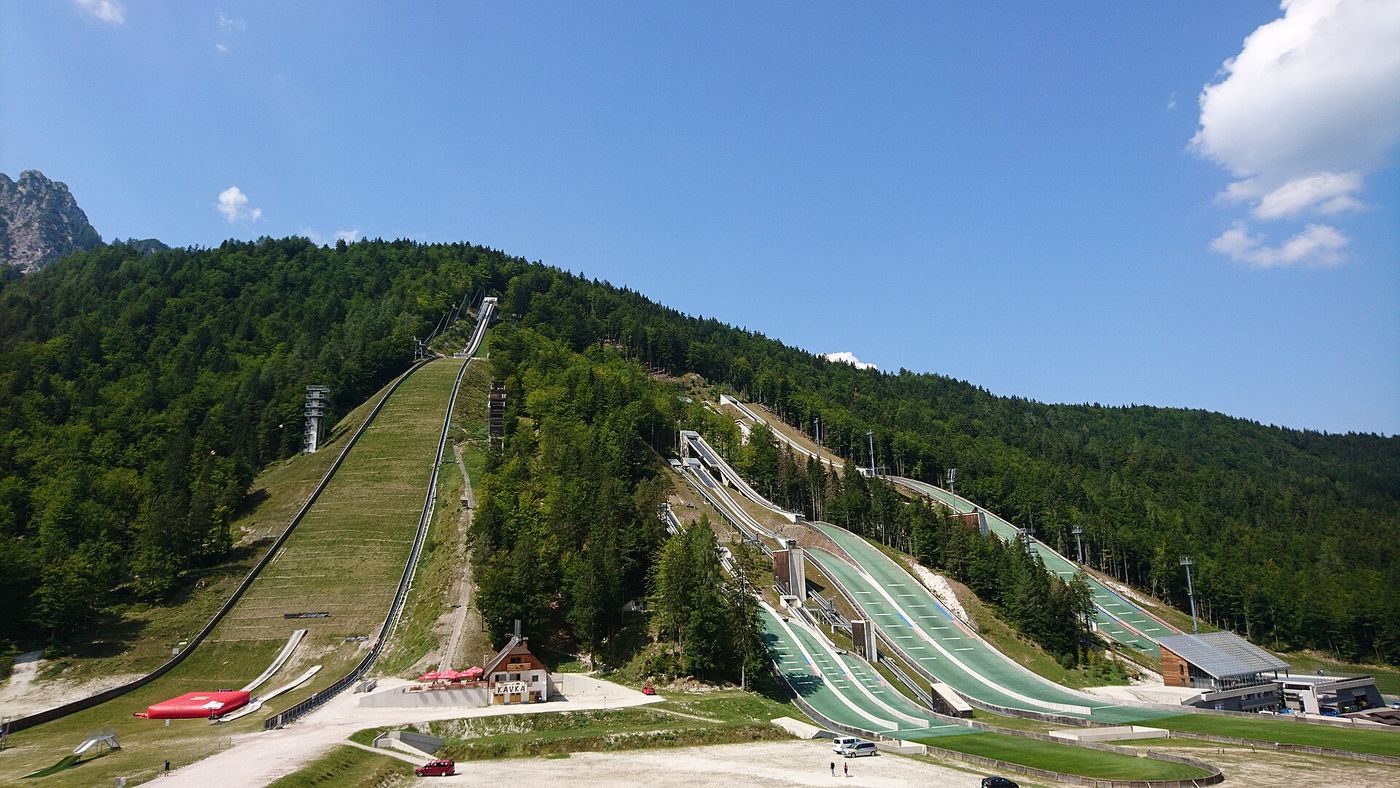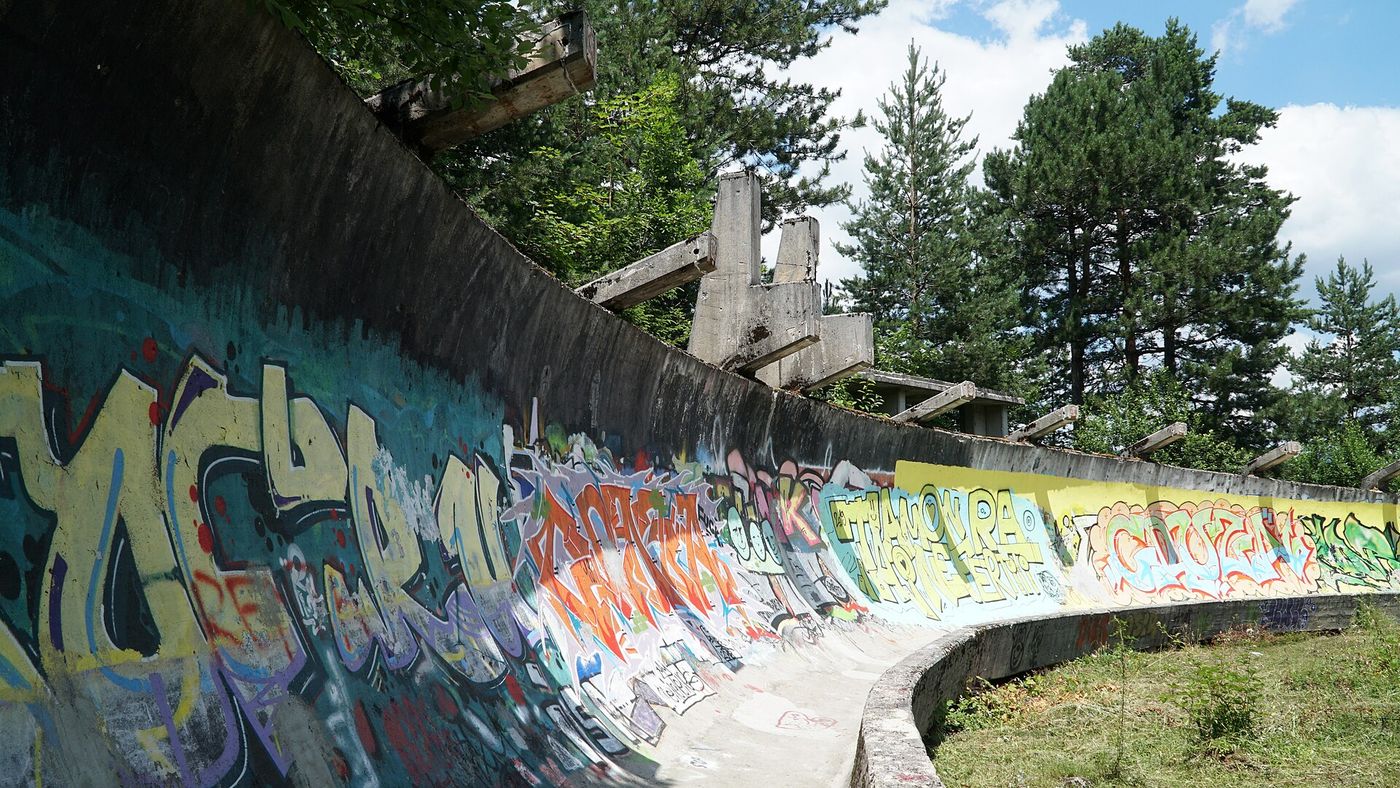
CORTINA D’AMPEZZO, Italy — The track curls down the hillside above this Dolomite resort in 16 banked turns, 1,650 meters of concrete under a roof of pale larch, and on a sunny morning last week it was silent except for a maintenance crew replacing a section of the refrigeration pipe. The ice was gone. Whether it comes back this winter is the subject of an argument that has reached Rome.
The sliding center, built in 25 months at a cost the regional government puts at 118 million euros, was the most contested venue of the Milan-Cortina Olympics, which ended in February. It hosted bobsled, luge and skeleton for 11 days. Since the Paralympics closed in March, it has staged nothing.
“The track is a technical success. Nobody disputes that. The athletes loved it,” said Elisabetta Zardini, the regional councilor for sport in the Veneto, in an interview in Venice. “The question is whether an Italian federation with 60 licensed sliders can justify 1.6 million euros a year to keep it cold, and the answer, honestly, is not without help.”
The dilemma is familiar from past Games. The track from the 2006 Turin Olympics, at Cesana, was closed in 2012 and has been stripped for parts. Tracks in Sarajevo and Nagano are derelict or converted. Of the 17 artificial tracks in the world, only a handful cover their operating costs, and those that do rely on steady World Cup calendars, national team training contracts and, increasingly, tourists who pay 120 euros or more for a ride in a four-man bob with a professional pilot.
The Cortina track’s operating foundation has proposed a mix of all three. It is negotiating with the international bobsled and luge federations for World Cup dates in 2027 and 2028, has signed a training agreement with the Austrian and German luge teams worth about 400,000 euros a year, and plans a tourist program that it says could generate 700,000 euros a season if the resort’s hotels sell it as a package. That still leaves a gap, and the foundation has asked the national government for 800,000 euros a year for five years.
The request has met resistance in Rome, where the Games’ overall cost, officially 1.7 billion euros for venues and 1.6 billion for operations, remains a political sore. “We were told during the bid that no new track would be built, then that it would be cheap, then that it would pay for itself,” said Andrea Lorenzin, a member of Parliament from the opposition who sits on the budget committee. “Now we are told it needs a subsidy forever. Each step was presented as the last.”
In Cortina, opinion is divided along familiar lines. Hoteliers favor keeping the track open; it is, they argue, the only Olympic venue in town that cannot be used for anything else. Environmental groups, which fought the construction, say the honest course is to close it. “Every euro spent cooling that concrete is a euro not spent on the trains people actually asked for,” said Marta Ghedina, who leads a local campaign group.
The foundation says it needs a decision by Nov. 15 to begin making ice for a January season. Ms. Zardini said she expected one. Asked which way, she said the track was built to run. “Nobody,” she said, “builds a thing like that to look at it.”
A version of this article appears in print on Oct. 12, 2026, Section D, Page 6 of the European edition with the headline: Eight Months After the Olympics, Cortina’s $120 Million Sliding Track Searches for a Reason to Run.