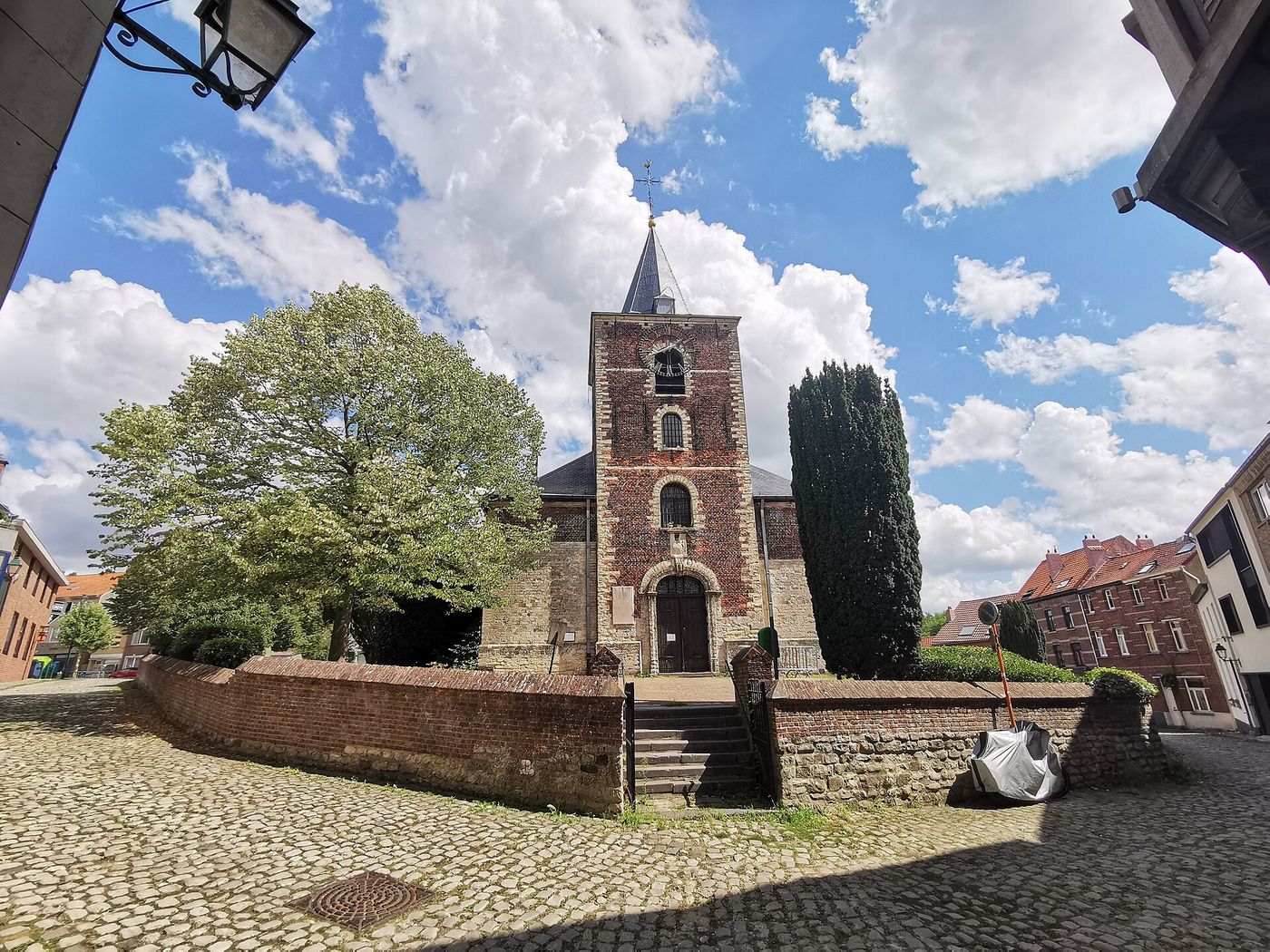
LINKEBEEK, Belgium — Belgium’s highest administrative court ruled on Thursday that the mayor of Linkebeek, a village of 4,800 people on the southern edge of Brussels, broke the law when he mailed voting notices in French to residents who had asked for them in that language, reviving a dispute that has outlasted every federal government since the 1960s.
Linkebeek is one of six “facility municipalities,” communes in Dutch-speaking Flanders where French speakers, who make up a majority of residents, have a legal right to deal with local government in French. What that right means in practice has been litigated for decades. The Flemish regional government holds that residents must request French documents each time; the mayors of the six municipalities, elected by French-speaking majorities, have held that a request should stand until withdrawn.
The Council of State sided with Flanders, as it did in 2014 and 2019, and annulled the mailing of 2,100 French notices for the October 2024 local elections. “The mayor is not free to interpret the language laws according to the wishes of his electorate,” the ruling said.
“I have been told I am a lawbreaker for sending a letter to a woman of 80 in the language she has spoken in this village all her life,” said Damien Lefèvre, the mayor, standing outside the town hall where a bilingual sign is itself the result of a court order. “Fine. I have been told that before. The next election is in 2030 and I will do the same thing.”
A spokesman for the Flemish government, Wouter Claes, said the ruling was “a confirmation of what everyone already knew, including the mayor.” He said Flanders had no intention of removing the facilities but would not accept their expansion by stealth. “The agreement was that these villages are Flemish, with protections for French speakers,” he said. “It was not that they are French villages that happen to be in Flanders.”
The six municipalities, with a combined population of about 75,000, sit at the heart of Belgium’s unresolved question of whether Brussels, an officially bilingual city that is overwhelmingly French-speaking, should be allowed to spread into the Dutch-speaking countryside around it. Lotte Peeters, a political scientist at the University of Antwerp, said the dispute endured because it cost so little. “Nobody is harmed by a letter in the wrong language,” she said. “That is exactly why it is such a good fight. Both sides can keep having it forever.”
On a street near the church, Marie-Claire Dubois, 72, who has lived in Linkebeek since 1979, said she would ask again for her next notice in French, as the ruling requires. “I have asked eleven times,” she said. “I can ask twelve.” Her neighbor, Bart Vermeulen, 51, who moved from Leuven a decade ago, shrugged when asked. “I speak both,” he said. “I would like the mayor to fix the pavement.”
A version of this article appears in print on Oct. 12, 2026, Section A, Page 14 of the European edition with the headline: In Brussels’ Flemish Suburbs, a Court Says the Mayor Must Write in Dutch, Again.



