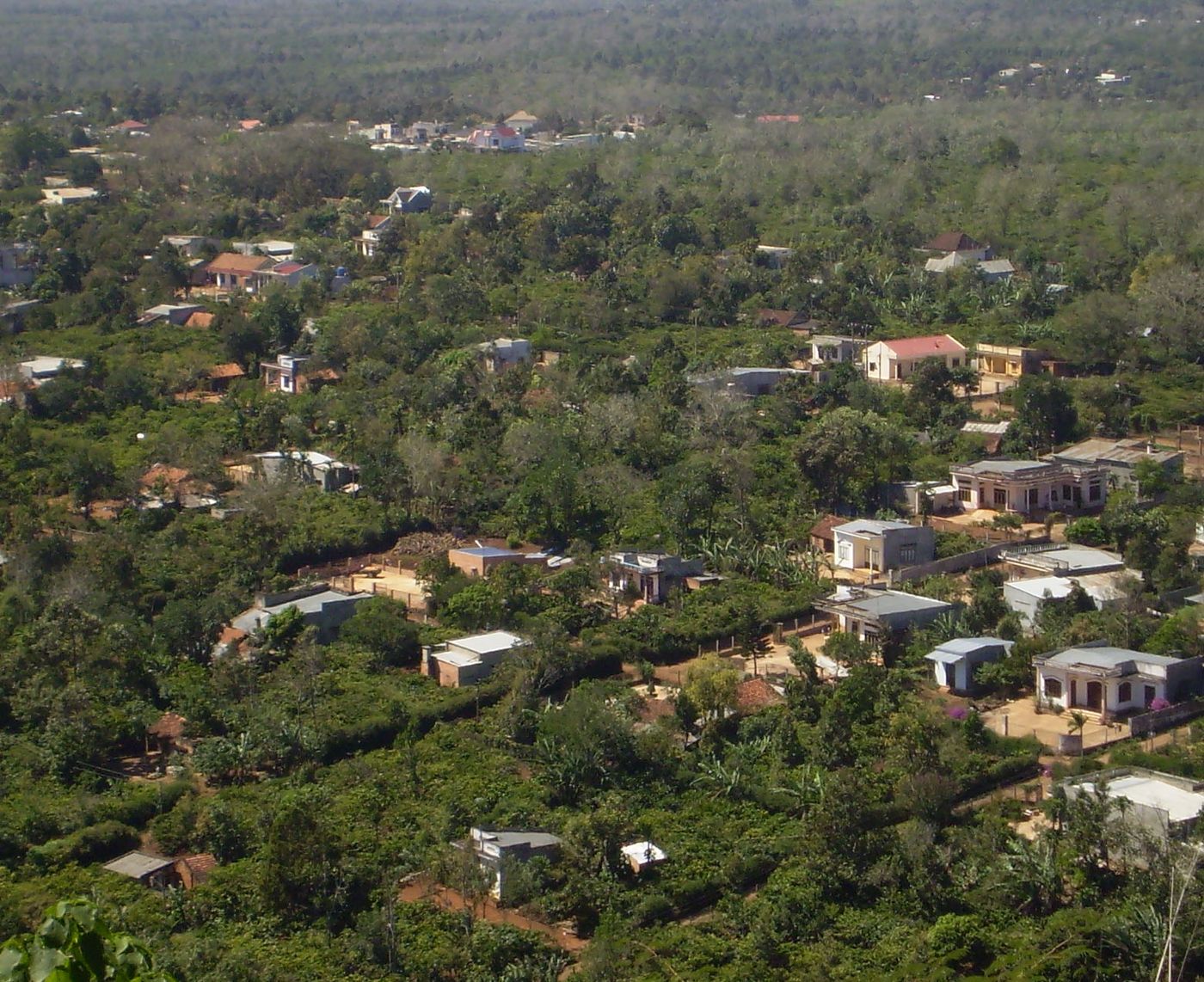
BUON MA THUOT, Vietnam — The pickup trucks in the market town of Buon Ma Thuot are newer this year, and the coffee-drying yards along Route 14 have been paved. On the slopes above the town, farmers who had abandoned their trees for durian and pepper a decade ago are planting coffee again.
Vietnam, the world’s largest producer of robusta, the bitter, caffeine-rich bean that fills most instant coffee and espresso blends, has had two of the most profitable seasons in its history. London robusta futures closed Friday at $4,310 a ton, down from a peak above $5,600 last year but still roughly double the average of the 2010s. Drought in Brazil, shipping disruptions and a run of poor harvests in the highlands themselves shrank global stocks, and the price of a kilogram at the farm gate in Dak Lak Province has risen to about 110,000 dong, or $4.30, from 40,000 three years ago.
The windfall is visible in the provincial accounts. Dak Lak’s agricultural bank branch reported that deposits from farming households rose 41 percent in the year to September, and the province issued 8,400 building permits for private homes, the most on record. Coffee exports from Vietnam earned $6.1 billion in the first nine months of the year, already above the full-year record set in 2025.
“For 20 years we were told to diversify because coffee would never pay,” said Y Blon Nie, 49, who farms 3 hectares outside the town and belongs to the Ede ethnic minority that predates coffee in the highlands. “This year my coffee paid for a tractor, my son’s university and a well. I am not diversifying.”
That is what worries agronomists. The highlands’ coffee acreage, which the government had sought to cap at 600,000 hectares, has expanded to an estimated 710,000 as farmers clear forest margins and convert rubber. Robusta is a thirsty crop in the dry season, and the region depends on groundwater that fell to record lows during the 2024 drought. A study by the Western Highlands Agriculture and Forestry Science Institute found that irrigation wells in Dak Lak were being drilled an average of 7 meters deeper than five years ago.
“Every boom in Vietnamese coffee has ended with too many trees and not enough water,” said Dr. Tran Minh Chau, the institute’s deputy director. “The difference now is that the climate has removed the margin we used to have.”
Exporters have a different concern: the European Union’s deforestation regulation, which took effect for large companies at the end of 2025 and requires coffee sold in Europe to be traceable to plots that were not cleared after 2020. About 40 percent of Vietnam’s coffee goes to Europe. Only an estimated 55 percent of highland farms have been mapped to the standard, and newly cleared plots will be excluded entirely. “The high price is pulling trees into exactly the land the regulation forbids,” said Le Hoang Nam, director of an exporter in Ho Chi Minh City.
Mr. Nie said he had registered his plots with a cooperative that handles the E.U. paperwork and was not planting on new ground. His neighbor, he said, was. “The price does not ask where the beans come from,” he said. “The buyer will. Eventually.”
A version of this article appears in print on Oct. 12, 2026, Section A, Page 13 of the European edition with the headline: Vietnam’s Coffee Farmers Finally Have the Prices They Wanted. Now They Fear What Comes Next.



