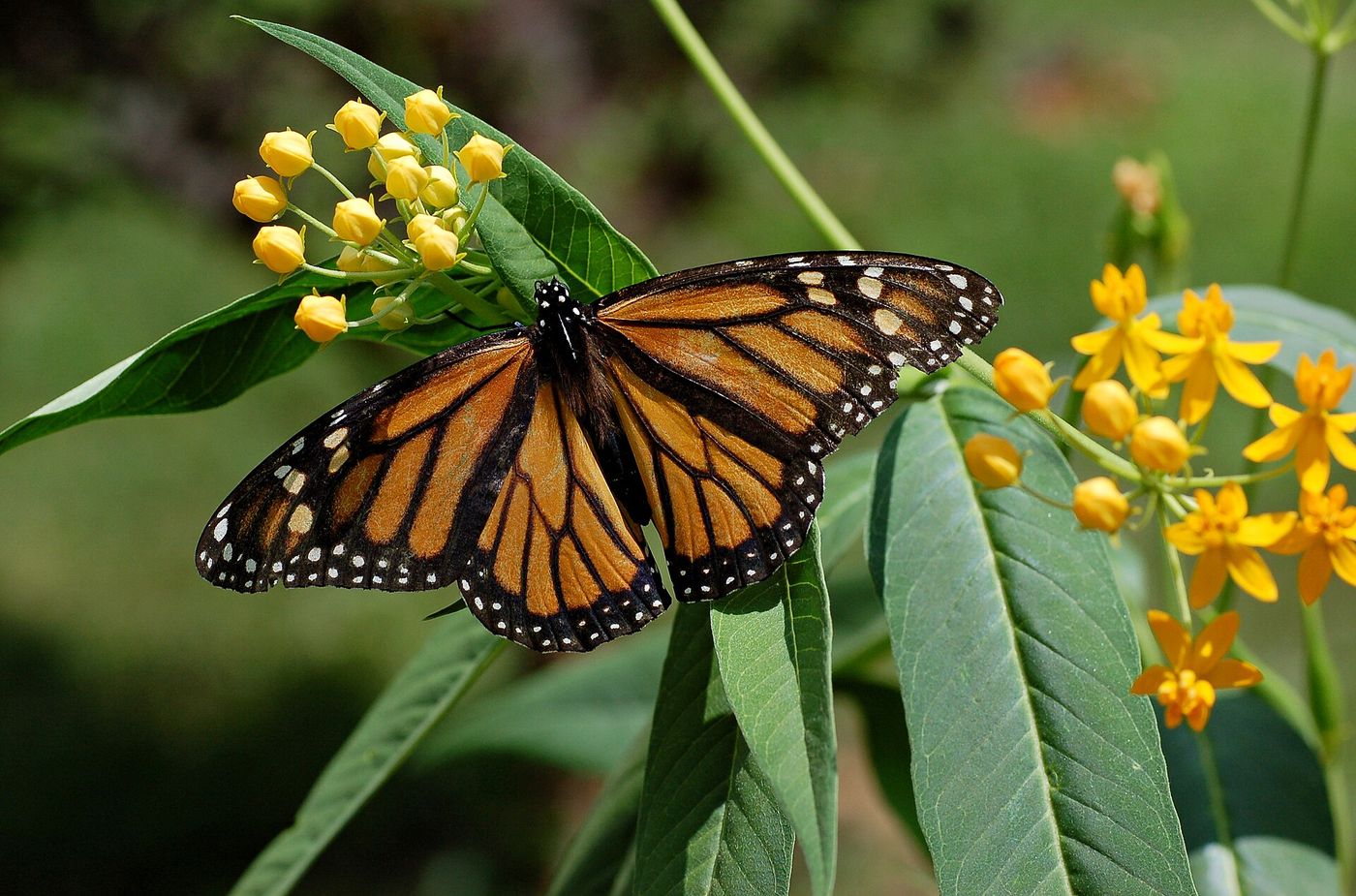
ANGANGUEO, Mexico — The monarchs came early this year, and nobody in Angangueo is quite sure what to make of it.
Forest rangers at the El Rosario sanctuary recorded the first dense clusters on the branches of oyamel firs on Oct. 9, the earliest arrival since systematic monitoring began in 1993. Tradition holds that the butterflies, which migrate as far as 4,000 kilometers from southern Canada, arrive with the Day of the Dead on Nov. 1 and 2, carrying, as local belief has it, the souls of the departed.
“My grandmother said they come when the dead come,” said Esperanza Cruz Moreno, 58, who sells tamales to visitors at the sanctuary entrance. “This year they came before we had even bought the marigolds.”
Scientists are more cautious about the meaning. A cool, wet September across Texas and the central United States appears to have pushed the migration south faster than usual, said Dr. Ignacio Robles Tapia, a biologist with the National Autonomous University of Mexico who has studied the colonies for two decades. Tailwinds from a strong cold front in the last week of September may have carried the butterflies across the Sierra Madre Oriental in a matter of days.
“Early is not necessarily bad,” Dr. Robles said. “The forest is cool and the butterflies are not burning fat. But it tells us the system is more variable than it was, and variability is what hurts a species that depends on timing.”
The number of monarchs reaching Mexico has fluctuated wildly in recent years. The area of forest occupied by colonies, the standard measure of the population, fell to 0.9 hectares in the winter of 2023-24, the second-lowest on record, before rebounding to 1.8 hectares last winter. Scientists attribute the swings to drought on the breeding grounds, the loss of milkweed to herbicides, and logging and disease in the winter forests. The World Wildlife Fund will release this winter’s count in February.
The early arrival has given the 12 communal land holdings, or ejidos, that manage the sanctuaries an unexpected windfall. The sanctuaries normally open to visitors in mid-November. This year the Michoacán state government authorized an early opening on Oct. 17, and tour operators in Morelia reported that weekend bookings had already sold out.
Tourism brings an estimated 180 million pesos a year to the region, money that local leaders say has reduced the illegal logging that once threatened the forests. Patrols by community members, paid partly from entrance fees, have cut tree losses in the core protected zone to near zero since 2020, according to federal environmental officials.
On Saturday afternoon, the first visitors climbed the steep trail to the colony at El Rosario, where a few thousand butterflies, warmed by the sun, lifted off the branches in an orange cloud. Ms. Cruz watched from below. “They can come whenever they want,” she said. “As long as they come.”
A version of this article appears in print on Oct. 12, 2026, Section A, Page 13 of the European edition with the headline: Monarch Butterflies Arrive Early in Mexico’s Mountains, Puzzling Scientists and Delighting Villagers.



