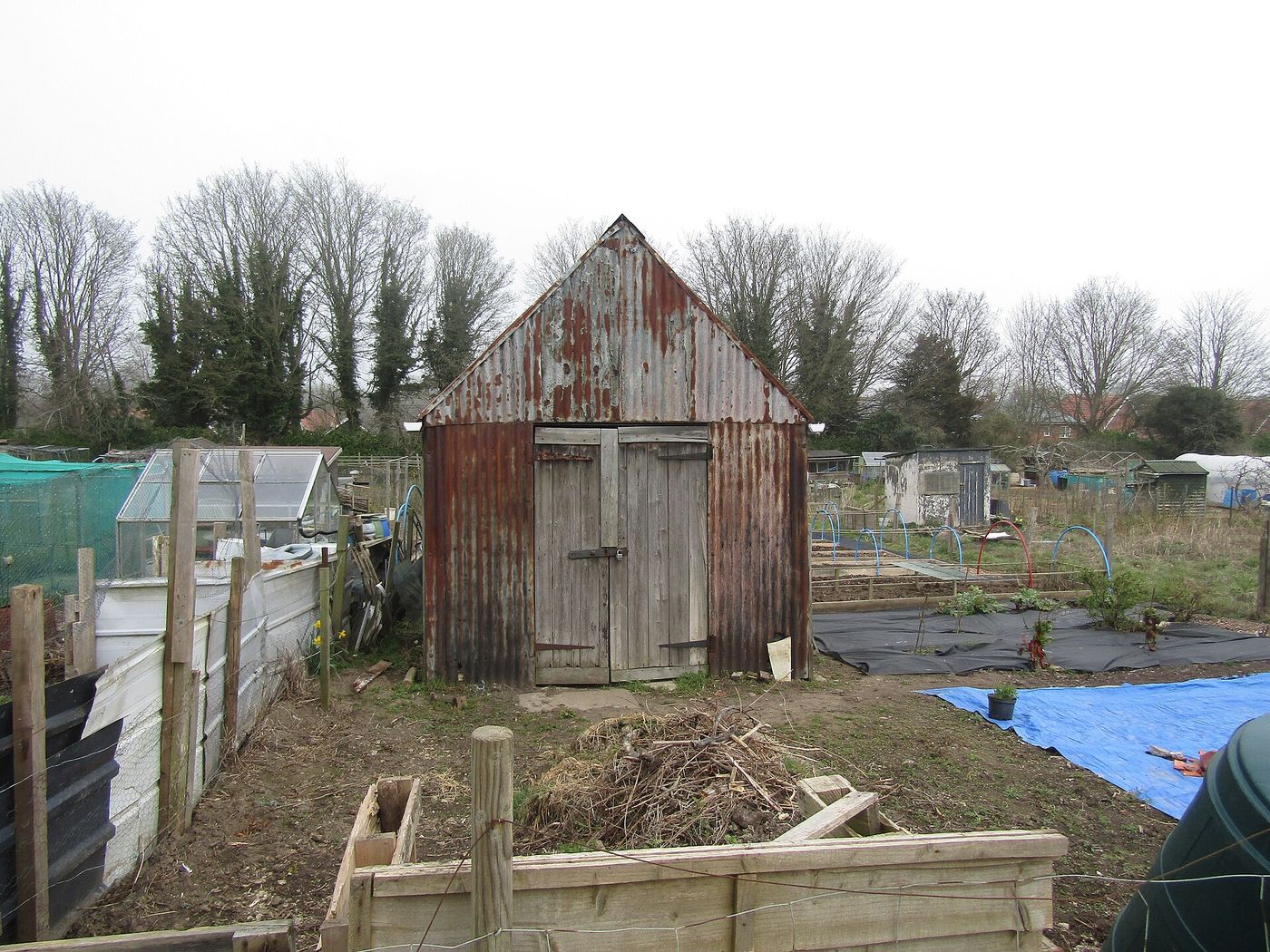
An allotment, for readers outside Britain, is a small plot of public land rented by the year for growing vegetables, and an allotment site is a few dozen of them side by side, with sheds, a water tap, a committee, and rules. It is, as the writer Jas Dhillon has realized, a perfect place to put a sitcom, because it contains everyone and they cannot leave.
“The Allotment,” which concludes its first season on the BBC on Thursday and is already the broadcaster’s most-streamed comedy of the year, is set on a site in Leeds with 14 plot holders and one long-running dispute about a hedge. Its cast includes a retired steelworker, played by the veteran Malcolm Ridley, who has held plot 7 since 1981 and regards the newcomers with a suspicion he does not trouble to hide; a 30-year-old Punjabi-British software engineer, played by Dhillon herself, who has taken plot 12 for her mental health and is finding it worse; a couple from London who bought a house nearby and believe they are making friends; and a committee chair, played by Pauline Hartley, who has power over the water rota and knows it.
The episodes are short, 28 minutes, and the plots are tiny: a missing wheelbarrow, a dispute about whether a greenhouse counts as a structure, a visit from the council. What Dhillon does with them is remarkable. Every argument about compost is an argument about something else: who belongs, who arrived when, who has the right to tell whom what to do with a piece of ground. The couple from London are not villains. They are just wrong about everything, in a way the show allows them, slowly, to discover.
Ridley, who has been a fixture of British television for 40 years without ever quite getting a role like this, gives the performance of his career. His steelworker is not a lovable curmudgeon; he is a frightened man who has lost a wife, an industry, and a city, and has kept a vegetable patch. In the fourth episode, when Dhillon’s character finds him sitting in his shed in the rain, the show stops being a comedy for about three minutes and is better for it.
The weakest element is a running gag about a fox, which the show returns to more often than it should, and the fifth episode, built around a harvest show, is broader than the others. But the finale, which I have seen, resolves the hedge dispute in a way that is both funny and, unexpectedly, moving, and leaves the door open to a second season that has, rightly, already been ordered.
“The Allotment” concludes Thursday on BBC One and is available on iPlayer. Six episodes.
A version of this article appears in print on Oct. 12, 2026, Section A, Page 12 of the European edition with the headline: Review: In “The Allotment,” a British Comedy Finds the Whole Country in a Vegetable Patch.