DÜSSELDORF, Germany — The price of a 250-gram block of butter at Germany’s discount grocers fell to 1.19 euros last week, down from a peak of 2.39 euros two years ago. It was the third cut since August, and the full-line supermarket chains matched it within days, as they have matched every cut this autumn.
Food inflation in Germany was 0.4 percent in September, down from double digits in 2023, but shoppers have not forgiven the earlier increases. Grocery sales volumes remain about 3 percent below 2021 levels, and the discount chains’ share of the market has climbed to 45 percent. In response, the large chains have cut prices on between 300 and 500 staple items each, from milk and flour to pasta and coffee, and have advertised the cuts on billboards in a way the industry has not seen since the 1990s.
The money has to come from somewhere, and suppliers say it is coming from them. Molkerei Wiesental, a dairy cooperative in the Allgäu region with 1,100 member farms, said the price it receives for butter from its largest customers had fallen 28 percent this year, and that it had cut the price it pays farmers for milk to 41 cents a kilogram, below what many say it costs to produce. “We are not negotiated with,” said Christoph Angerer, its managing director. “We are told the price and told to find a way.”
Germany’s grocery market is the most concentrated of any large European country, with four groups controlling about 85 percent of sales. The Federal Cartel Office has opened a sector inquiry into buyer power, and the E.U.’s directive on unfair trading practices gives suppliers a formal complaints channel, though few use it for fear of being delisted. Ute Kellermann, who heads a dairy farmers’ association in Bavaria, said 60 farms in her district had stopped milking this year. “The consumer sees butter for 1.19 and thinks the farmer must be fine,” she said. “The farmer is not fine.”
Retail analysts say the war is as much about identity as about margins. “The discounters’ problem is that everyone now sells cheap,” said Sven Dittrich, who follows the sector for a Frankfurt bank. “Their answer is to sell cheaper, because cheap is the only thing they have ever been. The full-line chains are following because they cannot afford to be seen as expensive, and nobody is making money.” Operating margins across the sector are between 2 and 3 percent.
Private-label goods, which now account for about 40 percent of grocery sales in Germany, are the chains’ lever. One chain removed about 60 branded products from its shelves in September after their manufacturers refused new terms, replacing them with its own labels. The manufacturers say they expect the products to return once the chain has made its point.
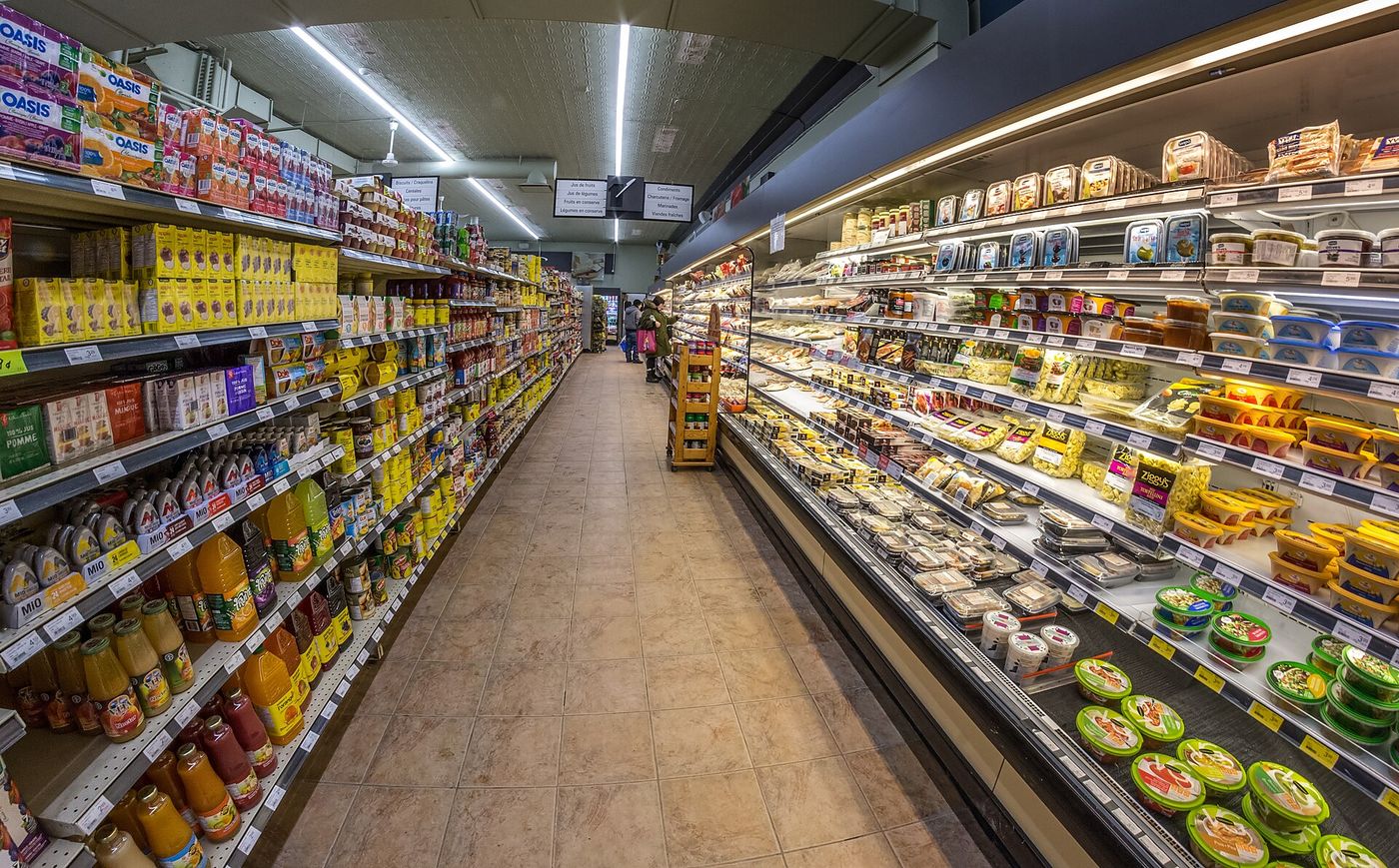
In a supermarket in the Bilk district on Tuesday, Renate Oberländer, 67, a retired teacher, had a cart full of own-brand goods and no illusions. “When butter was 2.39 everyone said it was greed,” she said. “Now it is 1.19 and someone is still paying. I would just like to know who.”
Mr. Angerer, the dairy manager, had an answer. “Butter at 1.19 is not a price,” he said. “It is a message. It says: we decide.”
A version of this article appears in print on Oct. 12, 2026, Section B, Page 4 of the European edition with the headline: Germany’s Grocers Go to War on Prices, and Their Suppliers Are Paying for It.