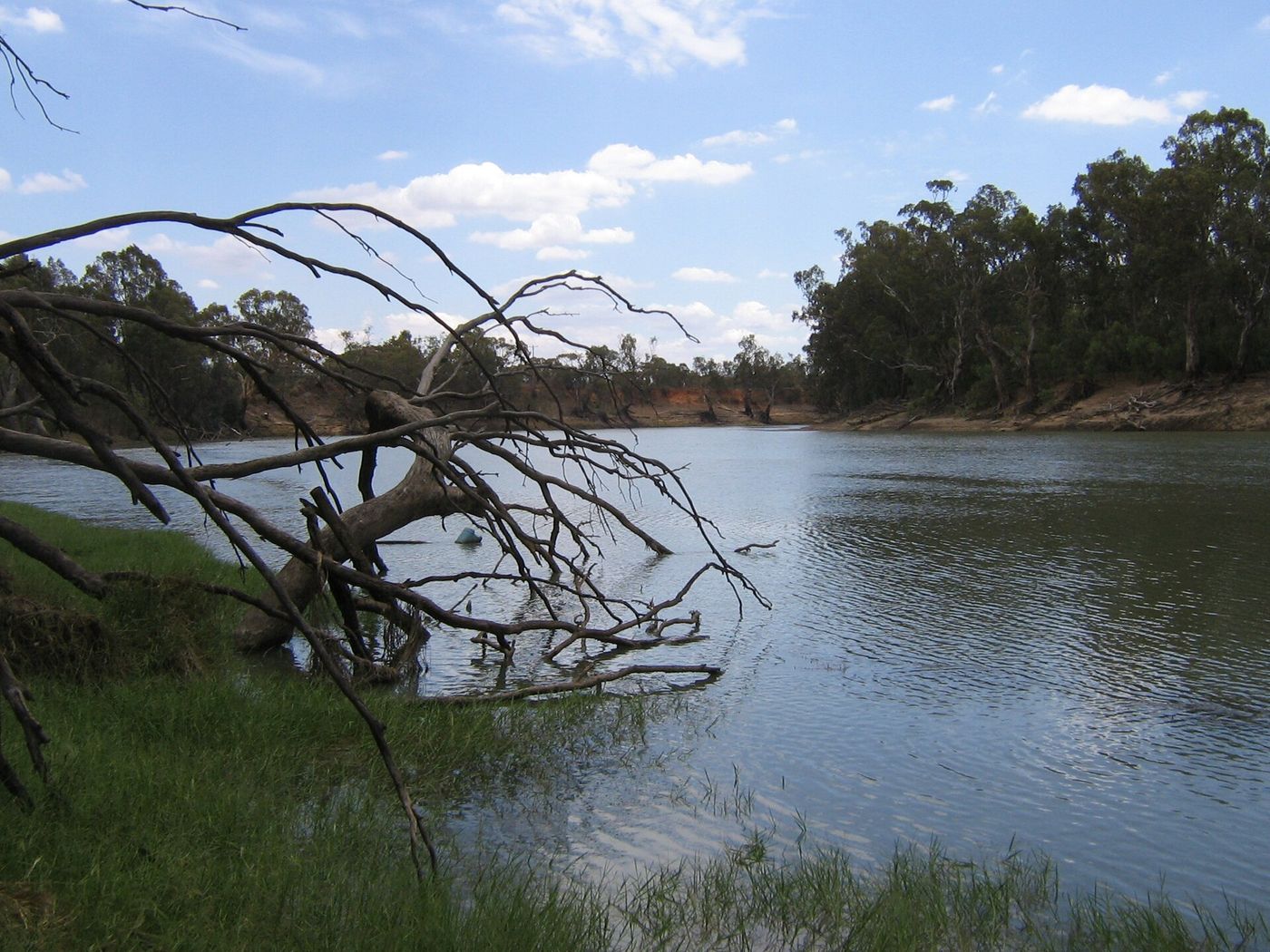
MILDURA, Australia — The Murray River runs wide and brown past the citrus packing sheds of this town in northwestern Victoria, 550 kilometers from Melbourne, and nearly everyone here can tell you how many megaliters it takes to grow a hectare of oranges. Fewer can tell you what the town will look like when the water stops coming.
The federal government confirmed on Thursday that it would open a fourth round of voluntary water buybacks in the Murray-Darling Basin, offering to purchase up to 300 gigaliters of irrigation entitlements from willing sellers for an estimated 3.5 billion Australian dollars, or $2.3 billion. The water will be returned to the river system to meet a target of 450 gigaliters of additional environmental flows set under the basin plan of 2012, a target that successive governments missed and that is now due in 2027.
The Murray-Darling drains a seventh of the continent and supports about 40 percent of Australia’s agricultural output. Decades of over-allocation, followed by the millennium drought of the 2000s, left the river mouth in South Australia silted shut and wetlands along the lower Murray in collapse. The basin plan rebalanced allocations between farms and the environment, but the final 450 gigaliters were to come from efficiency projects that, by the government’s own audit, delivered less than a third of what was promised.
“We tried the gentle way for 13 years. The river did not get the water,” said Dr. Helen Pascoe, chair of the Murray-Darling Basin Authority’s advisory committee. “Buybacks are blunt, but they are real. A gigaliter purchased is a gigaliter in the river.”
In Mildura, the arithmetic is read differently. The region’s irrigators’ council estimates that every gigaliter removed from production takes with it about 8 full-time jobs in picking, packing and processing. The previous buyback round, in 2024, removed 112 gigaliters from the southern basin, and the council attributes the closure of a dried-fruit plant in nearby Merbein, with 140 jobs, in part to the loss of supply. Water prices on the basin’s trading market have risen to about 420 Australian dollars a megaliter on the spot market, double the 2021 level, which growers say is itself a product of government purchasing.
“The government is the biggest buyer in the market and it is competing against us,” said Graham Tattersall, 63, who grows wine grapes and almonds on 220 hectares outside Mildura and chairs the irrigators’ council. “Every round, the price goes up, the family that sells leaves town, and the ones who stay pay more to farm the same ground.”
The government says buybacks are voluntary and that the program includes 300 million Australian dollars for affected communities. Economists note that the sellers are often older farmers without successors, and that the money, paid at market rates, has financed retirements and new ventures elsewhere. A review of the 2024 round found that 70 percent of the water purchased came from properties under 50 hectares.
Downstream in South Australia, where the river flows into the Coorong lagoon, the view is simpler. “When Mildura gets the water, we get the salt,” said Jenna Kartinyeri, a Ngarrindjeri elder who sits on a lower-lakes advisory board. “The river was shared before there were farms. It can be shared again.” Mr. Tattersall, asked about the Coorong, said he had never been. “I should go,” he said. “Before I see what it costs us.”
A version of this article appears in print on Oct. 12, 2026, Section A, Page 7 of the European edition with the headline: Australia Resumes Buying Back River Water, and Farm Towns Along the Murray Brace for the Bill.



