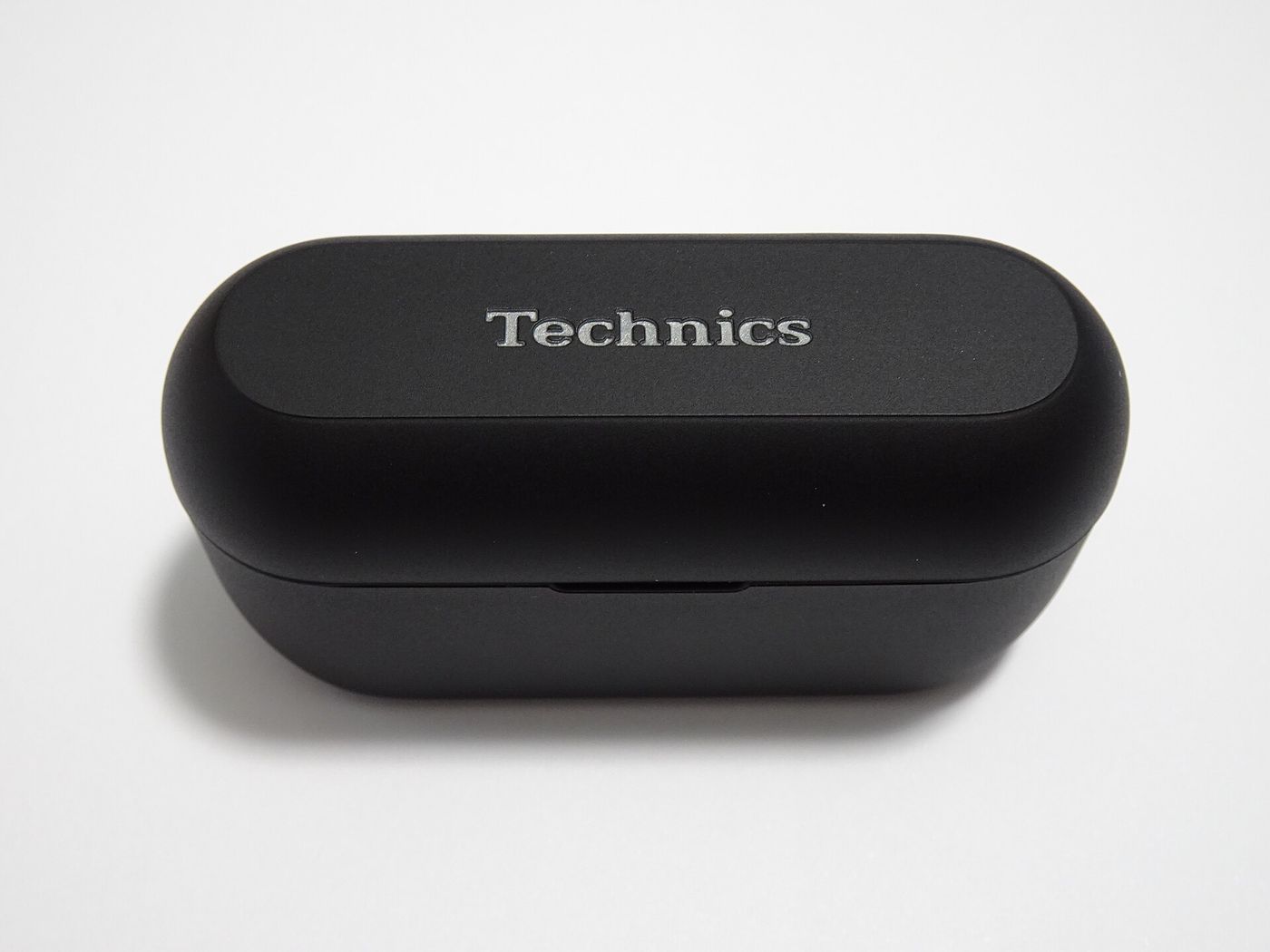
COPENHAGEN — A pair of wireless earbuds that sell for 249 euros can now be legally marketed across the European Union as a hearing aid, after regulators granted the device medical-device status on Thursday for adults with mild to moderate hearing loss. The decision rattled the three large Danish manufacturers that, together with a Swiss rival, make most of the world’s conventional hearing aids, and whose shares fell between 5 and 8 percent on the day.
The earbuds, made by an American consumer electronics company, use a hearing test administered through a phone app to build a personal amplification profile, then boost speech frequencies while suppressing background noise. They also play music and take calls. A conventional hearing aid, fitted by an audiologist, costs 1,500 to 2,500 euros per ear in Denmark before subsidies.
“For 40 years the business model was that hearing loss is medical, embarrassing, and expensive,” said Kasper Nørgaard, an analyst who covers the industry for a Copenhagen bank. “The earbud says it is a feature, like noise cancellation. That is a very hard message to compete with when the customer is 58 and vain.”
About one in four Europeans over 60 has hearing loss that would benefit from amplification, according to the World Health Organization, but only around 30 percent of them use a hearing aid. Cost is one barrier; stigma is a larger one. Henrik Thomsen, 63, a retired ferry captain from Helsingør who tested the earbuds in a Danish trial, said he had refused a hearing aid for six years. “A hearing aid says old. These say I am listening to a podcast,” he said. “I can hear my granddaughter now, and nobody knows why.”
Audiologists are more cautious. Mette Lindgaard, who runs a hearing clinic in Aarhus, said the app-based test was adequate for the simple cases it was approved for but could miss conditions that need a doctor, including one-sided loss caused by tumors. “The danger is not that the earbuds work badly,” she said. “It is that they work well enough that a man with a serious problem never walks through my door.”
The Danish manufacturers argued in submissions to the regulator that the earbuds should have been restricted to pharmacies and clinics. They lost. Their response, analysts expect, will be to move downmarket: two of the three already sell simplified devices online in the United States, where similar over-the-counter rules took effect in 2022 and where the traditional makers have lost about 10 percent of unit volume to consumer brands.
Mr. Nørgaard said the Danish companies still had an advantage in severe hearing loss, where fitting is complex and earbuds cannot compete. “The question is whether the mild cases were the profit,” he said. “I think they were.”
A version of this article appears in print on Oct. 12, 2026, Section A, Page 9 of the European edition with the headline: Earbuds That Double as Hearing Aids Win E.U. Approval, Rattling a Danish Industry.