TBILISI, Georgia — On a hill above the Mtkvari River, where a Soviet-era sports complex stood until 2023, the steel frame of a 30,000-seat rugby stadium is nearly complete. When it opens next autumn, it will be the largest purpose-built rugby ground east of Paris, and the Georgian Rugby Union intends it as an argument.
“We have won the European championship 17 times in 20 years. We have beaten Wales, Italy, Scotland and Fiji. We have 24,000 registered players, more than Italy had when it joined,” said the union’s president, Levan Tsiklauri, walking the site on Thursday with a hard hat under his arm. “The only thing we have not done is be invited.”
The Six Nations, the annual championship contested by England, France, Ireland, Italy, Scotland and Wales, has not added a member since Italy in 2000, and its organizers have repeatedly said there is no mechanism for promotion. Georgia’s campaign, which has run on and off for a decade, has gained urgency as the sport reorganizes its international calendar from 2026 and as Italy, the championship’s perennial last-placed team, has begun to win matches, removing the easiest argument for a swap.
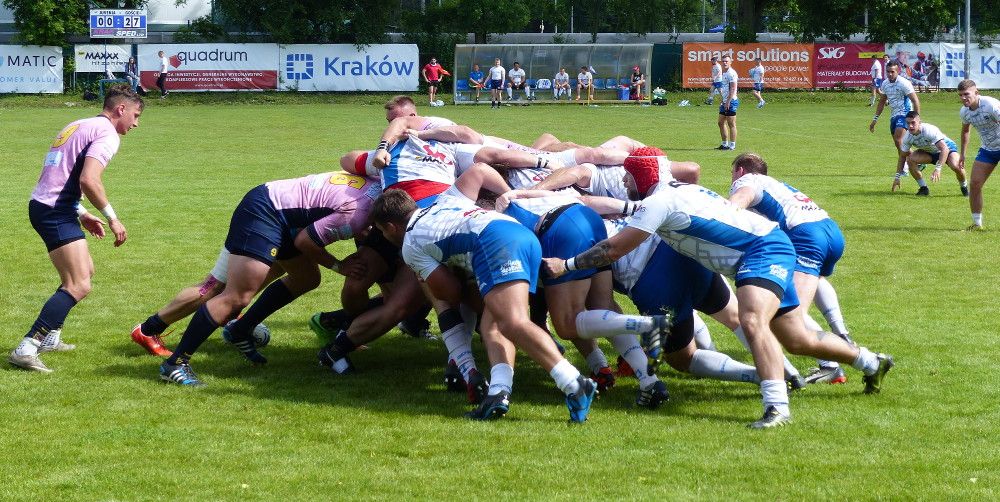
The case rests on numbers and on a cultural claim. Rugby is the most watched sport in Georgia after soccer; the national team’s matches draw television audiences of 1.5 million in a country of 3.7 million. The union’s budget, about 19 million euros, is funded largely by a founder of the country’s largest bank, and it has built 47 artificial pitches in regional towns since 2015. Georgia’s scrum, built on a village wrestling tradition called chidaoba, is considered among the strongest in the world.
“The question the Six Nations has never answered is what Georgia should do differently,” said Mamuka Gelashvili, the national team’s head coach, a former prop who played professionally in France. “We are told to win more. We win. We are told to build infrastructure. We build. At some point it is not about rugby.”
The economic case cuts the other way. The championship’s broadcast and sponsorship revenue, about 110 million euros a year, is split among its members, and adding a seventh would reduce each share. Georgian television rights are worth a small fraction of any current member’s. A promotion-relegation system, which Georgia has proposed, would put the existing unions at risk of losing a share that funds their domestic games.
“It is a club, and clubs protect their members,” said Fiona McAllister, a sports economist at the University of Stirling who has studied the championship’s finances. “The honest position is that Georgia would make the tournament better and poorer, at least for a decade. Nobody wants to say that out loud.”
Georgia plays Italy in Tbilisi next month, in a match the union has scheduled at the old national stadium because the new one is not ready. Mr. Tsiklauri expects 50,000 people. “We will win or we will lose,” he said. “Either way, they will see the crowd.”
A version of this article appears in print on Oct. 12, 2026, Section D, Page 16 of the European edition with the headline: Georgia Builds a 30,000-Seat Stadium and Presses Its Case to Join the Six Nations.