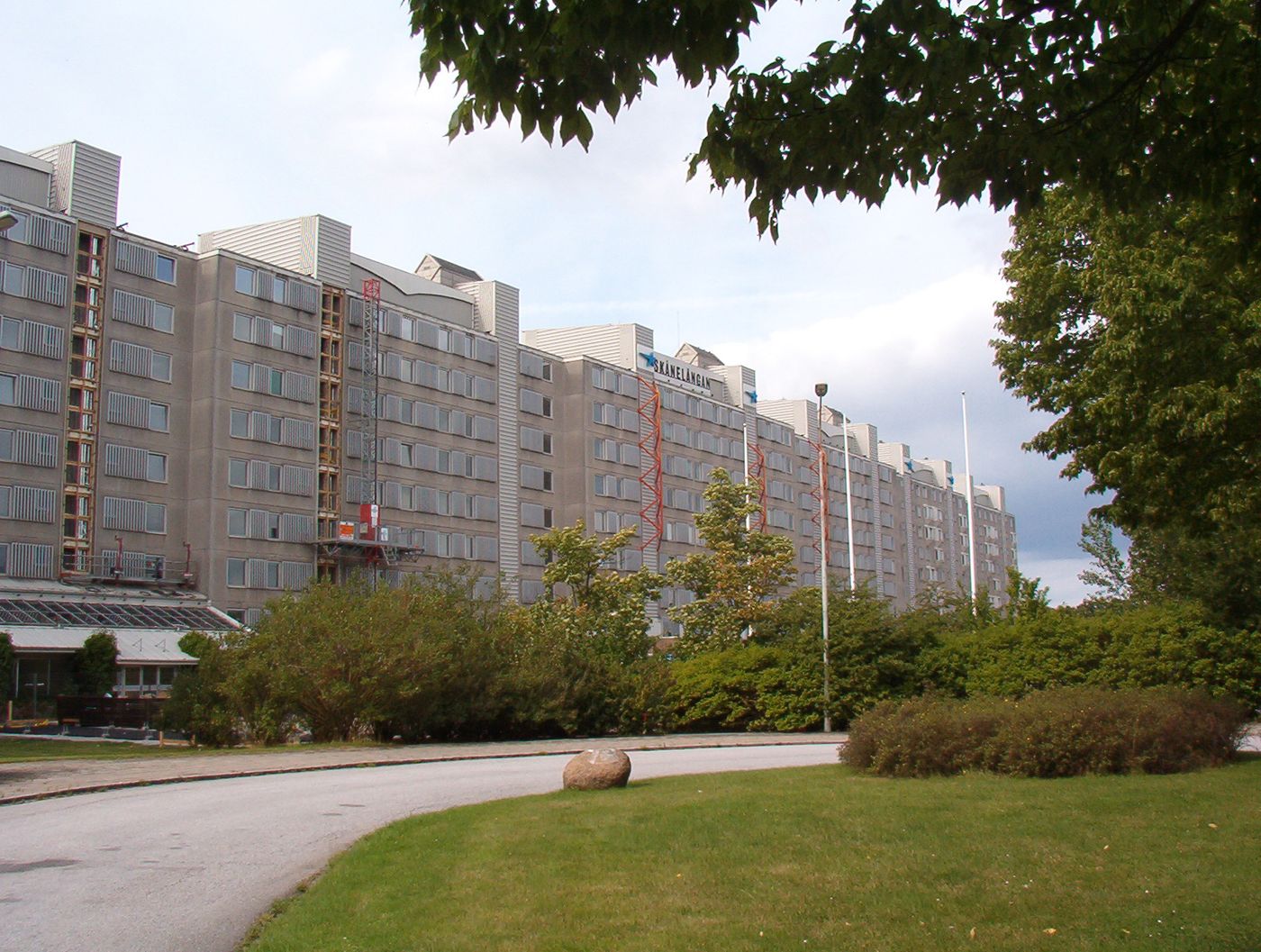
MALMÖ, Sweden — Sweden will allow the police to declare stop-and-search zones in six additional cities, the Justice Ministry said on Friday, extending a contested tool that officers credit with cutting shootings and that critics say has mostly produced empty pockets and resentment.
The zones, introduced in 2024 amid a surge in gang violence that gave Sweden one of the highest rates of gun homicide in Europe, allow the police to search people and vehicles without individual suspicion for up to two weeks in a defined area. A review by the National Council for Crime Prevention, published on Friday alongside the announcement, found that 41 zones had been declared in the law’s first two years, producing 31,400 searches, 212 seized firearms, and 1,870 seizures of knives and explosives.
That amounts to one firearm for every 148 searches. Shootings fell 29 percent nationally over the period, though the review said it could not separate the zones’ effect from that of tougher sentencing, a wave of arrests, and a quieter gang landscape after the deaths or imprisonment of several leaders.
“The honest answer is that it is one tool among several, and we would not want to be without it,” said Fredrik Åkesson, the police commander for the southern region, which includes Malmö. He said the zones were most useful in the days after a shooting, when retaliation was likely. “A young man thinking about carrying a pistol on Tuesday knows that on Tuesday he may be searched. That changes his Tuesday.”
The review also found that 83 percent of those searched were men under 30, and that in zones covering neighborhoods with large immigrant populations the share of searches producing nothing exceeded 95 percent. Amina Hassan, who runs a youth center in Rosengård, said the zones had become a rite of passage. “Boys here have been searched four, five times by the age of 16,” she said. “They are not carrying anything. They are learning that they are suspects.”
The new cities, which include Västerås, Örebro, and Norrköping, were chosen on the basis of shootings per capita. Carl Lindqvist, a state secretary at the Justice Ministry, said the government had considered the review’s criticism but concluded that the deterrent effect outweighed it. “We have asked the police to publish zone-by-zone results,” he said. “We have not asked them to stop.”
In Rosengård on Friday afternoon, Johan Persson, 58, who has lived in the district for 30 years, said he had mixed feelings that he suspected were common. “Two years ago I heard shots from my balcony,” he said. “This year I have not. I also see the boys lined up against the wall, and I do not like that either. Nobody asked me which I preferred.”
A version of this article appears in print on Oct. 12, 2026, Section A, Page 6 of the European edition with the headline: Sweden Extends Police Search Zones to Six More Cities After a Year of Mixed Results.



