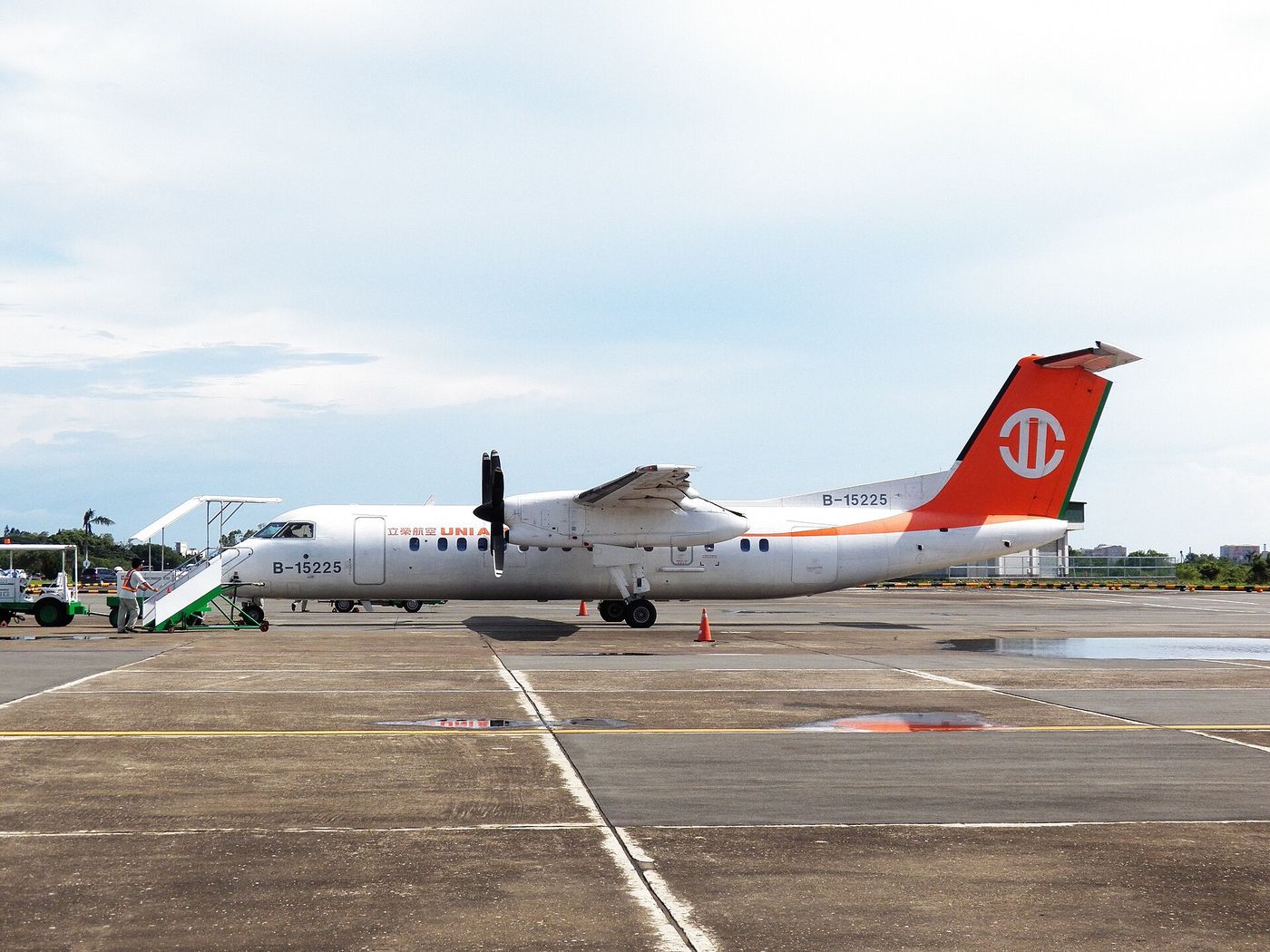
DUBLIN — At airports from Dublin to Budapest, rows of nearly new jets sit with their engines removed and their intakes wrapped in plastic, a sight that has become the defining image of the European airline industry’s autumn.
About 420 commercial aircraft were parked across Europe at the end of September for want of serviceable engines, up from 310 a year earlier, according to Aerodata Europe, a consultancy that tracks fleets. The wait for an overhaul of the most affected engine type has stretched to 250 to 300 days, roughly double the historical norm. Airlines have responded by cutting capacity for the winter season, which begins Oct. 25, by 3 to 4 percent compared with the schedules they filed in the spring.
“We planned 2026 as a growth year. We are flying it as a triage year,” said Siobhán Keaveney, chief executive of Hibernia Regional, a Dublin-based carrier with 38 aircraft, six of which are on the ground. “Every engine that comes back goes straight onto a plane. We have not had a spare since March.”
The shortage has several causes that have compounded one another. A manufacturing flaw in a widely used engine family, identified in 2023, requires inspections and in many cases the replacement of turbine disks, work that only a limited number of shops can do. Deliveries of new engines have slipped. And the overhaul shops themselves are short of licensed technicians, a profession in which more than a third of the European workforce is over 50.
The result is the capacity discipline that airlines could never agree on among themselves, imposed by a supply chain. Average fares for European flights in November and December are 8 percent higher than a year ago, Aerodata estimates, with the sharpest increases on leisure routes to Spain, Portugal and the Canary Islands. “Airlines spent 20 years competing seats into the ground,” said Mathieu Lebrun, an aviation analyst at a Paris brokerage. “An engine has done in 18 months what no chief executive could.”
Carriers are lobbying for relief. The European Regional Airline Council, an industry group, has asked Brussels to suspend the rule that requires airlines to use 80 percent of their airport slots or lose them, arguing that carriers are being penalized for groundings they did not cause. “You cannot fly a slot with an engine that is in a crate in Singapore,” said Anders Juhl, the group’s director. Regulators have granted a partial waiver for the winter but declined a blanket exemption.
Engine manufacturers say they have expanded overhaul capacity by about 20 percent this year, opened two new shops in Europe and expect the backlog to peak early in 2027. Airlines are skeptical, having heard similar forecasts last year.
For passengers the arithmetic is simple. Noreen Flaherty, a nurse from Galway, paid 310 euros for a one-way flight to Málaga in late November, about twice what she paid for the same trip last year. “I checked three airlines,” she said. “They were all the same price. I suppose that is what happens when none of them has a plane to spare.”
A version of this article appears in print on Oct. 12, 2026, Section B, Page 11 of the European edition with the headline: Europe’s Airlines Trim Winter Schedules as Grounded Jets Wait Months for Engine Repairs.