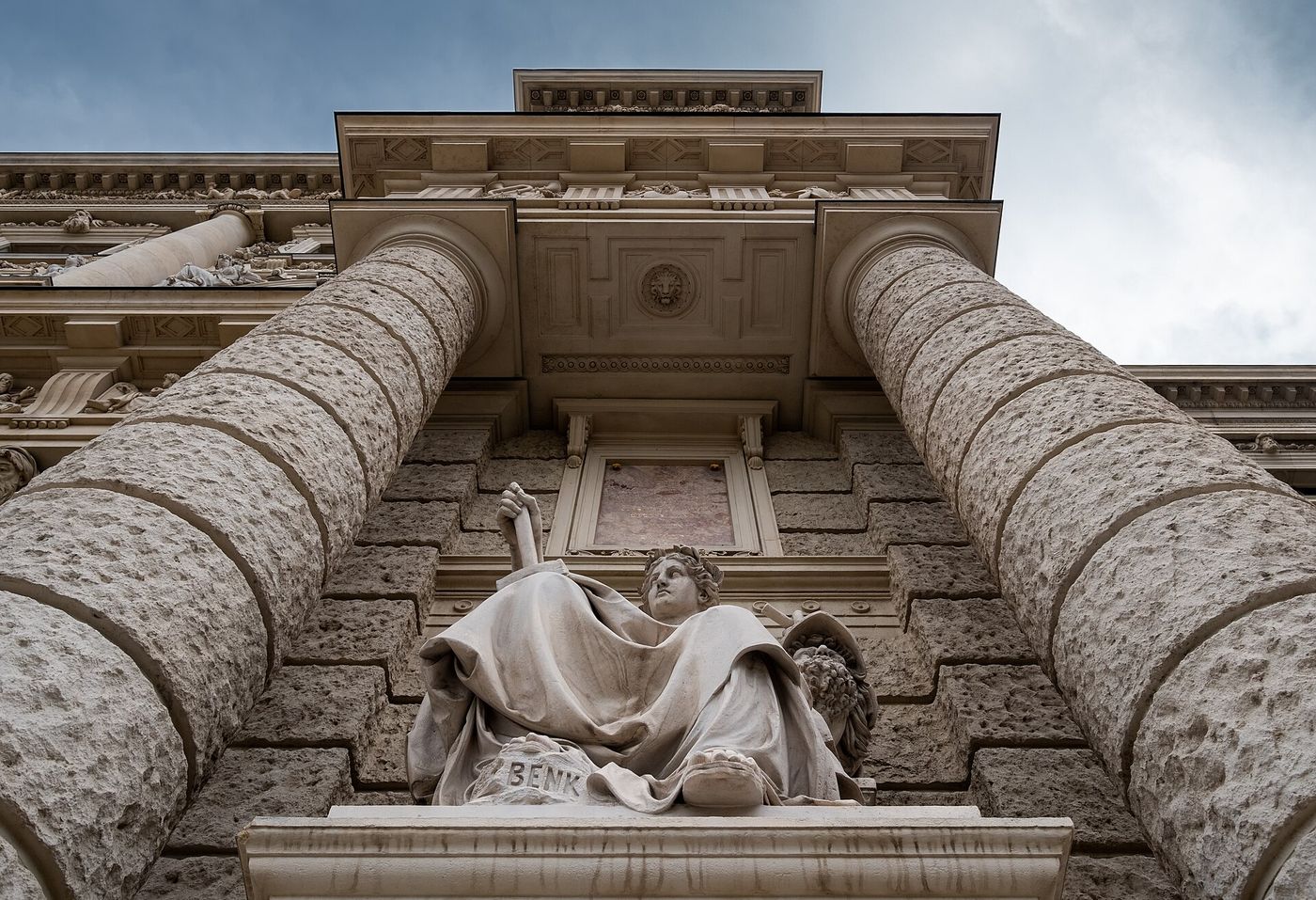
VIENNA — For most of the last century, the Egyptian galleries of the Kunsthistorisches Museum were a place you walked through on the way to the Bruegels. The rooms were dim, the cases were crowded, and the painted ceilings, commissioned in the 1880s to evoke a pharaoh’s tomb, made the whole suite feel like a basement that happened to be on the ground floor.
On Saturday, after a four-year closure and a renovation that cost 38 million euros, about $41 million, the galleries reopened with the blinds up. Skylights that had been painted over in the 1950s were uncovered, 1,100 objects were pared back to about 700, and the labels, for the first time, tell visitors not just what a thing is but how it came to be in Vienna.
“We wanted to stop pretending these objects arrived by magic,” said Dr. Regine Wallner, the museum’s director general, standing beside a 4,300-year-old limestone statue of a seated scribe that was bought by an Austrian consul in Cairo in 1878. “A museum that cannot say where its collection came from is asking visitors to trust it without earning that trust.”
The approach reflects a broader shift among European encyclopedic museums, which have come under pressure from Egypt, Greece, and several African governments to be transparent about colonial-era acquisitions. The Vienna collection, which has roots in a Habsburg cabinet of curiosities, was assembled largely through purchases and diplomatic gifts rather than excavation, and the museum says it has received no formal restitution claims. But Dr. Wallner said the museum had hired two provenance researchers and had already identified 14 objects whose documentation “requires further work.”
The reinstallation was designed by the Viennese studio Hofstätter Kessler, which built low, freestanding cases that allow visitors to walk around the sarcophagi rather than view them through glass set into the walls. A reconstructed Old Kingdom tomb chapel, long the collection’s centerpiece, has been moved to its own room with a single bench and no labels at all, a decision that Dr. Wallner said was “the most argued-about square meter in the building.”
Early reaction from Egyptologists was largely favorable. “They have finally let the objects breathe,” said Prof. Tamás Berczi of Eötvös Loránd University in Budapest, who visited on opening day. “The old display was a monument to 19th-century taxonomy. This one is a monument to looking.” He added that he regretted the removal of some smaller amulets to storage, “but you cannot have both density and clarity.”
The museum expects the galleries to draw about 450,000 visitors in their first year, roughly a third of the institution’s total attendance. Admission is included in the standard 21-euro ticket, and the city of Vienna has agreed to fund free entry for school groups through 2028.
On Saturday afternoon, Sofia Hartmann, a 34-year-old architect, sat on the bench in the tomb chapel for several minutes with her 6-year-old daughter. “She asked where the person is now,” Ms. Hartmann said. “I did not have an answer, and I think that is the point.”
A version of this article appears in print on Oct. 12, 2026, Section C, Page 3 of the European edition with the headline: After 4 Years in the Dark, Vienna’s Egyptian Galleries Reopen With a Lighter Touch.