COPENHAGEN — The first thing you notice, stepping out of the elevator on the 22nd floor, is the smell. It is faint and sweet, somewhere between a sauna and a lumberyard, and it comes from the spruce and pine that hold up the building.
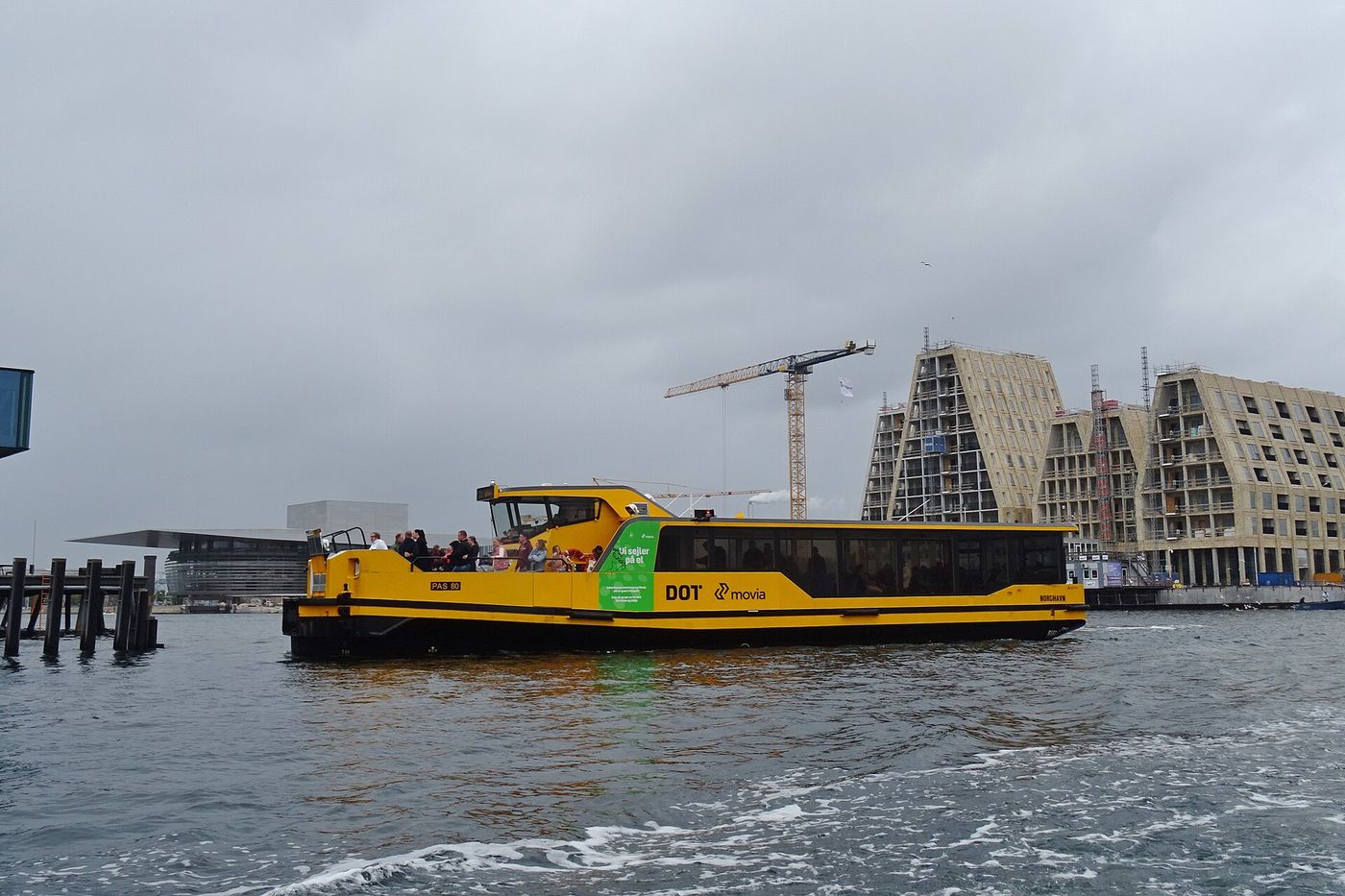
The tower, called Skovhus, or Forest House, opened to its first residents on Tuesday in Nordhavn, the former industrial harbor that Copenhagen has spent 15 years converting into a neighborhood. At 86 meters, or 282 feet, it is the tallest timber-framed building in Scandinavia and the third tallest in Europe, and it was built, its developers say, with about 40 percent of the embodied carbon of a comparable concrete tower.
“Everybody has built a 10-story wooden building now,” said Kristoffer Lund, a partner at the Copenhagen firm Lund Aagaard Arkitekter, which designed the project. “The question was never whether you can do it. The question was whether you can do it at a height where the economics of a city actually work, and whether anyone wants to live there once you have.”
The answer to the second question, so far, is yes. All 196 apartments were sold or leased before completion, at prices the developer, the pension fund PFA, says were 6 to 8 percent above the Nordhavn average. The building uses a hybrid structure: a concrete core for the elevators and stairs, with glue-laminated timber columns and cross-laminated timber floors. The wood came from certified forests in Sweden and was prefabricated in Jutland, allowing the structure to go up in 11 months, about a third faster than concrete.
Fire has been the central objection to tall timber, and Danish regulators required the developers to run a full-scale burn test on a mock-up apartment at a facility near Aarhus in 2024. The exposed timber charred to a depth of about 2 centimeters over 90 minutes, forming a layer that protected the load-bearing wood beneath. Sprinklers are installed throughout, and the building’s insurance premium, Mr. Lund said, is “higher than concrete, but not insultingly so.”
Architecture critics have been divided less on the engineering than on the aesthetics. The facade, clad in heat-treated ash that will weather to silver, has been praised as handsome and criticized as timid, a wooden building dressed up to look like every other Nordhavn block. Inside, the timber is left exposed in ceilings and columns, which residents seem to prefer.
“I grew up in a brick flat in Nørrebro and I have never lived anywhere this quiet,” said Mette Grønbech, 41, a nurse who moved into a two-bedroom apartment on the 14th floor with her partner. “Wood absorbs sound. And on a wet day the whole place smells like a cabin.”
Whether Skovhus is a prototype or a one-off will depend on the European Union’s construction product rules, which are being revised to account for embodied carbon. Mr. Lund said his firm had three timber projects above 60 meters in planning, in Hamburg, Gothenburg, and Rotterdam. “Five years ago the clients asked if wood was safe,” he said. “Now they ask if we can get the carbon number lower.”
A version of this article appears in print on Oct. 12, 2026, Section C, Page 12 of the European edition with the headline: Copenhagen Opens the Tallest Timber Building in Scandinavia, and It Smells Like a Forest.